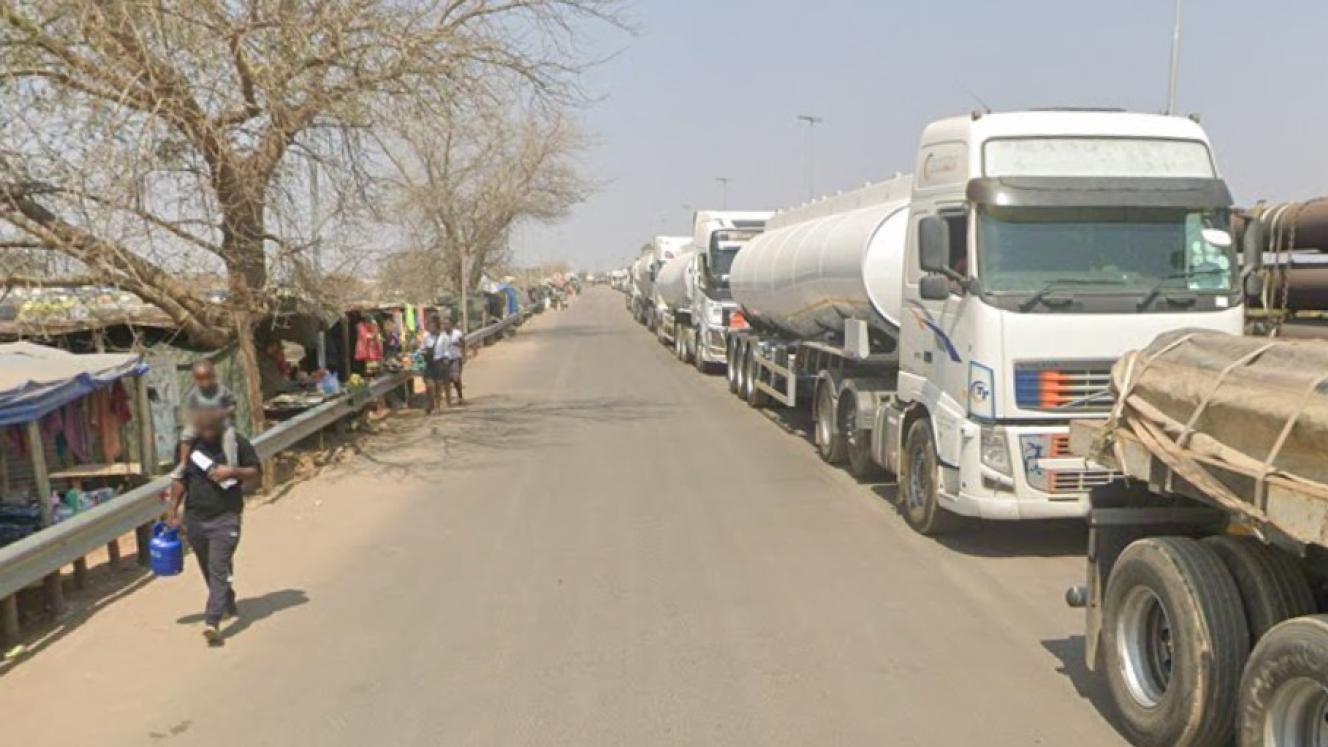
As the country’s economic hub continues its post-recession recovery, every cent counts – and when it comes to insurance shippers are looking for the cheapest option. “Insurance is really a negotiable contract,” says Associated Marine chief operating officer Mike Brews. “You can always add risks depending on the insurer’s appetite for the risk and the client’s willingness to pay the costs of that risk – but you can usually come to some sort of middle road agreement. “There tend to be fairly wide standards to which most insurance companies adhere, depending on the commodity and how it’s moved. At the end of the day it’s a negotiable contract and a lot depends on the proficiency of your insurance broker and the insurer’s risk inclination.” In Gauteng, for example, strike action and congestion at City Deep are two of the recent issues that have resulted in cargo delays. Prudent shippers will have opted for one of the products available in the market – trade disruption cover. “It caters for delayed delivery and allows for the increased cost of working due to various risks like strike action,” says Brews. It’s about finding the right mix for the client in terms of cost versus cover – and the big focus is always on risk mitigation. “We encourage the client to take a substantial excess to increase the focus on risk control measures. “In the movement of high value cell phones for example, the importer who understands the risk will put in the right measures. “It’s up to the client, his broker and the insurer to try to minimise the risks.” It’s also crucial for the client to understand where his liability begins and ends. When it comes to the ocean bill of lading, for example, there are certain liabilities from which the shipping line excludes itself. If the line has to cut and run it can offload at any port – and the cost of delivering the cargo to final destination is for the shipper’s account. “Shipping lines exclude liability where it’s out of their control,” says Brews. “The same applies to surcharges and demurrage where the container can’t be moved fast enough.” Only if the line is proved to be negligent can any claims be entertained. Clearly knowledge is power and if basic common sense prevails, a lot of risk can be mitigated. Packaging, for example, is key. “Poor packaging is an exclusion in terms of any policy,” says Brews. “There are international standards that must be adhered to.” Also, the longer a container remains standing, the more potential for theft – which is why a streamlined supply chain is in everyone’s best interests. Turning to outlook, Brews is cautiously optimistic about the year ahead. With the motor industry beginning to accelerate, there’s clear evidence of more dispensable income available, which will feed into a more positive outlook for the industry and the province.
‘Insurance must be a partnership solution’
Comments | 0
© Now Media. This content is protected by copyright and may not be adapted or republished. If you would like to discuss cooperation opportunities, please contact: editor@freightnews.co.za.