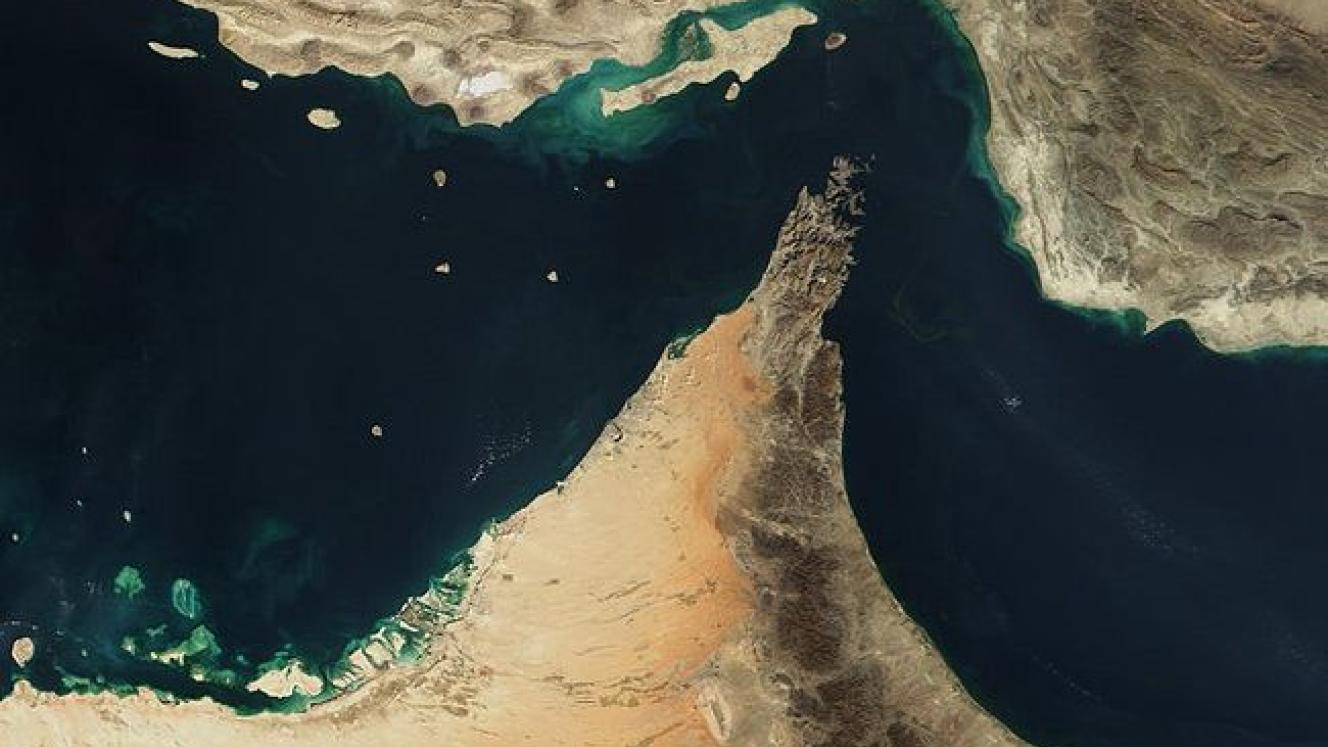
Traffic through the Strait of Hormuz has declined sharply following recent Iranian escalation and the introduction of ‘Project Freedom’, with weekly cargo vessel transits dropping from 78 in mid-April to just 40 by early May, according to Lloyd’s List Intelligence.
Speaking during a recent online briefing, Richard Meade, editor-in-chief of Lloyd’s List Intelligence, said the US blockade appeared to be biting, noting that traffic through the Strait of Hormuz had now “dropped to a trickle”.
“At the beginning of this conflict, transits were still being dominated by shadow fleet operators,” he said. “Now, traffic is obviously down to a trickle, but the few movements that there are, it’s about a 50-50 split between shadow fleet and compliant fleet tankers.”
Meade cautioned that some figures could still change as additional dark fleet movements emerged, but said recent escalation had “seen traceable tanker traffic grind to a near halt”.
He also pointed to growing Iranian control over transits through the waterway, saying Iran had established a new government agency to approve vessel movements and collect tolls from ships transiting the Strait of Hormuz.
“The Persian Gulf Strait Authority (PGSA) has positioned itself as the sole authority responsible for granting permission to ships transiting the strait. It has already introduced a new framework requiring ships to obtain transit authorisation and pay tolls before sailing.”
This follows Iran’s announcement on Monday (May 4) of a new maritime control area that appears to extend across the territorial waters of both Iran and the United Arab Emirates, including Fujairah, which Meade said could prove problematic in terms of any future peace deals.
“So certainly, in terms of Khor Fakkan and obviously Fujairah, these are primary gateway ports not only to the UAE, but also for connecting overland feeder services into the Persian Gulf.”
Cichen Shen, Asia-Pacific editor based in Hong Kong, said there were signs of growing diplomatic pressure to reopen the Strait of Hormuz, particularly from China, which had become “slightly more vocal and robust” in its engagement since the conflict began.
He said while there was some optimism within the Chinese shipping community that recent diplomatic talks could help reopen the waterway, he cautioned against expecting immediate change.
“One meeting between two foreign ministers won’t change the game overnight,” he said adding that it remained unclear whether some of the recent diplomatic activity was also aimed at positioning ahead of the high-level talks between Washington and Beijing next week.
He said it was also important to note that significant differences remained over what exactly constituted a reopening of the Strait of Hormuz.
“There seems to be a gap between how Iran understands the opening of the strait and how the rest of the world understands it.”
According to Shen, much of the international shipping community viewed reopening as a return to pre-conflict conditions and unrestricted passage, while Tehran appeared to view the waterway as remaining operational under Iran oversight and control.
“The Iranian authorities have said on various occasions that the strait is open,” he said. “But it is open under their watch, under their control and now effectively as a paid transit and the PGSA establishments justifies that stance.”
He said there was also uncertainty over whether there was any alignment between the US and Iran on what reopening of the strait means in practice.
Quoting the Iranian Foreign Minister Abbas Araghchi, who reportedly indicated there would be “no return to the old status quo”, he said it was clear that change was imminent.
“It appears that Iran are unwilling to relinquish what has become its singular most powerful weapon, revenue raiser and insurance policy.”
He said the issue was clearly more diplomatic talk than shipping talk, but developments around the Strait of Hormuz would have implications far beyond the Middle East.
“What happens in the Strait of Hormuz does not stay in the Strait of Hormuz,” he said indicating that the outcome of the conflict could have broader implications for freedom of navigation across global maritime choke points.