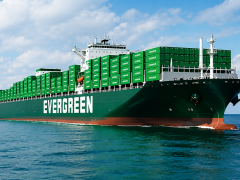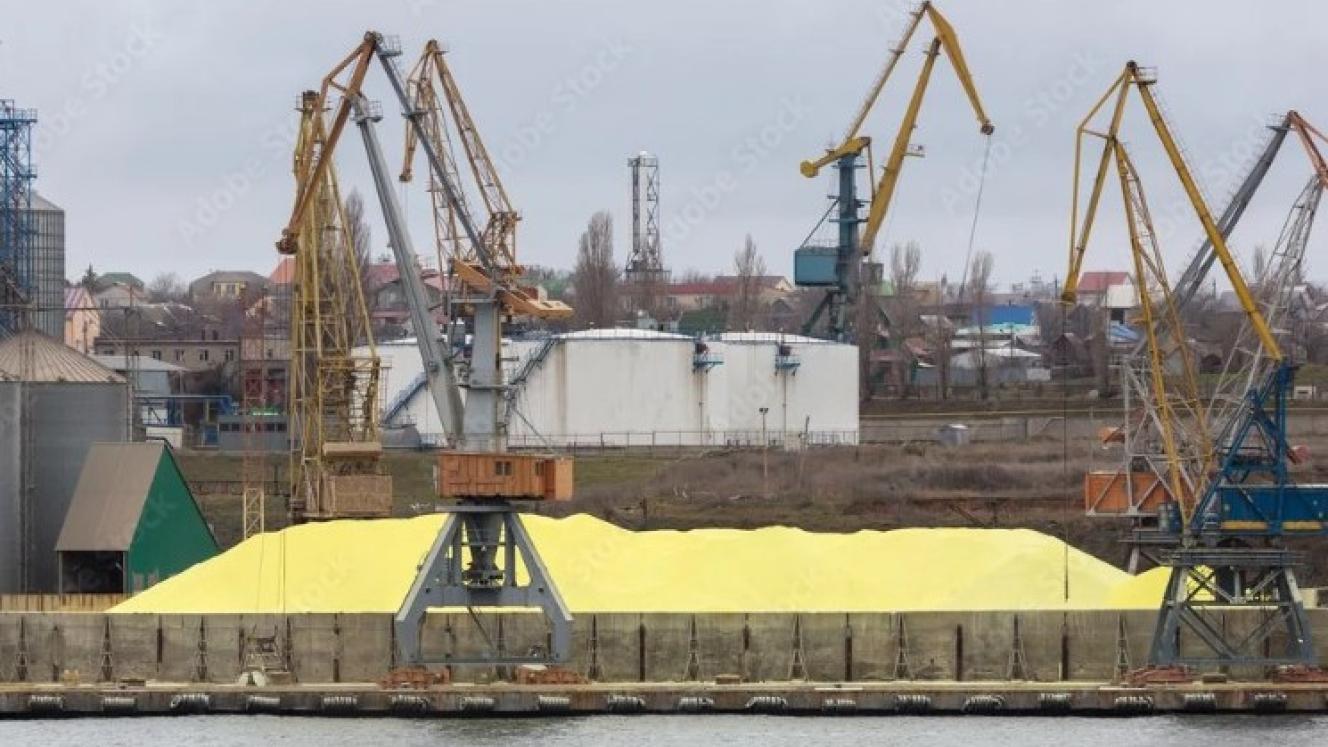
Sulphur supply to mines in the Copperbelt is in jeopardy as long as vessels carrying bulk industrial commodities are prevented from passing through the Strait of Hormuz.
Data by Shanghai Metals Market show that 50% of the global seaborne sulphur trade is shipped through the narrow waterway between the Persian Gulf and the Gulf of Oman, blocked off by Iran’s Islamic Revolutionary Guard Corps since the current conflict started on February 28.
The 20 million tonnes of sulphur exported from the Persian Gulf are all from ports that are operationally affected by the war – Ruwais (UAE), Jubail (Saudi), Ras Laffan (Qatar) and Bandar Imam Khomeini (Iran).
According to African Mining, about 90% of the Copperbelt’s elemental sulphur, used to produce sulphuric acid for ore leaching, comes from Persian Gulf producers.
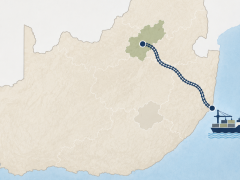
Most of the volume is shipped to Tanzania, from where the sulphur is trucked to mines in Zambia and the Democratic Republic of the Congo via the Dar es Salaam Corridor.
However, the sulphur trade to the Copperbelt has also fed into logistics opportunities for other ports and hinterland corridors in the region – The Beira Corridor from Mozambique, the North South Corridor from the Port of Durban, and the Walvis Bay-Ndola-Lubumbashi Corridor from Namibia.
Apart from sulphur and its potential impact on mining in sub-Saharan Africa’s copper mining concerns, the UN’s Conference on Trade and Development (Unctad) also warns against the supply chain shock involving fertiliser imports from the Persian Gulf.
Four least-developed countries that are particularly exposed are Sudan, Tanzania, Somalia and Mozambique, respectively dependent on 54%, 31%, 30% and 22% of their fertiliser imports from Persian Gulf producers.
Developing market importers also exposed are Sri Lanka (36%), Pakistan and Thailand on 27% each, and Kenya (26%).
According to Unctad’s data, the developed markets of Australia and New Zealand import 32% and 26% of their fertiliser from the Persian Gulf.
The Fertilizer Institute (TFI) in Arlington says that although the US “does not typically import ammonia direct from this region, the removal of this product from the global market puts pressure on total global supply, elevating prices”.
It also highlights the impact the closure of Hormuz has on urea, phosphates and natural gas.
“Nearly 50% of global urea exports originate from countries west of the Strait and transit through this critical waterway,” the TFI says.
The same goes for sulphur, it adds.
Saudi, the TFI points out, is one of the world’s top four exporters of phosphates, and the leading supplier of phosphates to the US.
Because China has placed restrictions on phosphate exports until August to rebalance its own supply-demand shortfalls, the US will have to look at imports from Russia and Morocco, the TFI says.
Liquefied natural gas (LNG) from producers like QatarEnergy, which has shut down after an Iranian missile strike, will have a feedstock impact on nitrogen fertilisers, as about 20% of the world’s LNG moves through Hormuz, TFI says.