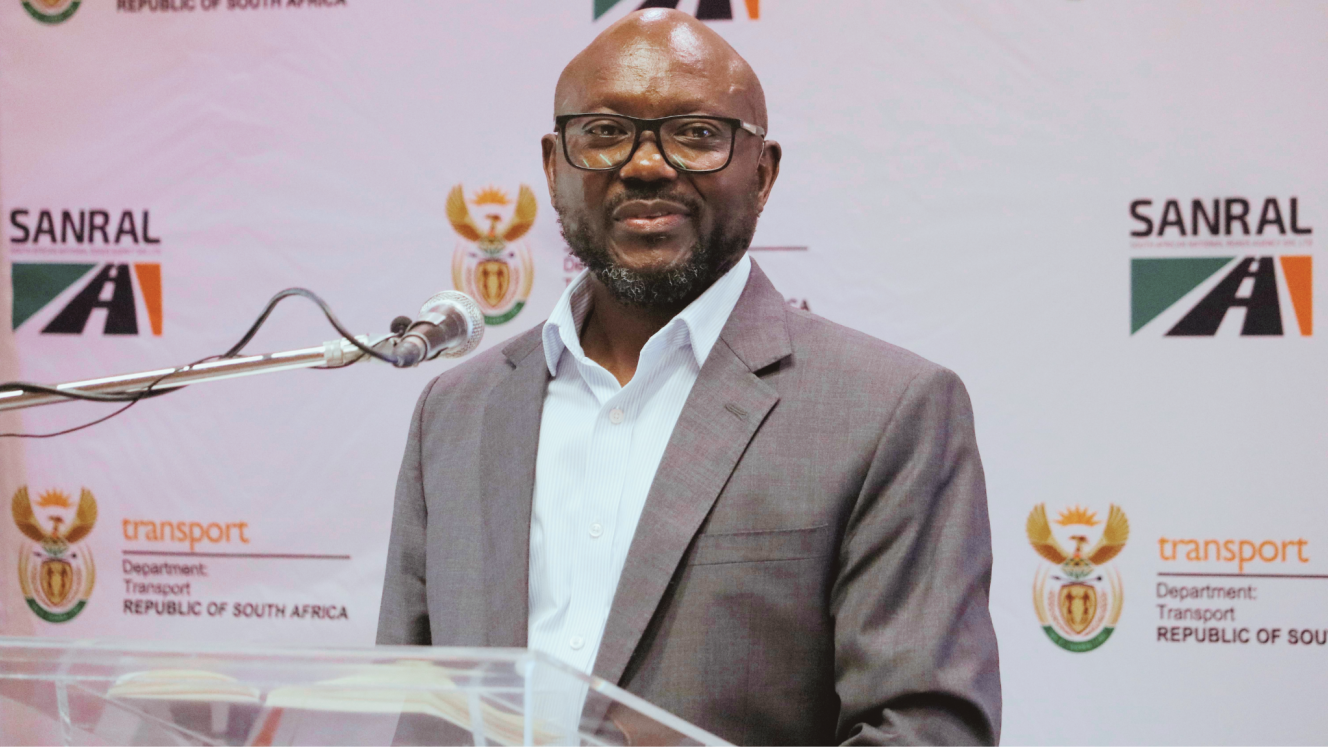
T he theft and hijacking of high-value goods in South Africa is only going to increase, says Andre Du Venage, CEO of Secure Logistics. “It is out of control. The police are not specialists in this field and there is no initiative to get to the bottom of it from an organised crime perspective,” he says. Currently, there are very limited HAWKS resources appointed to investigate these incidents on a national basis, which explains why arrests and prosecution rates remain so low. “If the police assembled specialised units investigating organised cargo crimes nationally today, with sufficient manpower and funding, it would take around two to three years for them to start making a difference,” he believes. Heidelberg on the N3 is still the hardest hit area, with consumer electronics at most risk. “Yet very little seems to be done by law enforcement from a crime prevention and investigations point of view.” Du Venage says South Africa’s hijacking problem is unique due to the level of violence involved. Hijackings are occurring every day – more often than police statistics indicate – and cargo escorts and security services people are frequently shot and killed during attacks. “We are competing with organised gangs that operate with military precision and who are well equipped with arms, ammunition and vehicles. These syndicates operate on cargo orders for specific goods to be stolen.” He says importers have to be smart and informed of risk mitigation techniques to make it difficult for them. Companies should also understand the risk environment they are operating in. Furthermore, importers must limit the amount of information they share. “These guys require detailed information to plan their attacks. They have to have a market to sell the goods to and have to be well connected to move goods across the borders.” Du Venage believes that many companies are resigned to the fact they can do little about the problem. “Security is often the last consideration for importers, but it should be the first,” he argues. It is beneficial to join or consult with the Transported Asset Protection Association and its operating standards for warehousing and cargo security in general, says Du Venage. “Don’t cut on security measures just because there haven’t been incidents for a period of time. If there are no losses, it is because the measures are working.
High-value cargo hijackings likely to increase – expert
Comments | 0
© Now Media. This content is protected by copyright and may not be adapted or republished. If you would like to discuss cooperation opportunities, please contact: editor@freightnews.co.za.