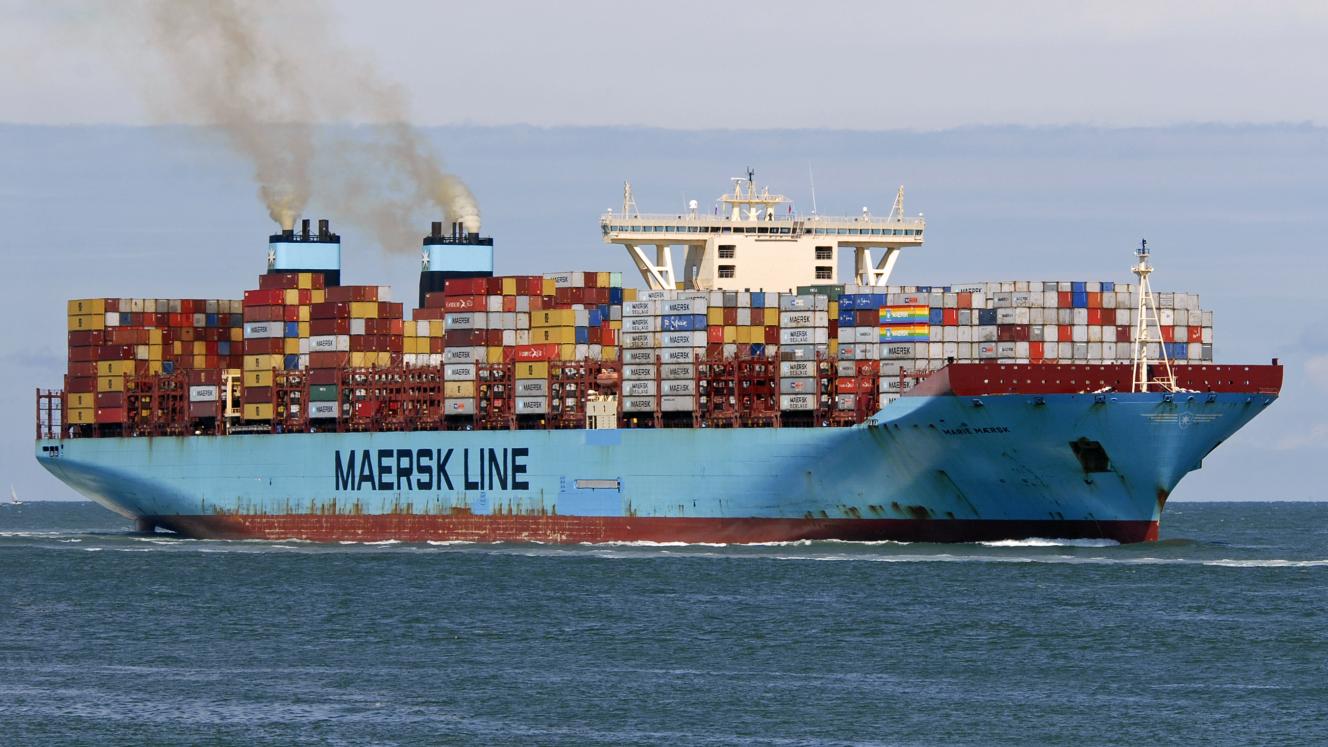
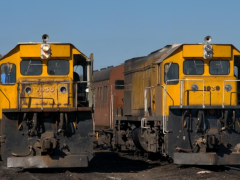
In the road versus rail debate, an ongoing argument is based on practical efficiency versus pure cost, according to Nick Fountain, financial director of Silic Logistics. “Where you load something on a truck it can go promptly door-to-door, but it’ll cost you more,” he told FTW. “By rail, it will only be transported station-tostation, but it’ll be much cheaper, even including the road movement to-or-from the stations at either end. “That practicality versus cost question is a basic summary of what anyone doing a comparative study of the two modes has to aim for when assessing a business model. Decision-makers need to look at their employment of resources, from which commercial decisions are made on the facts available.” A number of factors need to be considered, namely human capital; monetary capital; land/natural capital; equipment/ infrastructural capital; and management. “These factors of production need to be employed in the context of the road versus rail debate,” marketing director Angus Dustan added, “and creative thought process need to be applied to ask the questions: What does either offer or save in respect of the supply chain? Can time on rail be considered an alternative holding cost? Will better stock control allow for cost saving in utilisation of rail? With carbon efficiency and go-green initiatives forming a larger portion of corporate reporting, does the proven carbon saving on rail justify minimising the road transport utilisation?” And some logistics companies have already begun answering questions such as these in their long-term business models, according to operations director, Warren Sievwright. Silic Logistics, for example, has established a business model around maximising rail haulage in its short/ cross-haul system between Durban harbour and its Cato Ridge warehouse. This, the three partners told FTW, was based on it being far enough outside the city centre to avoid traffic congestion and socio-economic costs – such as those seen on Bayhead Road, the only access route to the Durban container terminal (DCT) – but close enough to avoid any inherent inefficiencies of rail. On receipt, the company then transfers the containers onto road hauliers for the door-to-door delivery leg. “This modal swap was decided on,” said Sievwright, “because the timeefficiency of road transport is too important to our clients.”
Four questions to consider in modal debate
Comments | 0
© Now Media. This content is protected by copyright and may not be adapted or republished. If you would like to discuss cooperation opportunities, please contact: editor@freightnews.co.za.