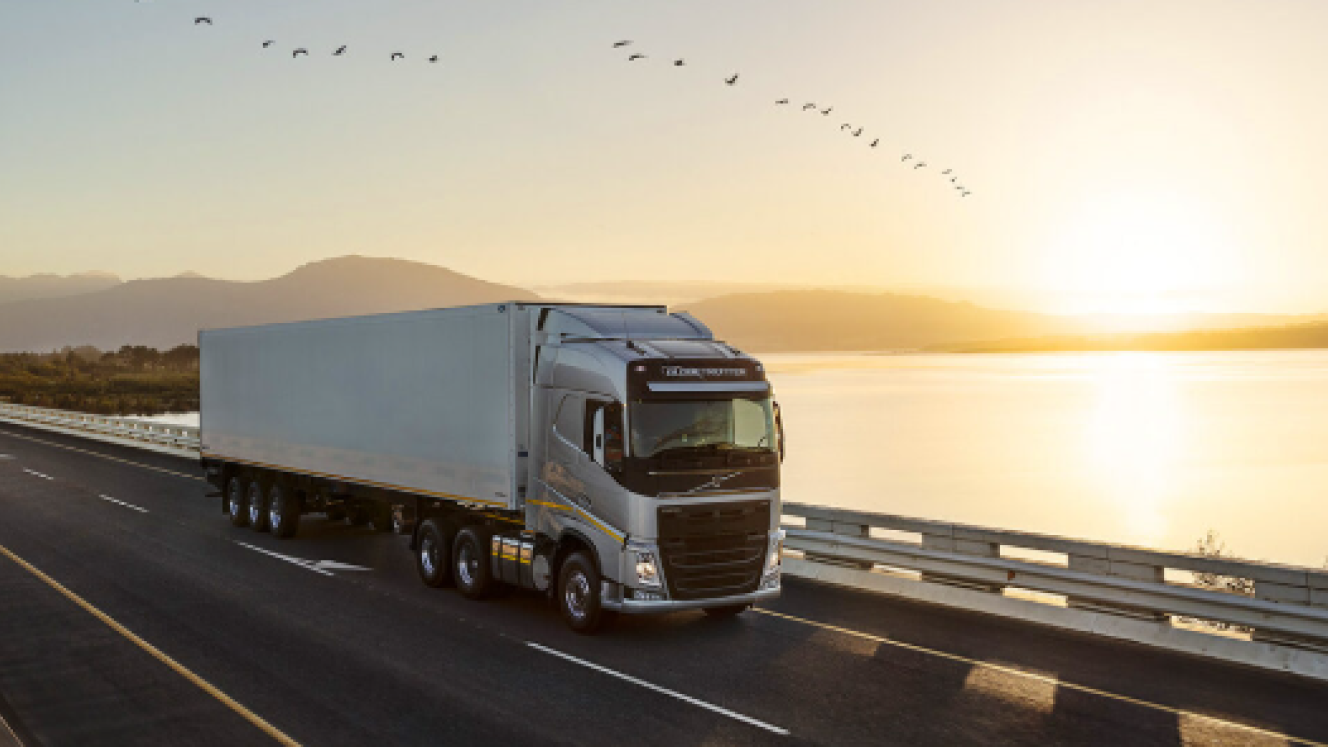
African freight forwarders can help exporters retain and grow their market share by prioritising sustainable services and routes to reduce emissions and unlock cost savings. Reducing the carbon footprint of the logistics chain has become essential for exporters to Europe, with the European Union’s Carbon Border Adjustment Mechanism (CBAM) having taken effect on January 1. “Economic operators who have not yet submitted their CBAM authorisation applications are strongly encouraged to do so as soon as possible via the CBAM Registry,” states the EU Directorate-General for taxation and customs union. “Early submission ensures uninterrupted compliance, access to automated validation, and full integration with customs clearance processes,” it adds. To meet the requirements, the transport sector has to invest in greener technologies, such as electric and hydrogen- powered fleets. Forwarders have to identify and monitor the most sustainable routes and transport modes for exports. Without a rail revival, they are going to struggle. According to an information sheet prepared by GIZ for the South African G20 year, in 2022, the transport sector accounted for 12% of the country’s total greenhouse gas (GHG) emissions from fuel combustion, an increase of 35.7% since 2000. If current trends continue, transport emissions could increase from 55 million tons of CO2 today to 126m tons by 2050. Approximately 90% of the emissions will come from road transport. In comparison: the German transport sector emitted 146m tons of CO2 in 2024. South Africa’s 2018-2050 green transport strategy has yet to gain significant traction, particularly with reference to freight transport. Listed as a “win” is the instruction to Transnet to allow private sector rail operators access to the national network. In its 2025 annual performance plan, the Department of Transport said the green transport strategy plan had been revised and submitted to the minister. The process for the establishment of the Transport Economic Regulator was in progress, although the department had encountered challenges in amending the Act. This process will continue into the future, according to the strategy document. While the privatisation and improvement of container rail transport is on a slow train to somewhere, there are other ways to reduce the carbon footprint of goods transport, along with costs. Practices such as route optimisation and fleet upgrades yield reductions of 10-30% in operational expenses, according to research. In one study, route optimisation and load consolidation cut fuel costs by minimising empty runs and distances, with AI tools enabling savings of up to 20% in southern Africa. Another option is biofuels. According to a 2024 IEA Bioenergy report, biofuels can reduce emissions significantly. ER
Focus on sustainability essential
Comments | 0
© Now Media. This content is protected by copyright and may not be adapted or republished. If you would like to discuss cooperation opportunities, please contact: editor@freightnews.co.za.