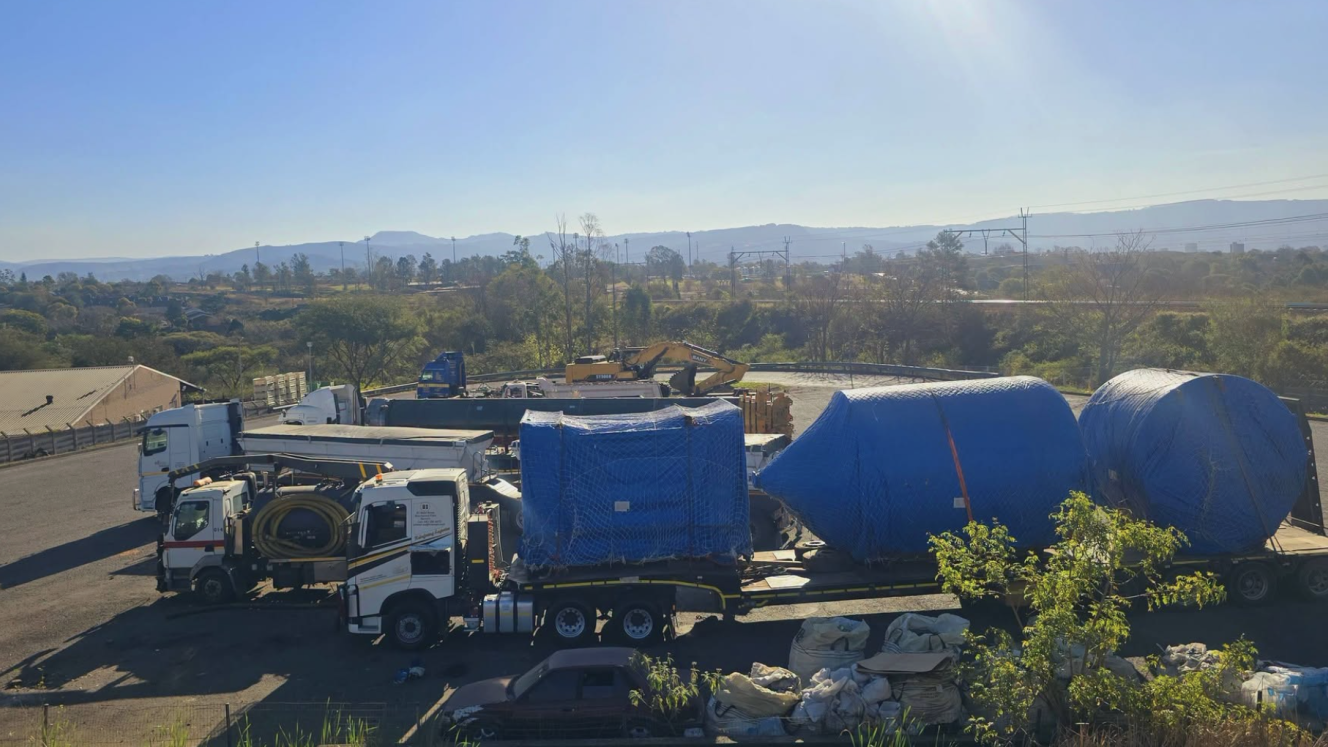
The chance of a serious incident involving passenger aircraft is probably more likely to emanate from dangerous goods than from a terrorist threat. This was the warning from David Alexander, general manager of Professional Aviation Services, which specialises in risk services, cargo security and consultation on the safe movement of dangerous goods by air. “We are very aware that there are a large number of dangerous goods items being shipped by air innocently by consignors who have no idea of the threat posed to aircraft by everyday items such as paint, cleaning fluids and so on,” Alexander said. “It is important to know that not only can there be vast temperature changes in the holds of aircraft, but certain holds on certain aircraft are not pressurised,” he said. “The combination of two materials in separate packages caused by severe turbulence is also a threat if these materials are not packed and declared in accordance with the International Air Transport Association’s Dangerous Goods Regulations,” he said. Several incidents involving dangerous goods have caused aeroplane crashes in recent years – and a major culprit has been lithium battery shipments that have caught alight. A joint report by the US Federal Aviation Administration and Transport Canada predicted there would be an average of six aircraft accidents between 2013 and 2021, with four of them likely to be caused by battery fires. Alexander said levels of awareness of the rules of moving dangerous goods among freight forwarding organisations and air carriers, especially charter carriers, in South Africa was not at an acceptable level. “What’s even more regrettable is that the knowledge of consignors domestically and internationally is dismal.” he said. “The major risks posed by dangerous goods transported by land, sea and air are noncompliance with the specific Dangerous Goods Regulations applicable to each mode of transport,” he said. However, he added that local awareness of dangerous goods regulations was probably far ahead of other African countries and on a par with most countries, except the USA, Australia and some European countries. “Safe movement and tracking is mainly the remit of the freight forwarder. We consult with our clients – both shippers/consignors and forwarders – in terms of compliance with the International Civil Aviation Organisation (Icao) Technical Standards and the Iata Dangerous Goods Regulations for identification, classification, packing, marking, labelling and documentation,” Alexander said. INSERT Top dangerous goods transported in SA 1. Explosives – transported mainly by road. 2. Gases– transported in bulk and breakbulk by road and rail. 3. Flammable liquids – moved by road, rail and pipeline. 4. Combustible and dangerous solids. 5. Toxic and poisonous substances. Source: Professional Aviation Services
Everyday items pose major airfreight risk
Comments | 0
© Now Media. This content is protected by copyright and may not be adapted or republished. If you would like to discuss cooperation opportunities, please contact: editor@freightnews.co.za.