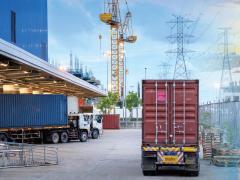
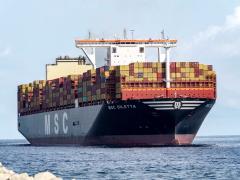
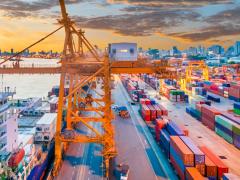
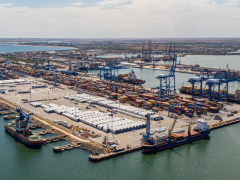
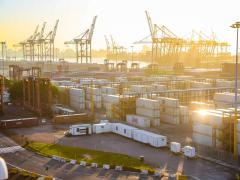
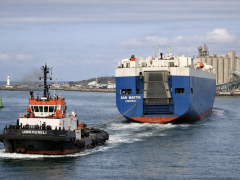
LOGISTICS OPERATORS are increasingly shifting focus from traditional northern European markets to Eastern Europe and the Mediterranean as cost and infrastructure issues dictate a new marketing dynamic. A recent survey undertaken by US-based logistics major UPS Supply Chain Logistics revealed that container throughput to Asia out of the developing countries of Eastern European and the Mediterranean was expected to grow faster than north west continental Europe over the next 2-3 years. “UPS has been consistently growing its Eastern Europe presence over the past few years and making sure that we have our own operations in those areas,” UPS operations director Thore Saether told FTW, “particularly now that they are part of the European Union. “A lot of manufacturing is relocating to Eastern Europe because of lower costs, raw materials and transport infrastructure that has been improved over recent years.” While North West Continent ports and other regional infrastructure upgrade plans are in place, these are medium- to long-term solutions, so trade will likely remain more focused out of Eastern Europe for some time, says Saether. The survey reveals some interesting growth statistics which underscore the implications of northern Europe’s current situation. Over the next decade world gross domestic product is expected to grow at 3.4%, world trade at 7% but world container traffic at 9%. The bottom line is that container trade volumes are expected to double by 2010 creating a container availability shortfall in Europe. The knock-on implications for already over-subscribed infrastructure are self-evident. The container imbalance between Europe and Asia will continue to change and with berthing capacity an issue, there will be pressure on the yard and gate – a situation very similar to Durban. The result, says Saether, could be a modal shift on the inland leg using rail to get containers away from traditional European ports to those in Eastern Europe. As always, forward-thinking operators who anticipate these developments will be well placed to take advantage of the trade shift. The rest will clearly need to play a catchup game.
Eastern Europe challenges traditional markets
Comments | 0
© Now Media. This content is protected by copyright and may not be adapted or republished. If you would like to discuss cooperation opportunities, please contact: editor@freightnews.co.za.