Australian dockworkers are demanding a 28-hour working week without a reduction in pay if DP World proceeds with plans to introduce automation and artificial intelligence at its container terminals.
The Maritime Union of Australia (MUA) said workers should share in the productivity benefits generated by new technology rather than bear the cost through job losses.
“If DP World wants AI and automation, then they must pay the social dividend. The new technology doesn’t have to cost our members their jobs or put their livelihoods at risk just so a terminal operator can boost profits,” the union said.
Dockworkers currently work between 32 and 35 hours a week, depending on the terminal, and negotiations are taking place on a terminal-by-terminal basis, the Australian Financial Review reported.
Jobs at risk
DP World’s automation programme could threaten up to 1 000 jobs, representing more than 60% of its Australian dock and maintenance workforce, according to research commissioned by the MUA.
The research, conducted by the Centre for International Corporate Tax Accountability and Research (CICTAR), examined the potential impact of DP World’s automation plans on jobs, productivity and Australia’s supply chains.
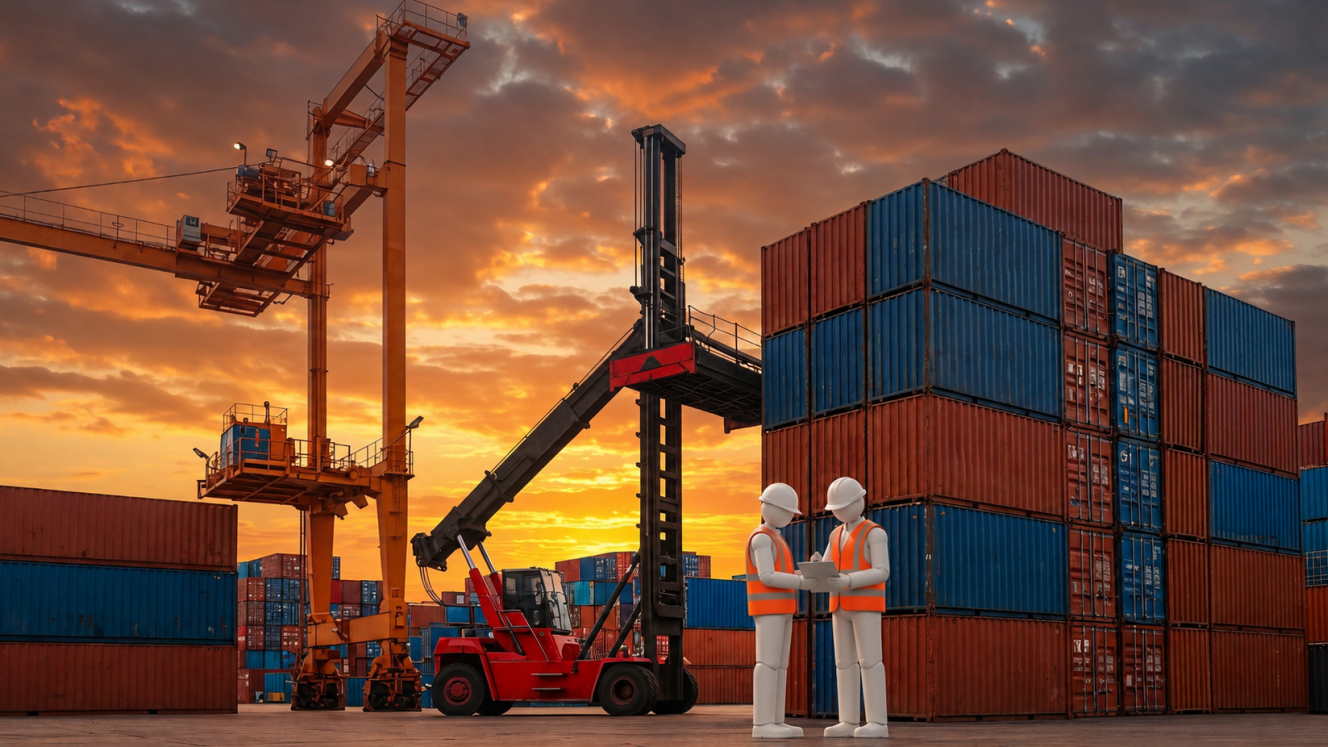
The proposed automation includes driverless container vehicles and remotely controlled cranes, the MUA said. The union argues that the introduction of automation could eliminate jobs without delivering the productivity improvements claimed by terminal operators.
DP World rejected the report's assessment of the potential impact of automation on jobs, arguing that its methodology was based on assumptions that did not reflect the company's automation plans.
The company employs about 1 800 workers in Australia and operates container terminals in Sydney, Melbourne, Brisbane and Fremantle, the Australian Financial Review reported.
DP World notified the union in October 2024 of its intention to introduce automation after the completion of enterprise bargaining negotiations, according to the report.
Discussions are continuing on a terminal-by-terminal basis, with Brisbane currently the only site where implementation has been scheduled. The roll-out is expected to begin in February 2027, Australian Financial Review says.
Automation dispute follows earlier industrial action
The negotiations come just over two years after the MUA and DP World reached an agreement that ended months of industrial action over pay and working conditions, The Times reported.
The dispute follows similar tensions over port automation internationally. Dockworkers on the US East and Gulf coasts sought restrictions on automation during contract negotiations in 2024 and 2025 and ultimately secured protections against the introduction of fully automated equipment, according to The Times.