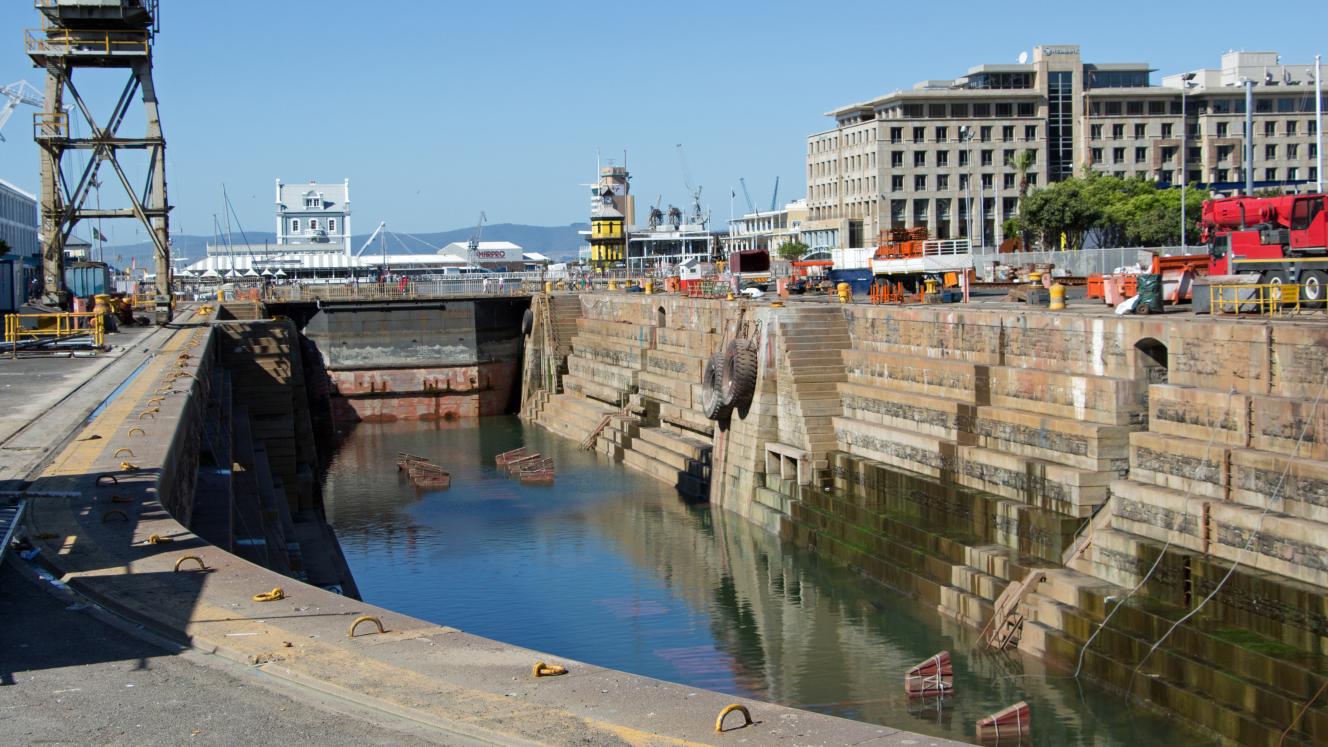
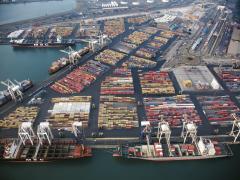
Save for a significant turnaround, the global maritime industry is in for a difficult time, and since South Africa operates within that global environment, we can’t escape the fall-out. Chairman of the SA Association of Ship Operators and Agents and CEO of Ocean Africa Container Line, Andrew Thomas, painted a fairly bleak current picture of the industry, but pointed to significant opportunities for longer-term growth in the sector. “After a bull run stretching back some six years, the Baltic Dry Index has fallen by 93% to its lowest level since 2002,” Thomas told delegates at last week’s IDC forum. “Cape size vessels, which peaked at more than US$25 000 a day, have been fixed recently for less than US$10 000 a day while containership charter rates are also falling. Some sectors are off 40% since the beginning of the year,” he said. In addition, the major East/ West trades are under significant pressure. “Rates for 20ft containers between Asia and Europe have fallen from around US$1400 to US$350 over the past 12 months and established carriers are reducing capacity, with new entrants having withdrawn completely.” But it’s not all doom and gloom. While the challenges can’t be ignored, there are opportunities. “Capacity in our regional landside systems remains limited, congestion and delays are common, and internal logistics costs are higher than average – but there are several projects that should be considered, among them bunker supply,” says Thomas. “Around 1000 vessels called at the Port of Durban in 2007 just to bunker. And this figure was up from 400 in 2004. “Due to shutdowns we are unable to supply bunkers for around 11% of the time. “In addition SA is only able to supply 180cst bunkers while 70-80% of the world market is for 380cst. The price differential between the two grades is around US$100 a tonne. “Can government policy and willing investors create the environment for the supply of 380cst in SA ports?” is the question he asks. Thomas also sees opportunities in the supply of skills. “The rapid expansion of the world’s commercial fleet has led to a shortage of vessel crew of all ranks.” He suggests that the formation of strategic alliances with vessel owners and their crewing companies combined with world class training facilities could breed a new generation of SA seafarers. Another unexploited niche is in the dry dock arena. “There is a shortage of dry dock capacity globally and particularly for the larger size vessels. “Is there not a market for a purpose-built dry dock facility in South Africa?” There’s no escaping the current financial meltdown, but the industry should begin preparing now for the opportunities that will present once the world economy begins to rebound.
Difficult for now – but opportunities are there for the taking – Saasoa
Comments | 0