After several years of uncertainty, Africa’s project cargo sector is beginning to show signs of recovery as previously delayed projects move into execution phase and new awards enter the market. While activity remains uneven across the continent, demand is gradually improving, underpinned by investment in renewable energy, mining, power generation and infrastructure. According to Kyle De Almeida, national project manager at Fr. Meyer’s Sohn South Africa (FMS), these sectors are generating sustained demand for the movement of oversized and specialised cargo. De Almeida said the global energy transition remained one of the biggest structural drivers of project cargo growth as countries invested in cleaner energy and electrification. Growing demand for critical minerals such as lithium, copper, nickel, cobalt and rare earth minerals is driving investment in new mining operations and the supporting infrastructure required to develop them. “The continued volatility in global oil markets, particularly around price and supply stability, may accelerate the transition towards renewable energy, with greater emphasis on domestically produced sources such as wind and solar to enhance energy security and reduce reliance on external energy supplies,” he said. He added that global shipping lines were also investing in dedicated project cargo and specialised equipment divisions to meet growing demand for complex project logistics services. Infrastructure investment gathering pace While these trends are evident globally, De Almeida said South Africa was experiencing similar growth, with renewable energy, mining and infrastructure continuing to underpin demand for project cargo services. “In the renewable energy sector, continued acceleration of renewable energy deployment is driving demand for the transport of wind turbine components, solar infrastructure and photovoltaic equipment. These projects require specialised heavy-lift capability, abnormal load transport and detailed route planning.” While mining continues to generate sustained project cargo demand, De Almeida believes South Africa’s logistics reforms could become the next major catalyst for project cargo growth. “South Africa is undergoing a major logistics reset supported by a R102 billion transport budget allocation, with a strong focus on rail recovery and private sector participation,” he told Freight News. “This shift will have a powerful impact on the mining sector and containerised cargo flows, as it directly influences export capacity, corridor efficiency and port performance. Opportunities for project cargo will be generated through rail network upgrades and expanded port infrastructure development, as these large-scale infrastructure programmes require the movement of heavy, oversized and specialised equipment.” With major rail, port and corridor projects moving from planning to implementation, De Almeida believes the outlook for project cargo is becoming increasingly positive. Several strategic logistics projects are already gathering momentum, including the partnership between Transnet and International Container Terminal Services Inc (ICTSI) at Durban’s Pier 2, upgrades to the Gauteng-eThekwini freight corridor, the development of the Ngqura manganese export corridor and plans to expand Richards Bay’s dry bulk handling capacity. Together, these projects are expected to improve freight efficiency while creating significant demand for the transport of heavy equipment during construction and implementation. Cost pressures persist Despite the improving outlook, significant challenges continue to constrain growth across the sector. According to De Almeida, rising fuel prices and increasing security surcharges are placing additional pressure on project logistics, driving up the overall cost of moving oversized and specialised cargo. As a result, investors are becoming more cautious, particularly when assessing projects in high-risk and remote regions across Africa. Equipment availability is another growing concern. “High-demand corridors offering transporters better commercial returns continue to attract relatively consistent transport capacity, while other routes are experiencing tighter vehicle availability and a reduced pool of reliable logistics providers,” he said. This imbalance is creating additional planning and scheduling challenges for project cargo movements across the region, particularly for projects requiring specialised equipment and carefully coordinated logistics. While challenges remain, De Almeida believes the market is well positioned for further improvement. “I expect a number of previously on-hold projects to commence if current market conditions stabilise over the next one to two months,” he said. LV
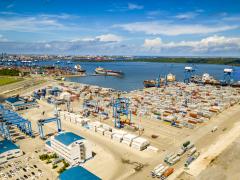
Demand for heavy-lift capabiity
Comments | 0
© Now Media. This content is protected by copyright and may not be adapted or republished. If you would like to discuss cooperation opportunities, please contact: editor@freightnews.co.za.