Belgium, Germany, the Kingdom of the Netherlands and Sweden have deposited their instruments of ratification to the 2010 Hazardous and Noxious Substances (HNS) Convention.
The latest HNS accession at the 113th session of the International Maritime Organisation’s (IMO) Legal Committee in London earlier this week, brings the total contracting states to 12.
It is understood that the latest ratification development means the HNS Protocol now meets the numeric threshold for it to be entered into force, reportedly by the end of this year.
Also known as the International Convention on Liability and Compensation for Damage in Connection with the Carriage of Hazardous and Noxious Substances by Sea, the HNS Convention will regulate and legalise hazardous and noxious sea freight.
Included are oil, chemicals and the risk of pollution.
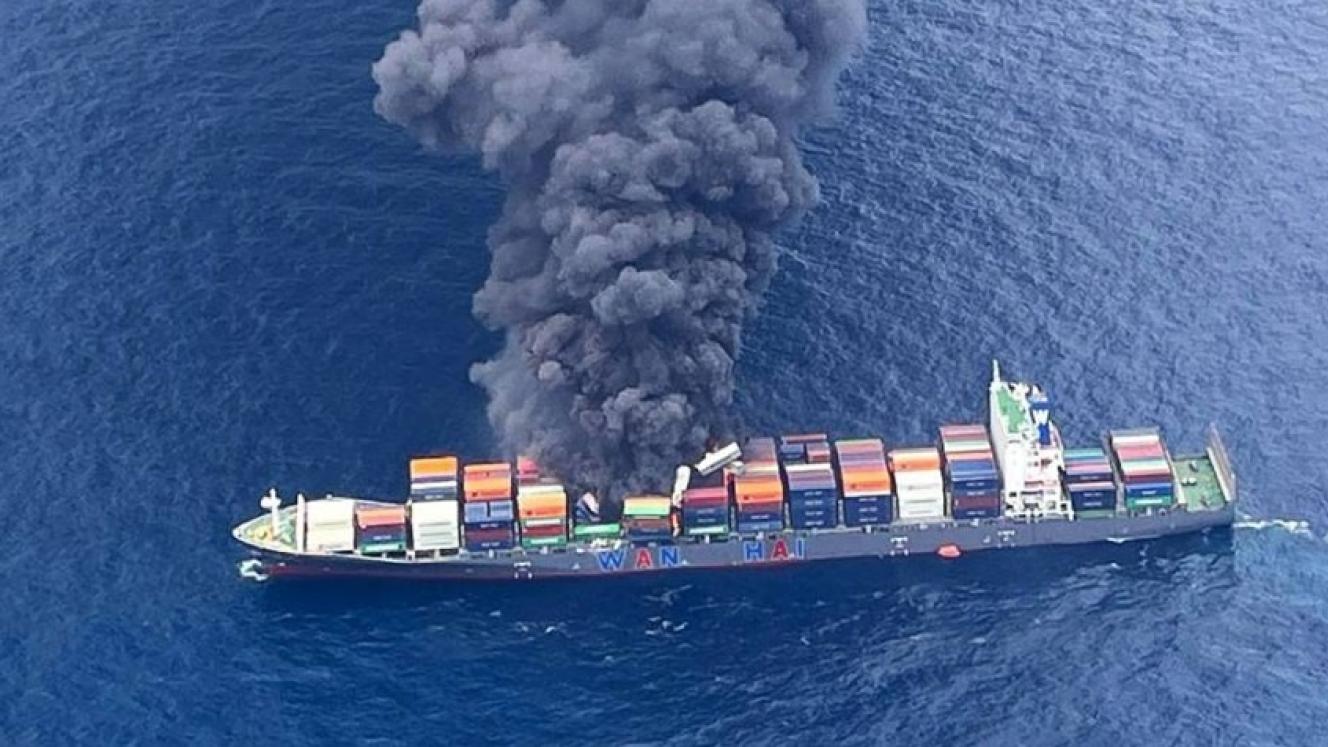
On-board blazes, related fires at sea, explosions, fatalities and or loss or damage to property will form part of the HNS Convention.
The Convention, in short, underscores the ‘polluter pays’ principle.
What it means is that any line and cargo owner of HNS-related loads at sea can be held responsible for compensation in the event of a hazardous and noxious cargo incident resulting in loss of life and damage to or destruction of property.
The compensation ceiling of the HNS Convention will be US$360 million, the IMO has confirmed.
Multiple maritime media sources have reported that about 65 000 vessels across the globe will be subjected to complying with insurance-related requirements under the HNS Convention.