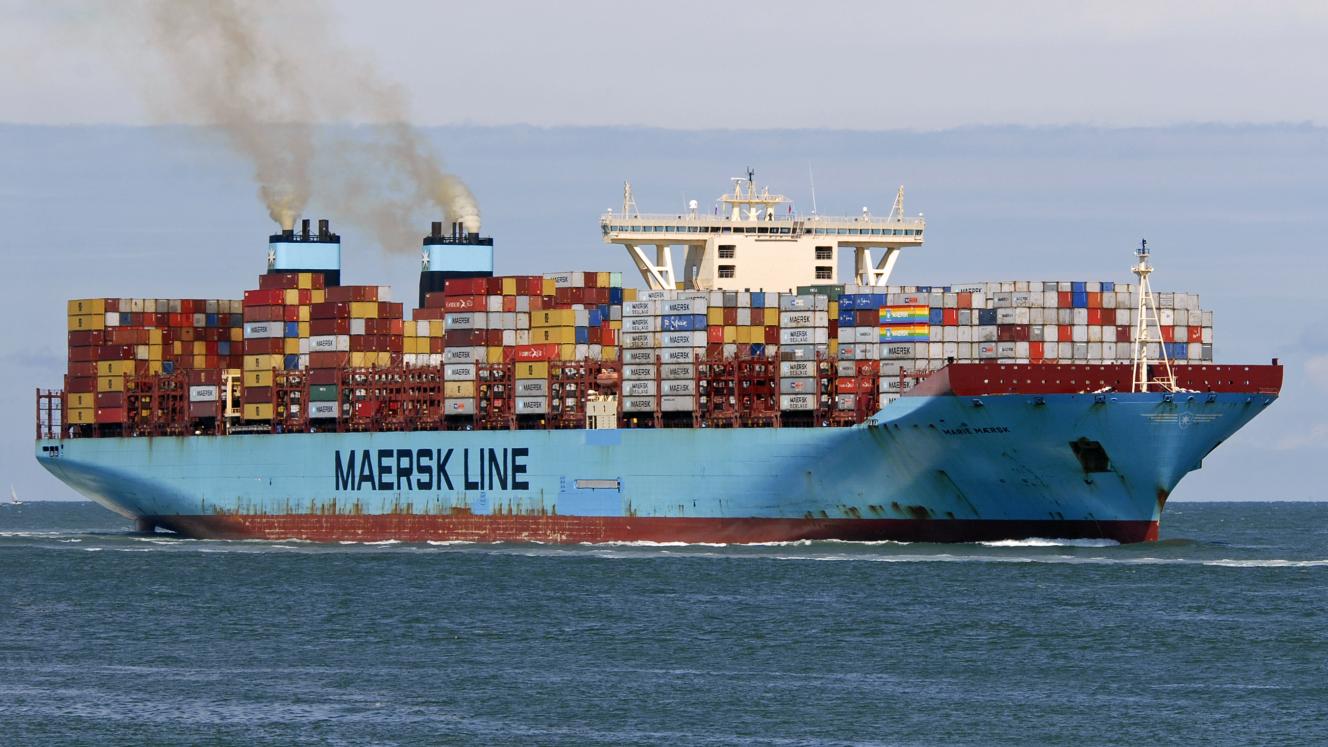
As part of its continuous quest to improve productivity and efficiency at Cape Town Container Terminal, Transnet Port Terminals has implemented Dual Cycle operations – the use of ship-to-shore cranes to simultaneously load and discharge cargo from a vessel. Its one of a range of initiatives introduced recently including the August handover of 864 new reefer plug points in reefer block one, the ongoing training programme for crane and RTG operators, and increasing in July the number of gross crane moves per hour (GCH) to 24, two short of the target. Hector Danisa, TPT’s assistant terminal executive for Western Cape Terminals, explains this internationally recognised methodology makes for faster operations and savings, curtailing empty trips for both haulers and cranes and thereby benefiting vessel turnaround times at the end of the day. The fruits of a combined TPT/Maersk Line pilot launched in October, the terminal has thus far worked three vessels on the Dual Cycle operation, the Maersk Dryden achieving 34 GCH – a 41% improvement on the terminal’s average of 24 GCH – and ship working hour (SWH) rates of 82 moves. (SWH is a key performance indicator for shipping lines to measure productivity). Danisa tells FTW the challenges associated with Dual Cycle include identifying suitable vessels with an even split of exports and imports and ensuring they are planned properly to facilitate this type of operation. In addition, resourcing the terminal appropriately for quicker productivity and smarter planning of the stack could become a worthwhile pursuit. Dakalo Mboyi, operations general manager for Maersk Line, says while some glitches are expected in the initial period, Dual Cycle can only result in benefits for all, adding the terminal’s productivity improvement along with other initiatives has been “great”.
CT port speeds up operations with Dual Cycle system
Comments | 0
© Now Media. This content is protected by copyright and may not be adapted or republished. If you would like to discuss cooperation opportunities, please contact: editor@freightnews.co.za.