South Africa's headline consumer inflation eased slightly to 3.5% year-on-year in January 2026 from 3.6% in December, driven primarily by lower fuel prices, although the official reported figure from Stats SA came in above market expectations of 3.4%.
The decline was supported by a sharp 3.4% month-on-month drop in average fuel prices, which were 3.7% lower than in January 2025.
This pulled transport costs into contraction territory, with fuel inflation turning negative at -3.7% year-on-year after four months of increases. Private transport operation costs also declined 1% year-on-year, while new vehicle inflation eased to 0.7%.
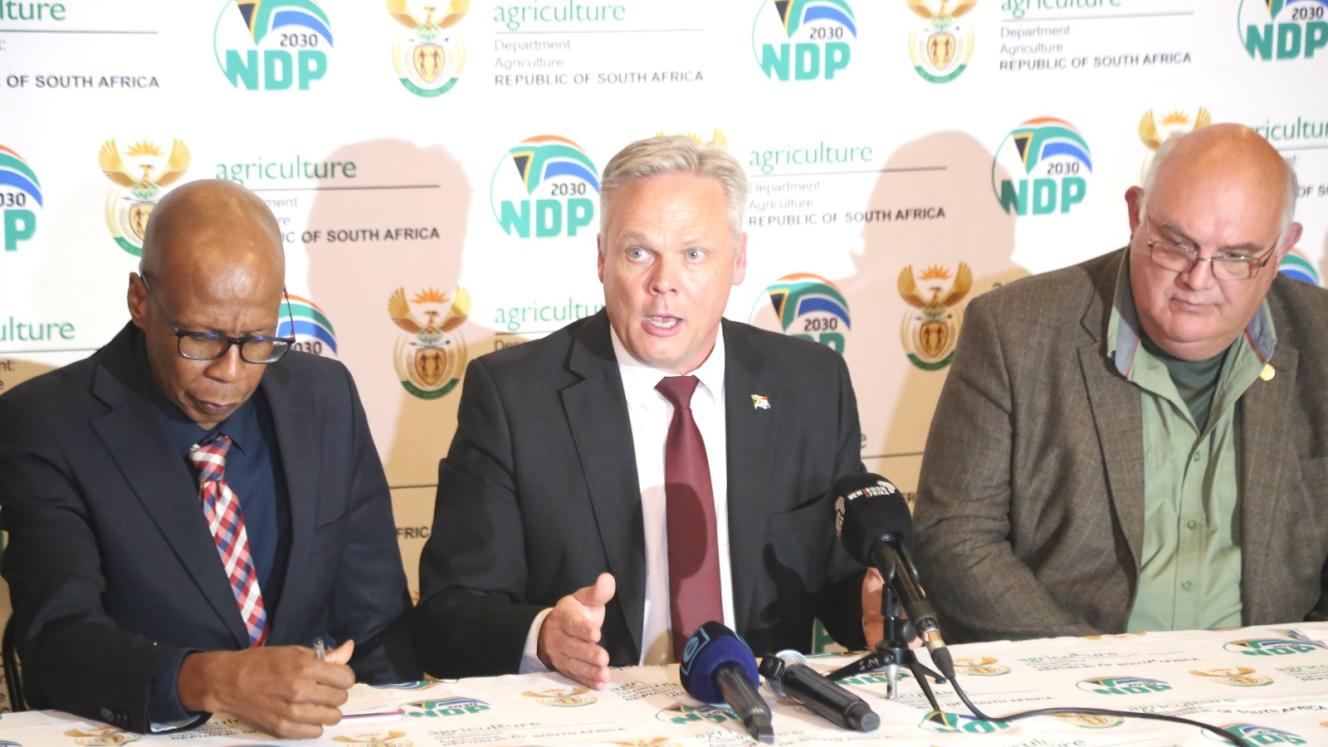
Food and non-alcoholic beverages inflation remained steady at 4.4% for the third consecutive month, providing some stability amid ongoing pressures. Meat prices accelerated from 12.6% to 13.5% year-on-year, still reflecting the impact of foot-and-mouth disease on the agricultural sector. This was offset by declines in fruit and vegetable prices due to a bumper summer harvest, easing in oils and fats from 4.6% to 4%, and contractions in milk, dairy and eggs.
Core inflation, excluding food and fuel, rose to 3.4% from 3.3%, with monthly pressure of 0.3%. Services inflation held at 4.2% year-on-year, led by restaurants and hotels as well as financial services, while core goods inflation was 1.5% year-on-year.
According to FNB Economics the headline inflation figure is higher than its forecast of 3.3% and the market expectation of 3.4%.
FNB economists Koketso Mano and Ame Muller said they expected headline inflation to ease further in February, to around 3.2%, supported by fuel price cuts.
“However, there is an influx of infrequent survey outcomes over the first quarter of the year, which elevates core inflationary pressure, and this will be reflected over the next couple of prints. Nevertheless, headline inflation should remain contained and close to the 3% target over much of this year,” the economists said.
“While a normalisation in services inflation is expected to continue, goods inflation should remain supportive of softer inflation. Despite the recent uptick in oil prices, we believe this reflects a higher risk premium related to the US-Iran tensions, and the market should eventually revert to fundamentals,” they said.
“The oil market is still expected to record a surplus and this will keep prices contained. In addition, slower import price inflation, coupled with a resilient rand, should support compression in other goods prices, which should extend across transport, food, and other discretionary items.”
Nedbank noted that the outcome was below the bank’s forecast of no change.
Nedbank forecast CPI to “tick up” over the next two months to peak at 3.7% before easing towards 3%.
“Food inflation will remain elevated, driven mainly by meat prices due to the continued impact of foot-and-mouth disease. Progress in the vaccination roll-out has been slow amid medication shortages and, as a result, meat inflation is only expected to fall back to single digits by around May,” Nedbank said.
Overall, Nedbank anticipates inflation averaging 3.4% in 2026, declining to 3.1% in 2027, with the benign outlook potentially prompting the South African Reserve Bank to resume interest rate cuts in the second quarter.
The February CPI print is scheduled for release on March 18.