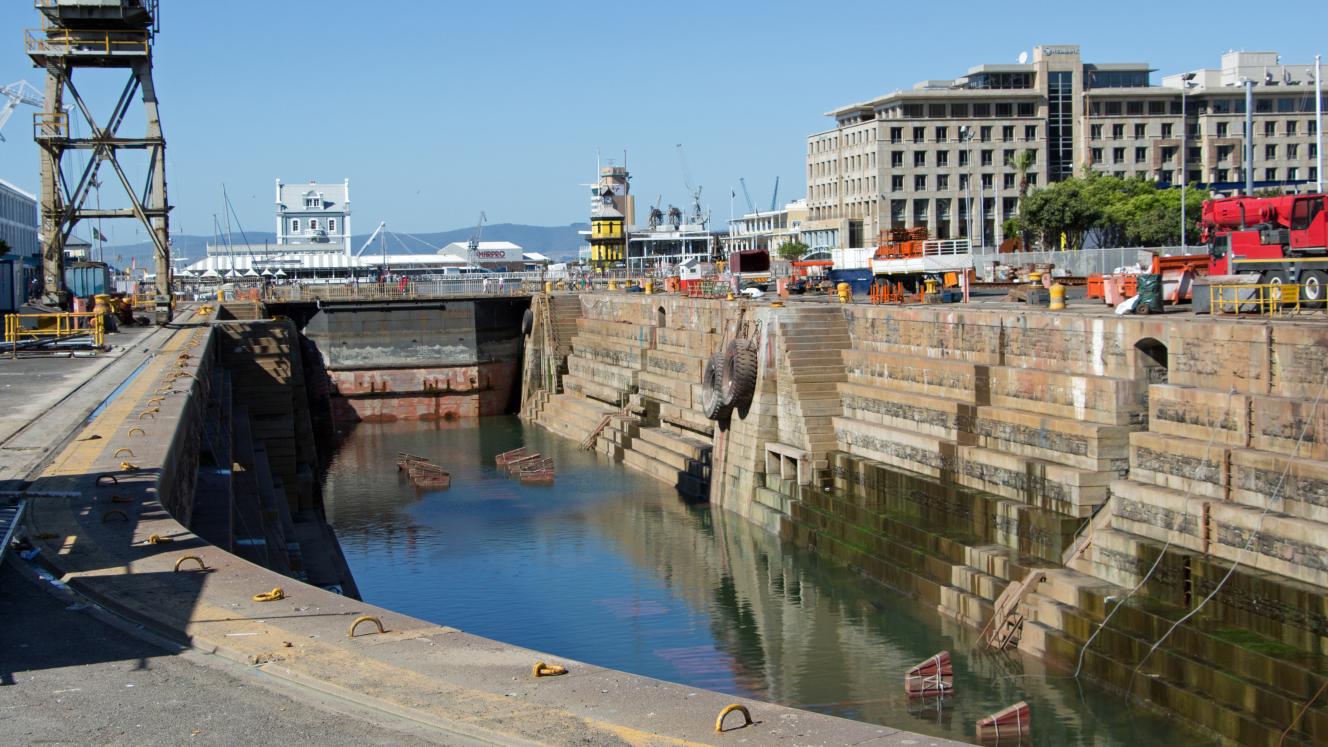
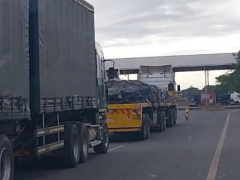
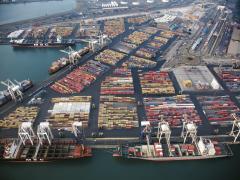
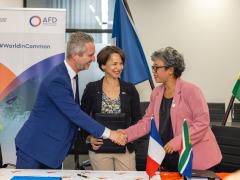
A high-level conference in Lusaka this week has hopefully added impetus to the overarching objective of the North South Corridor project – lowering logistics costs in Africa. It’s an ambitious plan to create a reliable and efficient transport network and reduce bottlenecks along the main trading routes through eight African countries – South Africa, Zimbabwe, Zambia, Tanzania, Democratic Republic of Congo, Malawi, Botswana and Mozambique. Driven by the Common Market for Eastern and Southern Africa (Comesa), East African Community (EAC) and Southern African Development Community (SADC), the project involves upgrading of infrastructure and simplifying customs and regulatory procedures. It will also include measures to improve power supply and transmission in the 12 Southern African Power Pool members. A pilot Aid for Trade programme, the project comprises two priority Nepad Corridors: ● The Dar es Salaam Corridor linking the port of Dar es Salaam with the Copperbelt in Zambia and DRC; and ● The North-South Corridor which links the Copperbelt to South Africa’s ports. Key stakeholders will work with funders and businesses to reduce transport time and costs along the Corridor, with the estimated total cost of implementing all projects and programmes estimated at around US$1 bn over a five to 10-year period. Some of this will be in grants and concessionary loans but there will also be many opportunities for private investment Zambia hosted a high-level conference in Lusaka on Monday and Tuesday that brought together heads of state and key business and financial institutions to secure the necessary funding and to highlight the investment opportunities. “Deepening regional integration and partnering with the private sector are key to addressing the challenges of resource mobilisation and improving competitiveness,” EAC secretary general Juma Mwapachu said.
Corridor project aims to cut Africa’s transport costs
Comments | 0