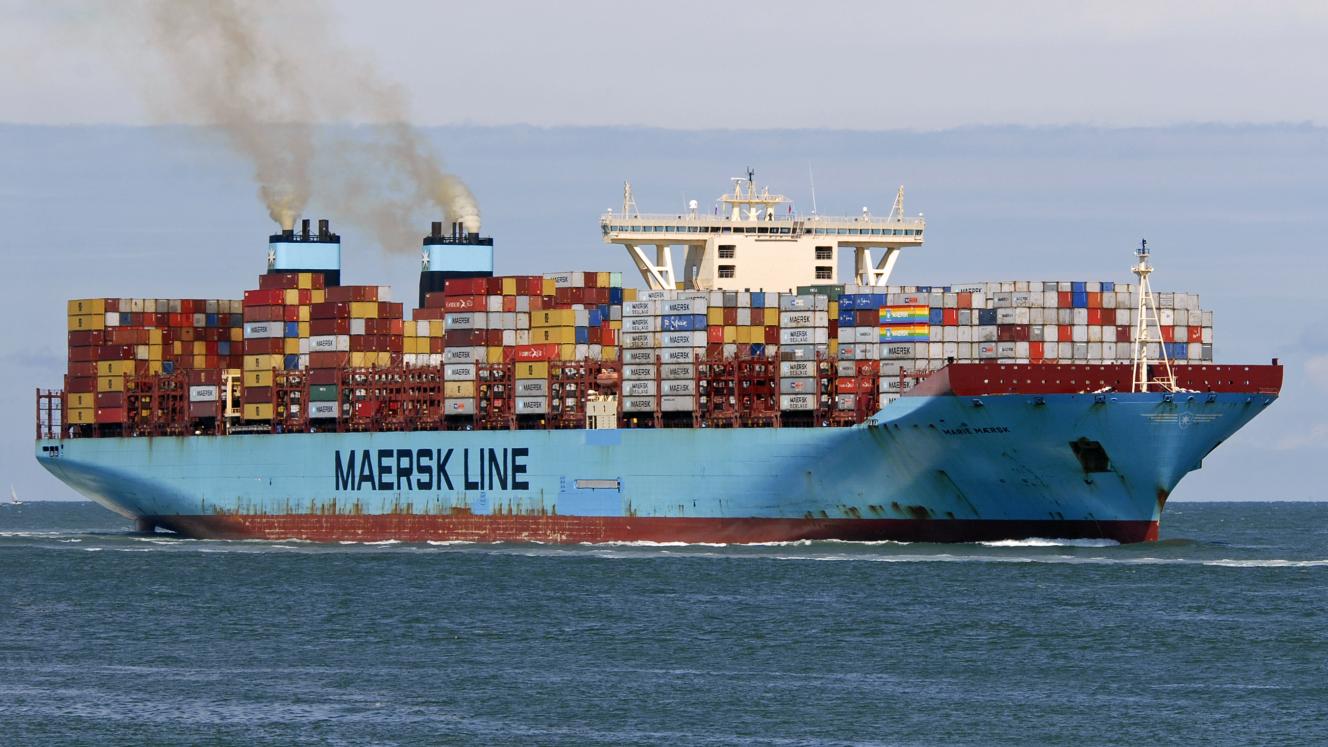
The new ISO1772 requirements for containers exported by sea will force shippers to take container sealing seriously. This is according to Kevin Norwitz, CEO of one of the country’s largest security seal manufacturers and distributors, Vikela Aluvin (Aluvin). The new rules, following those now enforced by US customs, are expected in the next few months. “Increasingly, if a container arrives with an inappropriate seal, US customs will get involved because they see a need to inspect. A proper, conforming seal obviates this unnecessary delay as officials trust its ability to indicate whether any tampering has occurred en route,” said Norwitz, adding that exporters should take care to confirm that their seal suppliers are genuinely ISO17712 compliant. “Time is of the essence when exporting containers and everything possible should be done to expedite delivery to their ultimate destination, including using the correct security seals,” said Norwitz. While some shippers are penny-pinchers when it comes to security seals, to their own detriment, the entire industry has been slow to adopt innovative electronic seals, which marry radio technology to standard bolt seals. For six years Vikela Aluvin has been developing, through its international partners, seals that provide tracing via real-time information through GPS/GMS. “The problem is that no one really wants to be the first to implement. They perceive the cost as being too high. But someone will realise that the cost of even this technology is low compared to the value of the contents of the container and will do it. Then we’ll see everyone getting on board. Everyone wants it but no one wants to pay. But with ISO17712, shipping lines could become increasingly obliged to bring conformity to container sealing, and the temptation to be “penny wise and pound foolish” could be diminished. This, in turn, could lead to a proliferation of electronic sealing,” Norwitz said.
Correct security seals speed up the logistics process
Comments | 0
© Now Media. This content is protected by copyright and may not be adapted or republished. If you would like to discuss cooperation opportunities, please contact: editor@freightnews.co.za.