AS GROWTH from the Far East continues its relentless upward spiral, industry commentators are questioning its long-term sustainability. Estimates of the growth outlook reported by some of the major carriers on the trade range from 10% - 20% with any number of voices in between, says Safcor Panalpina’s seafreight forwarding development manager Trevor Christensen. “There are so many conflicting indicators that will influence this growth forecast,” Christensen told FTW on his return from a week-long trip to China recently. “The one side of the coin suggests that volumes of traditional imports from China such as lower end electronics, clothing, textiles and footwear are going to be negatively impacted by the National Credit Act, higher interest rates and the price of bunker fuel. This particularly for those emerging credit card spendees who may struggle to find new sources of credit, or the resources to service the debt on existing credit. “The flip side of the coin however sees massive investment in machinery and building material for amongst other things, 2010. However this is largely heavy weight, low volume cargo. Yet another facet sees the huge increase in the imports of Chinese fully built up motor vehicles.” He estimates that trade this year has grown at 12 to 15% over 2006 which has had an impact on available capacity. It’s a perennial problem of industry-wide concern, but Christensen believes that with diligent forecasting and capacity management many of these capacityrelated problems can be eliminated. “Our core carriers know and trust in our support and so they tend to reciprocate by somehow managing to accommodate whatever we send their way. “We have had minor rollover problems but those are more technical than capacity issues. One cannot blame capacity management when a ship faces stability problems or needs to cut ports to maintain schedule integrity.” China remains the biggest segment for Safcor Panalpina, representing about 47% of its Far East to SA tradelane. “The indications are that the Chinese prosperity and influence on world markets is unstoppable” says Christensen. “They appear to have embraced capitalism completely and thoroughly – evident in the number of imported luxury cars on the roads, designer stores and the like. But fundamentally it remains a centrally controlled, communist country which puts challenges in the way of doing business there.” In spite of this, flights into and out of the country are full, evidence of the number of people aspiring to claim a share of the market. Clearly automotive is one of its key focus areas. “There are 117 auto manufacturers in China, with a market value of US$1trillion. The Chinese are working to the 11th Five Year Plan which includes an aspiration to own 10% of the global car market by 2015. "The strategy is clever in that they are getting the market penetration, and testing the acceptability of their products through Latin America, Africa, Middle East, Mexico and other emerging markets. If we think back 40 years or so, this strategy is not dissimilar to that which was adopted by the Japanese manufacturers and in the last 10 to 15 years, by the Koreans. Today Japanese and Korean cars are eminently desirable anywhere in the world and likewise, the Chinese cars will probably be just as desirable in the next five years.”
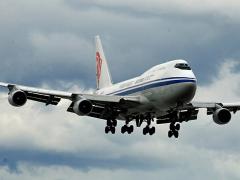
Commentators send mixed messages over China's sustainability
Comments | 0
© Now Media. This content is protected by copyright and may not be adapted or republished. If you would like to discuss cooperation opportunities, please contact: editor@freightnews.co.za.