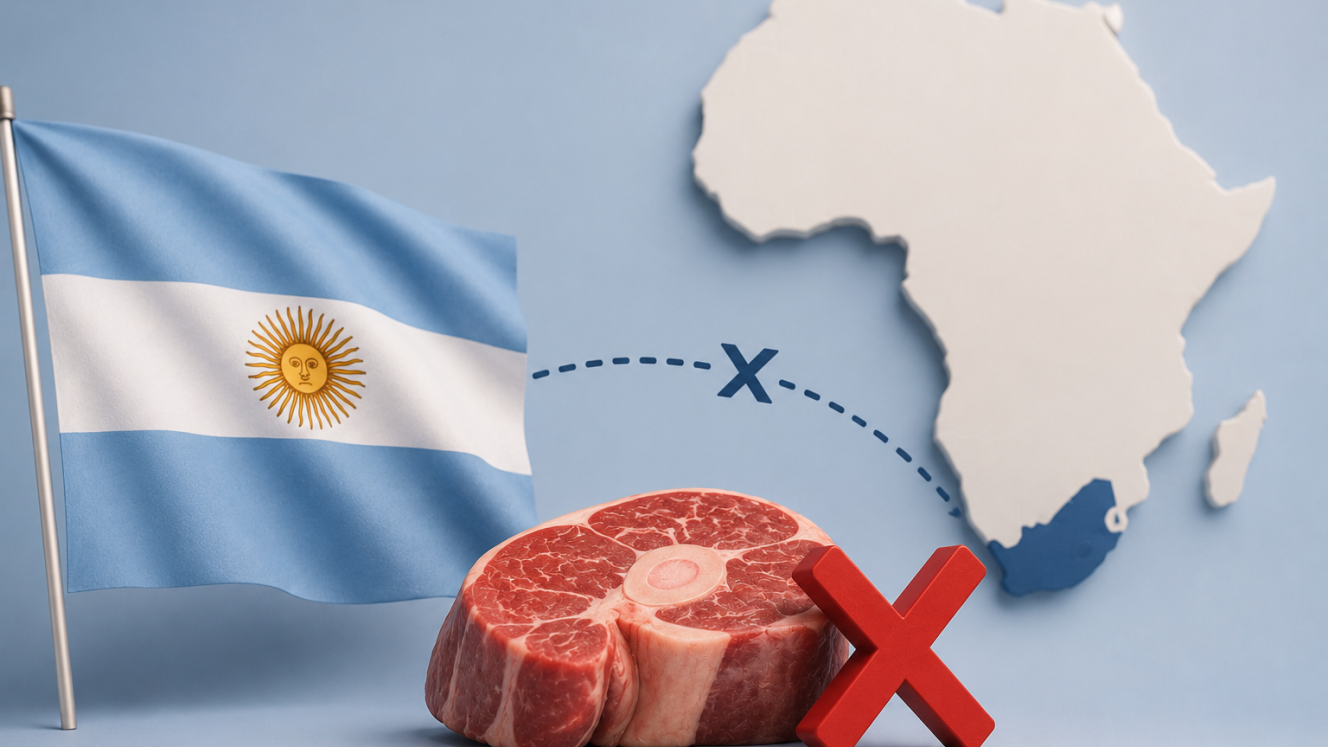
An administrative dispute over veterinary certification is disrupting imports of Argentine oxtail into South Africa, with import contracts being cancelled as the industry awaits a resolution, the Association of Meat Importers and Exporters South Africa (AMIE) has warned.
South Africa imported about 70% of its oxtail from Argentina because local production cannot meet demand, particularly during the winter months, AMIE said.
The impasse initially stemmed from a reference to ovine scrapie in sanitary certificates for bovine products, the association said. Industry stakeholders and Argentine authorities had proposed removing the reference, as ovine scrapie affects sheep and goats rather than cattle.
The Department of Agriculture had instead introduced a more complex sanitary certificate containing extensive Foot-and-Mouth Disease (FMD) biosecurity requirements for bone-in beef products, including oxtail, AMIE CEO Paul Matthew said.
"This should have been a simple administrative amendment. Ovine scrapie does not apply to cattle and removing that reference from bovine certificates should not have become a regulatory obstacle of this scale," Matthew said.
About 1 000 tonnes of oxtail, valued at more than R100 million, could be lost to the South African market during the winter season if the issue is not resolved, AMIE estimates. The association said importers were already cancelling contracts as they managed stock levels and lead times while the certification issue remained unresolved.
The dispute illustrated how regulatory documentation could disrupt international supply chains and the movement of imported food products, Matthew said. AMIE said it had engaged with the Department of Agriculture and the Argentine Embassy in an effort to expedite a solution.
The reference to ovine scrapie was a technical error that had since been removed, and AMIE had been informed of the change, Department of Agriculture Director: Media and External Communication Moses Rannditsheni said in response to Freight News.
Negotiations with Argentina on a veterinary health certificate were ongoing and close to being concluded, although food safety measures still needed to be agreed, he said.
"The Department officials are committed to ensuring that the negotiated veterinary health certificate is concluded as soon as possible, with as little impact as possible. Stakeholders are encouraged to engage the Department where there are issues of concern," Rannditsheni said.