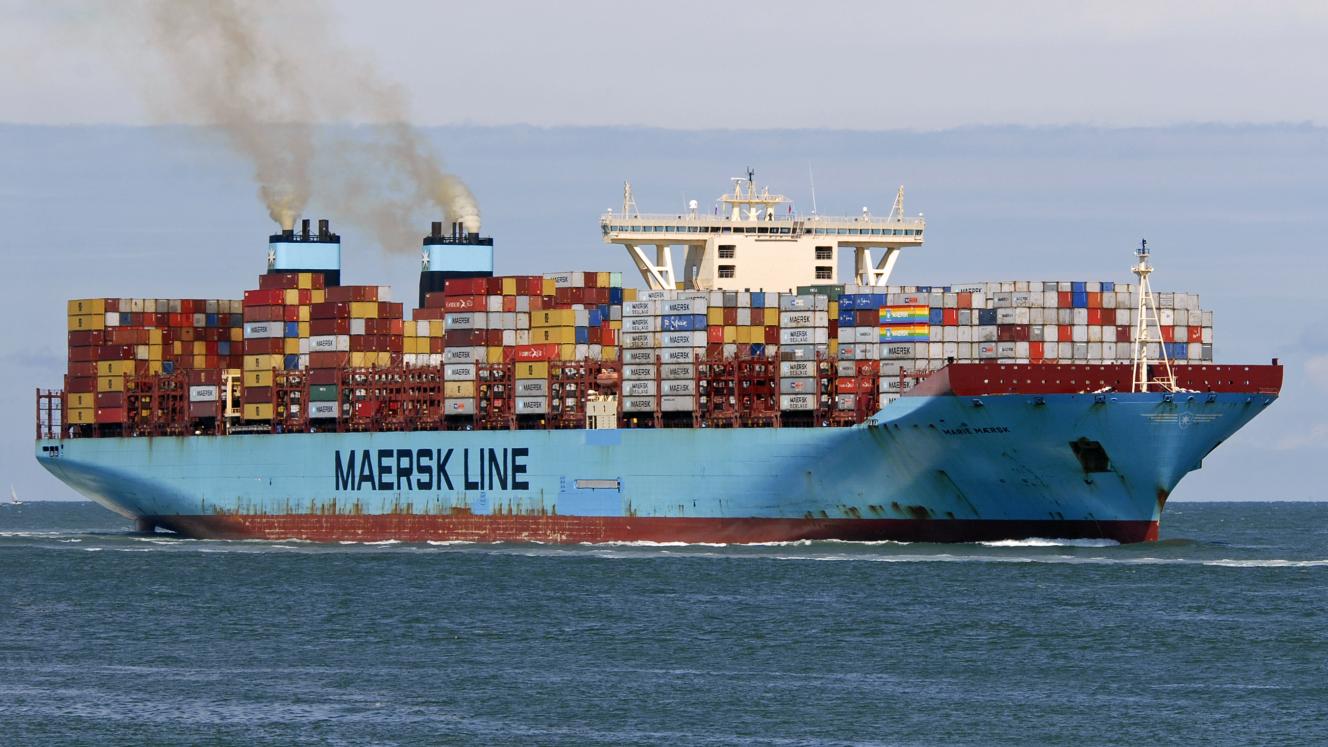
The shipping industry has come out strongly against moves by the International Maritime Organisation (IMO) to introduce mandatory slow steaming as part of a strategy to reduce carbon emissions. The container industry believes that the move will in fact increase emissions. “Slow steaming will cause a capacity reduction which in turn induces carriers to employ additional vessels. The effect will be negative,” said a source. “More vessels mean an increase in emissions, not a decrease, even if they are slow steaming.” An industry source also points out that the measure will be very difficult to enforce as each ship and engine type has its own parameters determining the ideal slow speed. The South African Association of Ship Operators and Agents (Saasoa) agreed saying the local point of view was that mandatory slow steaming was simply not feasible for container shipping. “It could result in congestion or bunching of vessels especially at ports like Durban. It could result in vessels missing their berthing slots and seriously affect stack space
in the terminals,” said a spokesman. “Should this be made mandatory it will have a disastrous impact on schedules and berthing windows while importers and manufacturers would have to purchase more raw material, or hold larger quantities of stock.” The idea of speed restriction was fairly straightforward for bulk vessels that could very well self-impose this, said another source, but when it came to container vessels
transporting perishable cargo and fast-moving consumer goods it would have serious impact on capacity. “In simplistic terms, the slower you go the more ships would be needed, while transit times would worsen,” he said. Commenting on the impact on rates, the source said it was difficult to make predictions as there were many variables to consider. “The most important
aspect of running an optimal string on the dominant trade lanes is to ensure there is room to schedule recovery by speeding up when delays occur,” he said, but there was no doubt that it would cost the lines more, meaning higher rates. Flexibility in the system, he said, was not just needed to make up time for possible human errors, but also to avoid situations like dangerous weather.
Carriers give mandatory slow steaming the thumbs down
Comments | 0
© Now Media. This content is protected by copyright and may not be adapted or republished. If you would like to discuss cooperation opportunities, please contact: editor@freightnews.co.za.