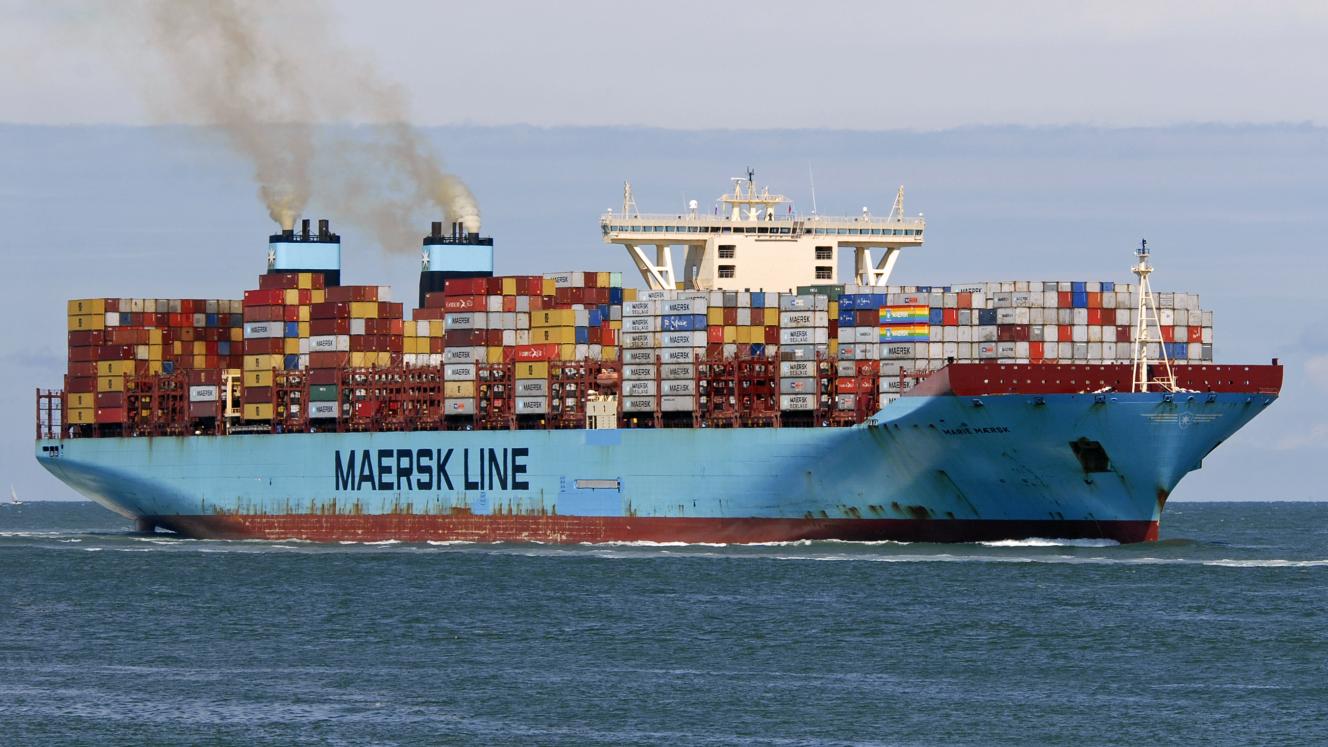
While carbon footprint debates in the freight industry tend to focus on modal advantages of air, sea, road and rail, the issues are far broader. “For most companies the biggest part of their footprint is electricity usage,” says Harmke Immink, principal carbon adviser at Johannesburg-based consultancy Promethium. “In South Africa especially it’s coal based and inefficient and the emission factor is quite high which means a lot of their footprint could be due to electricity.” Her advice is for companies to undertake an overall assessment in order to establish what their carbon footprint is, where the boundaries are and how to reduce it. Food miles The issue of food miles has been a strong driver of carbon footprint awareness, and a recent case study involving roses from Tanzania illustrates the importance of perspective. “Export roses from Tanzania took quite a dip because the Dutch suggested that for UK importers it was more carbon-efficient to buy from the Netherlands because the transport distance was so much shorter. “But if you do an overall assessment you realise that the carbon footprint of a Tanzanian rose imported to the UK, even with the transport leg, is still smaller than heating the greenhouses necessary for cultivation in the Netherlands.” Promethium has provided carbon consulting for a variety of industries – from gold mining to wine and grapes. And while there is clearly a huge saving if goods are transported by sea rather than air, there are several productspecific variables that must be taken into account in any calculation. Maersk Line “Maersk Line, for example, has done a lot of good work on carbon emission reduction. They use bigger ships and if you divide the number of containers moving on that one ship the reduction is significant. They also use the waste heat from the ship engines for the cooling of the containers so there are a couple of very innovative things they have done to get their carbon footprint seriously down. But you can’t apply that across the board – their numbers apply to their ‘best of breed’ practices. You can’t apply the same figures to all seafreight.” Clearly there’s a need to focus less on transport and more on the bigger picture. “Of all the exporters we’ve assessed, there was only one where electricity was not the biggest carbon element because for every one kilowatt hour there is one kilogram of CO2 going into the air. “If you want to reduce your carbon footprint you could consider doing things like switching off the lights, closing the doors when your aircon is on and so on.” Immink uses the example of a fruit marketing company that was considering cutting down on overseas travel to reduce its footprint. “We established that electricity made up 50% of their footprint and by closing their patio doors to make their aircon more efficient, they significantly reduced CO2 emissions. Their time was better spent focusing on the biggest emitter.” Carbon neutral wine estate Backsberg provides another interesting example. They focused first on electricity and next on packaging. They realised that they were sending more glass and air overseas in a bottle than wine and the question was how to package it differently. While exporting in bulk and bottling the product overseas would reduce footprint, this raised issues of quality. “But an interesting fact emerged from Scandinavia where the biggest growth in the wine industry was in box wine because people understood that the carbon footprint was much lower. There was therefore an increase in demand for high quality wine with a lower carbon footprint. So the awareness is growing.” Immink suggests three steps to a carbon neutral footprint: “Establish what your footprint is, look at ways of reducing it and then offset the remainder.” Offset projects range from planting trees in low cost housing schemes to financing the installation of solar geysers for disadvantaged members of the community. And for those companies concerned about additional costs related to carbon footprint reduction, Immink stresses that the result is more often than not a reduction in costs. Clearly a win-win scenario for all.
Carbon footprint assessment – where to begin
Comments | 0
© Now Media. This content is protected by copyright and may not be adapted or republished. If you would like to discuss cooperation opportunities, please contact: editor@freightnews.co.za.