Demand for ship repair services in Cape Town has increased to such an extent that some facilities are fully booked through to the end of next year, prompting the Transnet National Ports Authority (TNPA) to prepare a request for proposals for a privately operated floating dock.
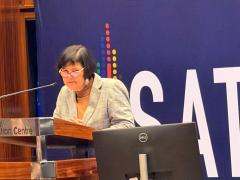
The move forms part of a broader strategy to expand repair capacity and position Cape Town as a leading ship repair hub in Africa. “The ship repair sector is being re-examined as we realise it is a good driver of economic growth,” Ophelia Shabane, acting port manager at the Port of Cape Town, said during her address at the annual Oceans Economy conference, which was held in Cape Town last week.
“South Africa’s ship repair capability is spread across several ports, with facilities in Durban, East London, Gqeberha, Mossel Bay and Cape Town supporting a range of activities, from vessel maintenance and marine manufacturing to fishing and offshore services.”
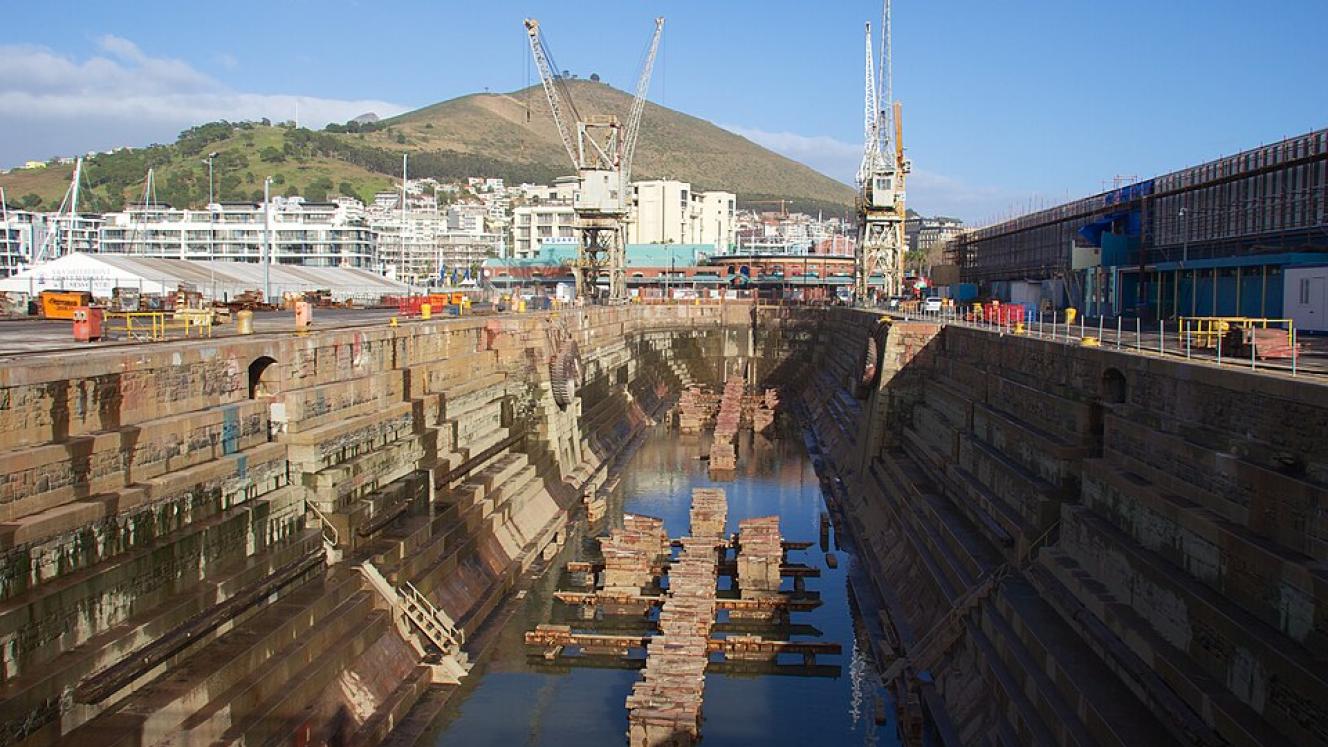
She said Cape Town remained a key hub, with three ship repair facilities, including the Sturrock Dry Dock, one of the largest and deepest dry docks in the southern hemisphere, as well as facilities supporting rig repair activities.
The facility is also used for the repair of diamond mining vessels and supports significant employment. According to Shabane, more than 3 000 people can be employed on vessel repair projects at any given time.
Cape Town’s Robinson Dry Dock and synchrolift facility are particularly important to the fishing industry, with more than 60% of South Africa’s fish catch passing through the port.
Planned projects
Among the projects under way are upgrades to dry dock infrastructure, including new caisson gates for the Sturrock and Robinson dry docks, new capstans, as well as other renewal projects aimed at improving operational efficiency and maintaining international standards.
“These projects are aligned with ensuring that South Africa remains competitive and that our facilities keep pace with global standards,” said Shabane.
To accommodate growing demand, TNPA plans to issue a request for proposals (RFP) for a private sector partner to build and operate a floating dock in Cape Town.
“We want to provide opportunities for the private sector to participate in the industry through the provision of additional ship repair facilities. The floating dock will help ease pressure on existing facilities and ensure that this business remains in South Africa rather than moving to neighbouring countries,” she said.
TNPA was benchmarking performance against leading international ship repair facilities, where occupancy rates of around 80% are considered best practice, Shabane said.
Occupancy rates at Cape Town’s ship repair facilities had improved significantly over the past five years, rising from below 50% to between 70% and 75% in recent periods, she said. “What we are seeing is a clear indication of the strengthening of the ship repair sector in Cape Town and the positive impact of collaboration between Transnet and the private sector.”
The business had undergone a significant turnaround over the past three years, Shabane said. “The ship repair business was previously operating at a loss, with operational costs exceeding revenue due to equipment failures and infrastructure challenges within the dry dock facilities. However, targeted investment and improved facility availability have helped reverse the trend.”
TNPA serviced 190 vessels during the past financial year, exceeding its target of 185 vessels, while gross tonnage handled was 24% above budget.