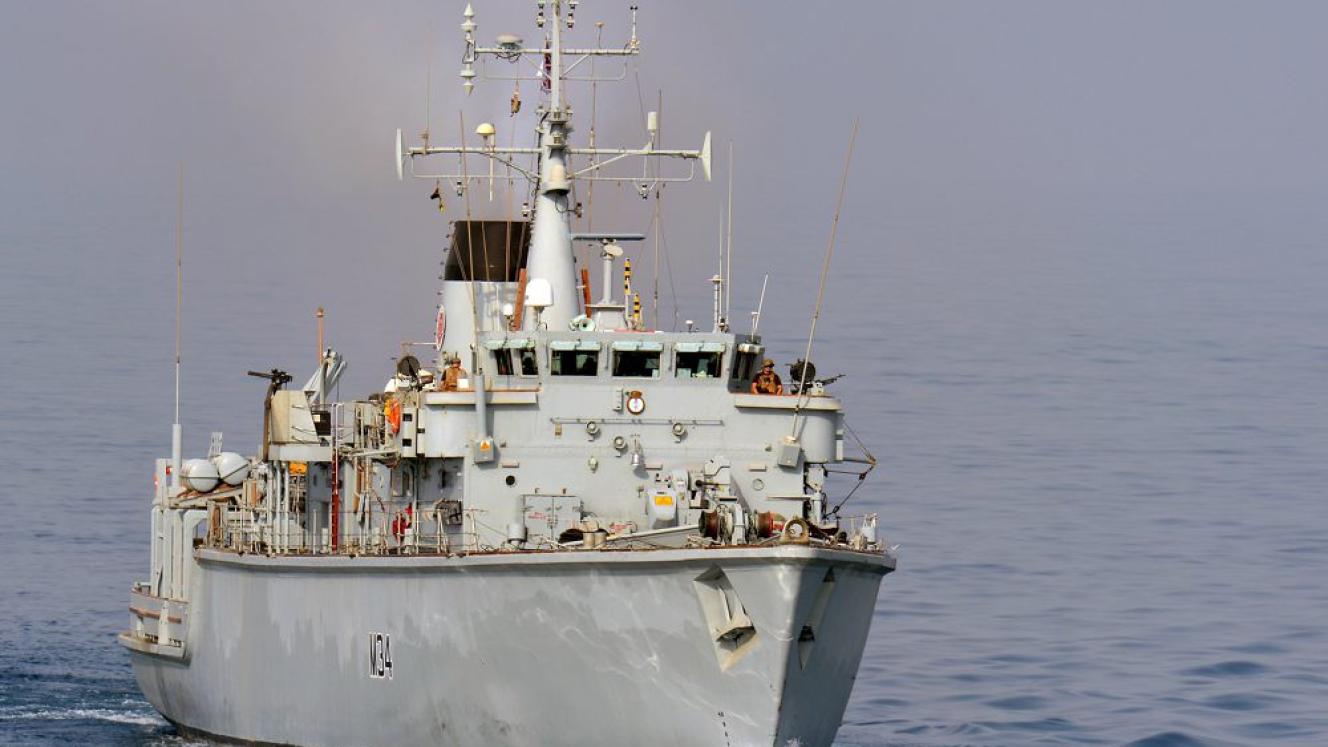
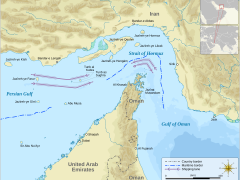
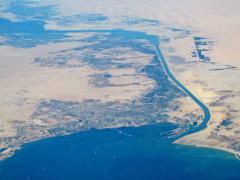
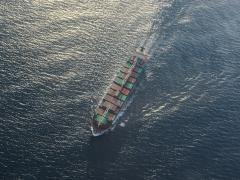
The festering sore of piracy off the Africa coastline, long acknowledged but largely untreated, has finally burst wide open, galvanising governments, international agencies and shipping lines into action. The catalyst for all this was the audacious November 15 attack and capture by Somali pirates of the fully-laden 318 000dfwt mega-tanker, MV Sirius Star, bound for the US. What made the 16-minutelong seizure of the VLCC all the more frighteningly real was the fact that this was the first time pirates had ventured so far out to sea, 450km East of Kenya, to claim their prize, the largest vessel yet to be seized and signalling a new modus operandi for these well-organised and equipped criminals. And while Cape Town’s harbour master Captain Ravi Naicker says he has not yet had contact from any lines wishing to divert vessels to Cape Town in light of this event, he says the port will be ready, he expects mainly for bunkering, if and when the situation arises. Transit time around the Cape will not only take considerably longer, at least 15 extra days, but come at greater cost, which will clearly have to be passed onto the cargo owner. The spanking new 330-metre long Sirius Star, only launched in March, is owned by Vela International Marine, a subsidiary of the Saudi Arabia state oil company, Saudi Aramco. The vessel is worth around US$148 million and her two million barrel cargo of crude another US$100 million, for which the pirates are seeking what might be considered a relatively modest ransom by comparison – US$25 million. The United Nations Security Council has approved additional measures aimed at strengthening the hand of the Somalia’s UN-backed transitional government while also reaffirming a 16-year-old arms embargo on the lawless country, which has been without an effective central government since 1991. BIMCO, the world’s leading shipowner representative body, urged lines deploying “vulnerable” vessels to route away from the Suez Canal, while the International Maritime Bureau described piracy as “out of control”, and “an intolerable situation.” In the wake of the decision by Svitzer and leading chemtank player, Odfjell, to reroute their vessels from the Suez Canal around the Cape of Good Hope to avoid pirates, Danish shipping giant, AP Moller-Maersk, has announced it will follow suit in respect of vessels without adequate speed or freeboard. “Based upon availability of escorts, these vessels may join naval convoy transit in the Gulf of Aden.” Safmarine says in a statement that although containerships are less vulnerable to attack given their freeboard and speed, a rapid solution is required. Tanker giant, Frontline, is negotiating diversions with its customers, with pressure on other tanker companies to follow suit. Lines currently mulling their options include Wallenius, BW Gas and Euronav. MSC says the company’s vessels from the Far East already use Cape Town and Durban routes but that none has experienced any piracy problems. The company’s head office however stands ready to activate security measures should the need arise. Global piracy is up at least 75% over last year, with 97 of the 199 actual or attempted attacks in the first nine months of this year at the hands of Somali pirates. Criticism has been aired over the inadequate international naval task force patrolling off the East coast of Africa but the warships have nevertheless succeeded in reducing hijacks from 53% in August to 31% in October. What is more, they are up against many different groupings of pirates operating over an area of 2.8 million square kilometres.
Cape Town ready for ‘pirate-dodgers’
Comments | 0
© Now Media. This content is protected by copyright and may not be adapted or republished. If you would like to discuss cooperation opportunities, please contact: editor@freightnews.co.za.