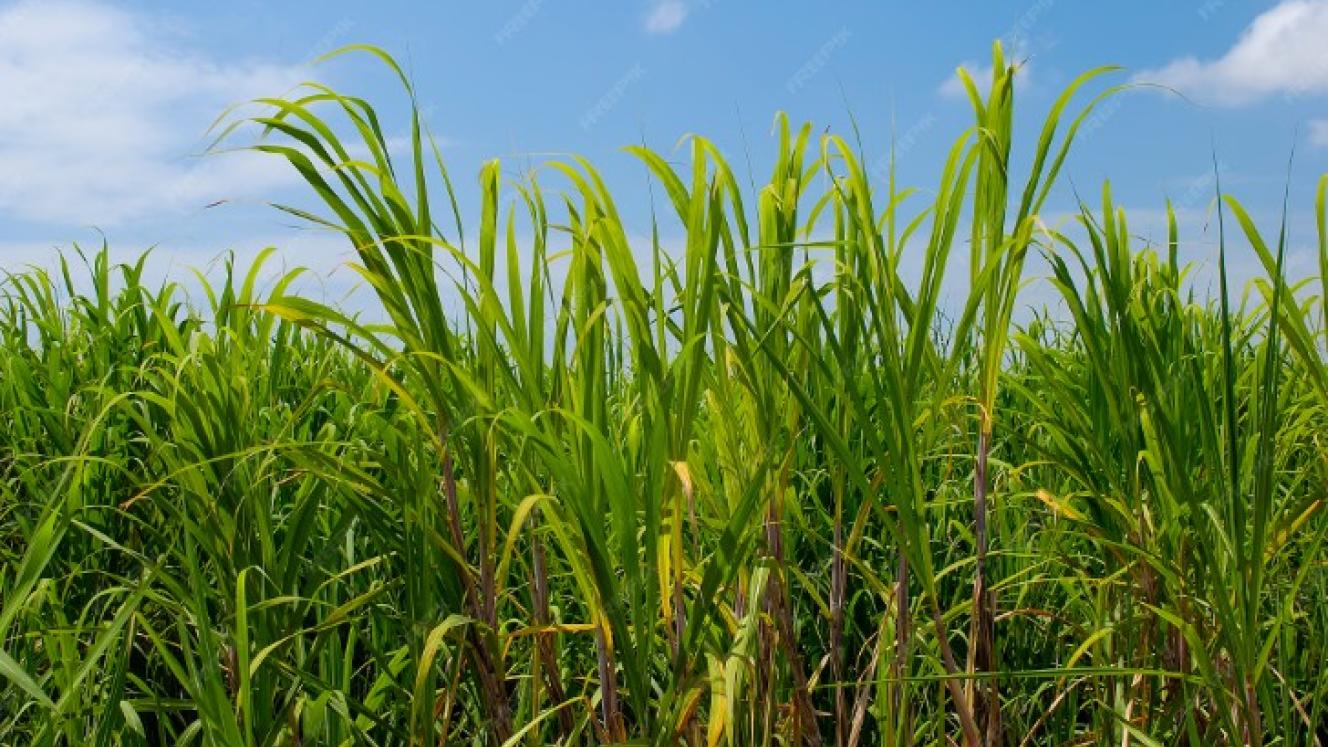
South Africa’s sugar sector is facing severe pressure from a sharp rise in refined sugar imports, which are displacing locally produced sugar and jeopardising jobs and rural economies in KwaZulu-Natal and Mpumalanga.
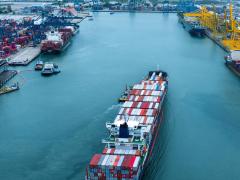
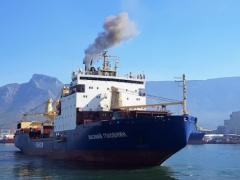
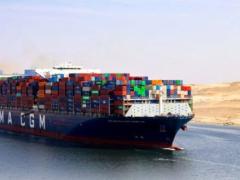
South African Revenue Service (Sars) data, tracked by SA Canegrowers, shows that January alone recorded 24 600 tons of deep-sea sugar imports from countries including Brazil, India and Thailand.
This volume for a single month exceeded the total imports recorded for the entire years of 2020, 2021 and 2022 combined.
Imports accelerated markedly in 2025, with nearly 200 000 tons of refined sugar entering the country, driven by low global sugar prices, a stronger rand/dollar exchange rate, and inadequate import tariff protections. Early 2026 figures indicate the trend is continuing, with recent tariff adjustments failing to curb the inflow.
SA Canegrowers chairman Higgins Mdluli highlighted the market dynamics.
“Sugar is being imported by opportunistic agents who take advantage of a low global sugar price and weak local tariff protections, but who sell this sugar locally at similar prices to locally produced sugar,” Mdluli said.
“The profits go to the import agents and result in no savings to consumers in South Africa. This, in turn, means that jobs are being exported at the expense of the SA sugar industry.”
He said the displacement was costing the local industry heavily.
“This surge of imported refined sugar is displacing locally grown and produced sugar from the South African market,” Mdluli said.
The sector lost more than R7 000 per ton of displaced local sugar, resulting in a combined impact of R1.5 billion over the 2025/26 season.
He said the industry supported over a million livelihoods and served as a cornerstone for rural communities.
Mdluli stressed the need for robust protections: “We need a tariff framework that effectively ensures the domestic industry can compete with unfairly subsidised imports. Ensuring a fair trading environment for locally produced sugar is critical if the industry is to remain viable and continue supporting growers, workers and communities.”
SA Canegrowers has urged the International Trade Administration Commission (Itac) to finalise its tariff review and implement adequate safeguards.
The crisis coincides with other challenges, including the potential liquidation of Tongaat Hulett, South Africa’s only stand-alone sugar refinery. Tongaat Hulett operates three mills and produces white sugar essential for food and beverage manufacturers due to its flavour profile – the precise category flooding the market from abroad.
Last week, Minister of Trade, Industry and Competition Parks Tau engaged directly with the sugar industry and Itac representatives.
Mdluli called for diplomatic intervention following President Cyril Ramaphosa’s recent state visit to Brazil.
“On the back of the state visit to Brazil, we urge President Cyril Ramaphosa to discuss this matter with President Da Silva and to insist that sugar imports to South Africa from Brazil are stopped immediately, as the country is self-sufficient in sugar production,” he said.
He added that resolving the Tongaat Hulett crisis was essential for the stability of the industry.
“We remain hopeful that a workable solution can be found. However, even if Tongaat Hulett is rescued, it will operate in an environment where weak import tariffs undermine its core business, unless the tariff is urgently resolved,” Mdluli said.