Iran’s sporadic bombardment of critical infrastructure in the Gulf included several drones striking the Port of Salalah in Raysut, Oman, on Wednesday.
On the same day, a fuel tanker was struck at the Port of Duqm on Oman’s Arabian Sea coast.
The Critical Threats Project (CTP) at the American Enterprise Institute and the Institute for the Study of War added: “Iranian attacks targeting energy infrastructure in the Gulf have continued to disrupt some regional oil and gas industries.”
Critical infrastructure attacks by Iran included drones targeting a power plant and an energy facility in Qatar, the Qatari defence ministry has said.
The New York Times reported that, soon after, QatarEnergy, one of the world’s largest exporters of liquefied natural gas, said it would halt production, causing an immediate spike in the price.
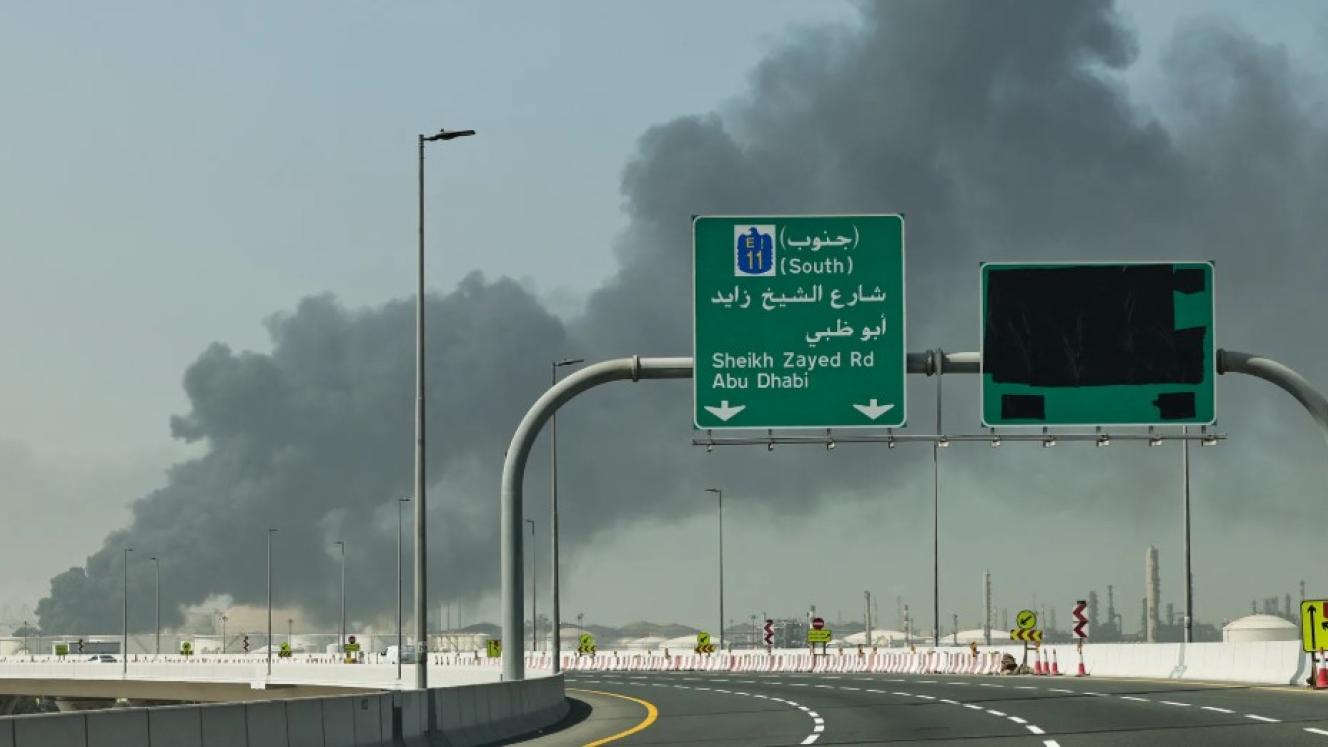
Earlier this week, Saudi Arabia’s energy ministry also reported that a fire had broken out at the Ras Tanura oil refinery in the Kingdom’s eastern province, responsible for processing about 550 000 barrels of oil a day.
The fire at the facility was caused by falling debris from two Iranian drones, intercepted by Saudi’s missile defence system.
The Kingdom reported that units of the refinery had been shut down as a precautionary measure.
Despite stating that it had the right to retaliate, the Qatari Foreign Ministry has denied reports that Qatar conducted strikes against Iran, CTP reports.
Since Saturday’s launch by the US and Israel of ‘Operation Epic Fury’, Iran has retaliated with about 101 ballistic missiles, 39 drones, and three cruise missiles at Qatar since the start of the war.
After Saturday’s fire at the Port of Jebel Ali in the United Arab Emirates, caused by falling debris from an intercepted missile, operations were resumed by Sunday after DP World implemented a temporary precautionary suspension across all four terminals.
The Dubai Ports company has since issued a statement that all terminals at Jebel Ali Port in Dubai are operating normally.
“We continue to monitor developments closely and remain in close coordination with the relevant authorities. Enhanced safety and security measures remain in place across the port. The safety and wellbeing of our people, customers and partners remain our top priority.”
DP World stressed that the importance of safeguarding the port against further missile attacks could not be overstated.
The multinational said: “Jebel Ali Port is the largest port in the Middle East, serving as a critical gateway for trade across Asia, Europe, Africa and the Americas.
“Its four terminals handle over 15 million twenty-foot equivalent units (TEUs) a year of container cargo, along with significant volumes of bulk, breakbulk and roll-on roll-off cargo.”