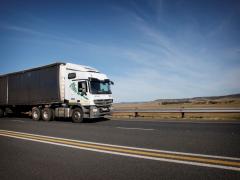
While rail transport could reduce logistics costs by as much as 30%, South Korean appliances and technology giant LG Electronics has opted for the flexibility and speedy turnaround of road transport for the movement of its cargo, particularly into Africa, says Matthew Stuart, the company’s supply chain director. “The concern and feedback we have been getting in terms of rail transport is that while it is cheaper, it does not compare to the flexibility and service levels we enjoy with road,” he told FTW. “Given the large volumes of stock we receive – normally towards month end – we need a rapid rail service and can’t afford to sit and wait for rail slots to fill up before our stocks depart. “We enjoy full flexibility with our transporters, and they get our products into warehouses swiftly. In our business if our products are not on shop shelves, our consumers will look elsewhere, so it is important to have an effective transport network,” he said. Stuart said LG Electronics’ cross-border business was significant in Botswana and Namibia – two places outside of South Africa where the company has its biggest footprint. The company is however looking at expanding into Zambia, Mozambique, Zimbabwe, Malawi and other nations on the continent with a strong port network. He said one of the biggest challenges facing LG in some African countries where the company does not have an established footprint, is deciding on the most effective distribution channel – whether to opt for the distributor agent route or continue supplying direct to market from across border or from the most viable port. The company is also not immune to challenges posed by poor infrastructure on roads, crime (instances of hijacking have occurred) and disruptions to services caused by labour-related strikes. Despite rail transport’s lack of flexibility, Stuart said the company would keep tabs on it as a future mode of transport should the service improve. “Our challenge is not to be out of stock or over-stocked – but sometimes we find ourselves falling prey to shortfalls that could be linked to global supply problems. However, we look at flexible ways of resolving challenges. “Air transport is also a viable option for smaller items like laptops, mobile handsets and PC monitors, while bigger items like refrigerators, washing machines and the like can’t be transported by air. Generally, a mix of rail, road and air modes applies,” he said. An electrical engineer by trade, Stuart joined LG two years ago, having worked as a consultant in a number of industries and having been involved in logistics with the Super Group.
Appliance giant chooses flexibility over cost
Comments | 0
© Now Media. This content is protected by copyright and may not be adapted or republished. If you would like to discuss cooperation opportunities, please contact: editor@freightnews.co.za.