South Africa’s target of moving 1.2 million tonnes of air freight through its airports by 2029 will depend partly on faster regional liberalisation, as African aviation leaders warn that fragmented markets, restrictive bilateral agreements and weak airline profitability continue to limit continental connectivity.
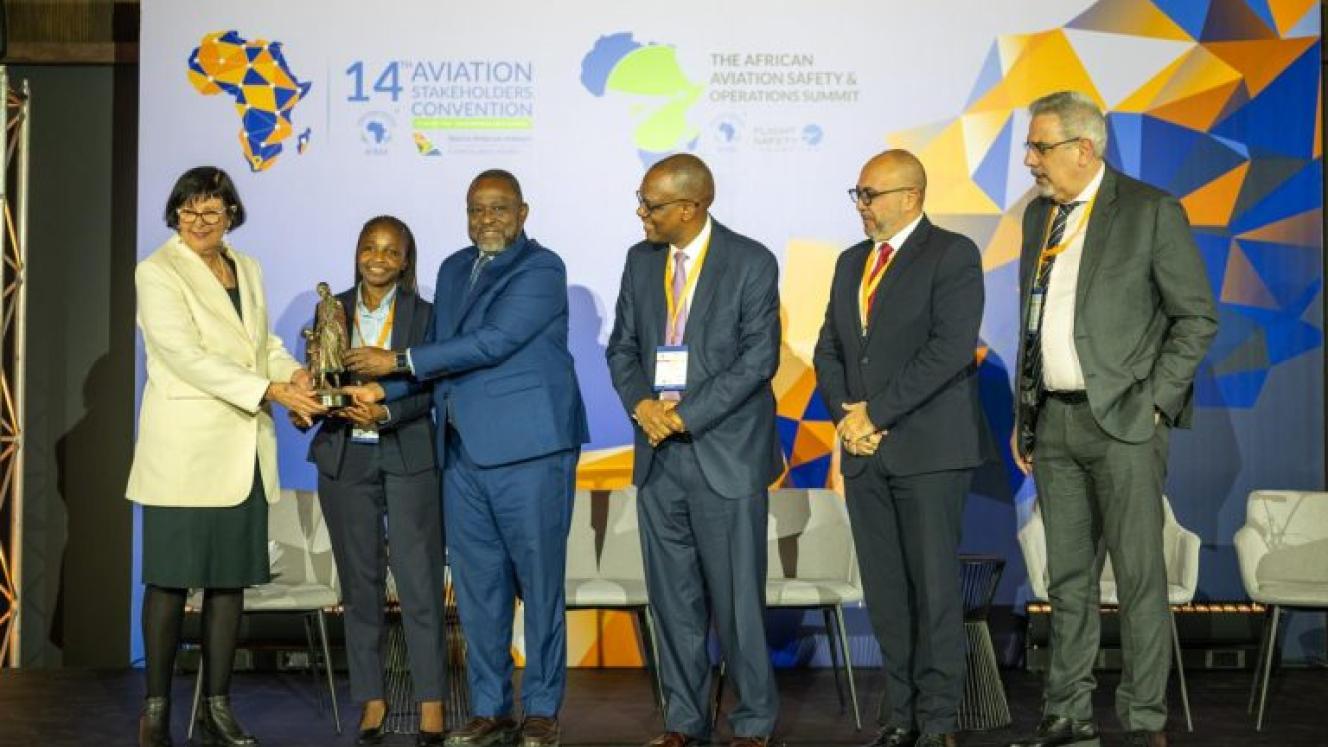
Speaking at the opening of the 14th Aviation Stakeholders Convention in Johannesburg on May 18, Transport Minister Barbara Creecy said South Africa supported faster implementation of the long-discussed Single African Air Transport Market (SAATM) as part of efforts to improve regional connectivity and strengthen air cargo corridors.
Hosted by the African Airlines Association (AFRAA) and SAA under the theme ‘Resilient African Aviation: Partnerships – Empowerment – Profitability’, the convention focused on addressing global uncertainty, geopolitical risks, regulatory divergence and infrastructure constraints, while positioning Africa as the next frontier for aviation growth.
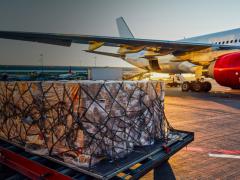
The airfreight target will require supporting infrastructure investment. “In relation to air cargo, strategic infrastructure investment is on track to begin with the air cargo terminal at OR Tambo International Airport in March 2027,” Creecy said.
“There is also strong support for a continental strategy to strengthen air cargo development and trade corridors, recognising the efficient cargo systems that are essential to unlock the full potential of the African Continental Free Trade Area.
“Despite vast potential, our continent still accounts for a relatively small share of global air traffic. To realise this opportunity, we must act decisively. We must accelerate the implementation of SAATM, invest in modern infrastructure, digitisation, safety systems and operational efficiencies,” Creecy said.
The SAATM push comes against a backdrop of pressure on African carriers. Despite Africa’s robust growth, the continent’s airlines are expected to generate a collective nett profit of just US$200 million (R3 billion) in 2026, according to Kamil Al-Awadhi, Regional VP for IATA, Africa and Middle East.
In his welcome address, Abdérahmane Berthé, Secretary General of AFRAA, acknowledged that African aviation continued to operate in a highly complex and uncertain global environment.
Geopolitical tensions, supply chain disruptions, currency pressures, rising operating costs, infrastructure gaps and aircraft availability constraints had placed pressure on African carriers, he said.
The continent’s fragmentation across 54 states, multiple regulatory frameworks, and hundreds of restrictive bilateral air services agreements, made collaboration among stakeholders essential, he said.
“The question is no longer whether Africa will grow, but whether African aviation will be sufficiently prepared and positioned to capture that growth sustainably and remain competitive.”