The global maritime industry is steadily moving towards lower emissions, driven by new regulations, evolving fuel technologies and growing pressure from international trade partners.
For many African countries, the pace of this transition is difficult to match, yet the consequences of not adapting may be far greater.
Avoiding or even ignoring the global shift to reshape shipping, is simply not an option, the International Maritime Organization (IMO) has stressed.
The IMO’s 2023 greenhouse gas strategy sets a clear target that the shipping industry should reach net-zero emissions around 2050, and signs of this shift are already visible.
These include green methanol-fuelled vessels entering service and major ports in Europe and Asia preparing for ammonia and other alternative fuels. Equipment such as electric cranes, digital yard systems, and shore-power connections is becoming mainstream in developed maritime hubs.
And yet, Africa’s starting point is markedly different.
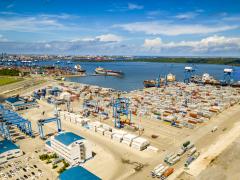
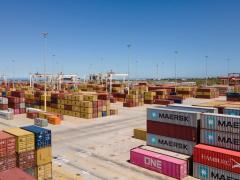
Many ports still rely on diesel-powered machinery, lack green bunkering infrastructure and operate older vessels on regional routes. This creates a widening gap between global progress and local readiness. Nonetheless, the shift is unavoidable, particularly as compliance with green standards becomes increasingly linked to market access.
Although Africa contributes relatively little to global maritime emissions, it is highly exposed to climate impacts. Rising sea levels and extreme weather events affect coastal infrastructure, ports, and trade corridors.
At the same time, international regulations and market mechanisms, such as Europe’s Carbon Border Adjustment Mechanism (CBAM), are raising the importance of low-carbon transport for exporters.
CBAM will require exporters to account for emissions related to production and transport, which could increase costs for African goods entering Europe if supply chains fail to align with greener standards. Avoiding such penalties will depend partly on cleaner port operations, better monitoring systems, and more efficient logistics.
Financing the transition remains the central challenge. Shifting to low-carbon maritime operations requires long-term investment in infrastructure, energy systems and technology. For developing economies, the scale of financing required is substantial. Gareth Phillips, manager for Climate and Environmental Finance at the African Development Bank (AfDB), has indicated that the bank has become a key player in supporting this transition.
A practical example is found at the Port of Cotonou, where AfDB financed climate-resilience measures to counter rising sea levels, enabling Benin to unlock $18 million in concessional co-financing from the Canadian AfDB Climate Facility. He explained that securing this level of climate-aligned finance would have been difficult without such structured support.
Phillips has also noted that green port projects attract stronger international backing when they offer additional benefits such as community resilience, improved safety, or gender-inclusive development. This approach strengthens funding proposals for African ports but requires careful planning and technical preparation.
Regulation plays a central role in the maritime transition. The IMO’s GHG strategy, reporting obligations, emissions monitoring, and fuel standards, will directly influence port operations and vessel access in the coming years.
James Ng’ang’a, Ports and Maritime Transport expert at AfDB, has stated that the bank is working closely with African governments to align national maritime policy frameworks with these international rules.
In Seychelles, the bank is supporting the Seychelles Ports Authority in preparing the Strategic Investment Plan 2025-2030, ensuring that climate resilience and environmental sustainability are embedded into future port development.
In Namibia, Ng’ang’a has explained that AfDB and the Government of South Korea are assisting in the development of a Green Port Policy, Strategy, and Investment Plan. Implementation is expected to begin in 2026, establishing a structured pathway towards sustainable port operations.
These policy frameworks are designed to keep African ports aligned with global shipping standards, maintain competitiveness, and reduce long-term operating risks.
Africa’s ports will not complete this transition alone. Collaboration with development banks, port authorities, and global shipping companies is essential. AfDB emphasises the importance of coordinated efforts to reduce knowledge gaps, share best practices, and implement practical solutions.
Ng’ang’a has highlighted the example of AfDB’s technical assistance to Transnet in South Africa, which focuses on designing energy-efficiency measures and exploring renewable-energy options for port operations. Such partnerships help African ports enhance performance while preparing for low-carbon requirements expected from international carriers.
The cost of delaying decarbonisation extends beyond environmental impacts. Trade competitiveness is also at risk. If African ports fall behind global standards, shipping lines may shift towards more efficient or greener routes. Exporters may face higher penalties under mechanisms such as CBAM.
Cargo delays, disruptions, and insurance costs could rise if ports are not equipped to manage climate impacts or meet compliance requirements. Phillips has remarked that by adopting cleaner technologies, improving emissions reporting, and integrating climate considerations into port investments, African exporters can avoid unnecessary costs and strengthen their access to international markets.
AfDB is exploring new financing solutions to support long-term maritime sustainability. While the bank does not yet operate a dedicated maritime decarbonisation fund, its activities align with broader development priorities such as resilient infrastructure and capital mobilisation under the President’s ‘Four Cardinal Points’.
Phillips has referred to emerging tools such as the Adaptation Benefits Mechanism, which aims to channel solidarity levies from high-emitting industries into climate-resilience projects. Such tools could support ports in developing infrastructure capable of withstanding rising sea levels, extreme weather, and other climate-related risks.
Across the continent, interest in blue economy strategies is growing. These programmes integrate maritime transport, coastal tourism, fisheries, and renewable marine energy into national development plans. Over time, they could support a broader transition towards greener and more sustainable ocean-based economies.
The global shift towards low-carbon shipping is accelerating. For Africa, the transition is challenging but necessary. Although the continent has not been a major driver of maritime emissions, its ports and exporters must adapt to remain competitive as sustainability standards increasingly influence trade decisions.
Decarbonisation is no longer optional; it is now directly linked to market access, cost efficiency, and long-term resilience. The real question is not whether the transformation will occur, but how quickly African ports can prepare and how effectively they can mobilise the support required.