As 2025 draws to a close, South Africa’s logistics sector finds itself at a familiar crossroads: real progress in some areas, stubborn blockages in others, and a nagging sense that the country is still paying dearly for years of neglect during the state capture era.
The year delivered landmark deals, including a public-private partnership at the Port of Durban and a R3.4 billion private rail investment, signalling a domestic turning point. Yet, this progress was offset by tough external shocks, as new US tariffs hit exports hard and Red Sea disruptions made the Cape route the 'new normal' for global shipping. Here are some of the major news events we covered in 2025.
Pier 2 partnership finally sealed
December 10 delivered the headline many had waited years for: Transnet and International Container Terminal Services Inc (ICTSI) signed the 25-year joint-venture agreement for Durban Container Terminal Pier 2. The deal, structured as a special-purpose vehicle with Transnet holding 51% and ICTSI 49%, came after the KwaZulu-Natal High Court dismissed APM Terminals’ legal challenge in October. Pier 2 handles the lion’s share of Durban’s containers, and the partnership is seen as the flagship transaction of Operation Vulindlela Phase 2.
New cranes and RTGs start arriving
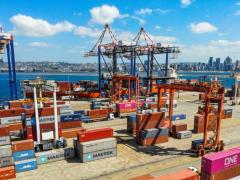
Transnet’s R3.4 billion equipment programme for the 2025/26 financial year began bearing fruit. Durban received an initial batch of new equipment, including 20 straddle carriers for Pier 2, and nine Rubber-Tyred Gantry (RTG) cranes for Pier 1. Meanwhile, Cape Town commissioned nine new RTGs, helping push refrigerated container volumes up 32% year on year by August. This equipment forms part of over 100 new pieces slated for Transnet Port Terminals nationally.
Trump tariffs shake up global trade
The unilateral 30% tariff imposed by the United States on South African exports, which came into effect in early August, became a reality. This policy shift forced local exporters to scramble for new markets and highlighted the sector's dependence on efficient infrastructure to remain competitive.
Agoa renewal efforts
The African Growth and Opportunity Act, which expired in September, is currently being addressed by the US House of Representatives. On December 10, the House Ways and Means Committee approved the Agoa Extension Act by a strong bipartisan vote, proposing a three-year extension of the programme until the end of 2028 and making the duty-free provisions retroactive.
Despite the positive movement on the renewal bill, South Africa's participation remains highly precarious. US Trade Representative (USTR) Jamieson Greer said the administration viewed South Africa as a "unique problem" and suggested he was open to excluding the country from any extension unless it lowered its tariffs and non-tariff barriers on US products.
The House bill currently does not explicitly exclude South Africa, but a separate, more aggressive bill in the Senate, known as Agoa 2.0, has been introduced by Senator John Kennedy that specifically calls for the country's removal and mandates a comprehensive review of bilateral relations.
Red Sea rerouting becomes the new normal
Red Sea disruptions kept the Cape of Good Hope front and centre. Sub-Saharan port connectivity surged almost 54.8% as carriers continued to reroute around the Cape, giving Durban and Cape Town an unexpected bunkering bonanza but adding weeks and millions in costs to global supply chains.
State capture prosecutions gain momentum
The fight against corruption saw a major breakthrough in November. The Investigating Directorate Against Corruption (Idac) formally added former Minister of Public Enterprises Dr Malusi Gigaba as the fifth accused in the high-profile Transnet corruption case on November 18.
Gigaba faces a charge of corruption, with the allegations relating to the irregular awarding of three major locomotive contracts during his tenure as minister between November 2010 and May 2014. The State alleges he accepted undisclosed amounts of cash from members of the Gupta family, payments alleged to be corrupt in nature.
He joins four former Transnet executives in the dock: former Group CEO Brian Molefe, former Group CFO Anoj Singh, former CEO Siyabonga Gama, and former chief procurement officer Thamsanqa Jiyane. The matter was postponed to January 30, 2026, for the disclosure of the docket and for transfer to the High Court.
Rail claws back ground – slowly
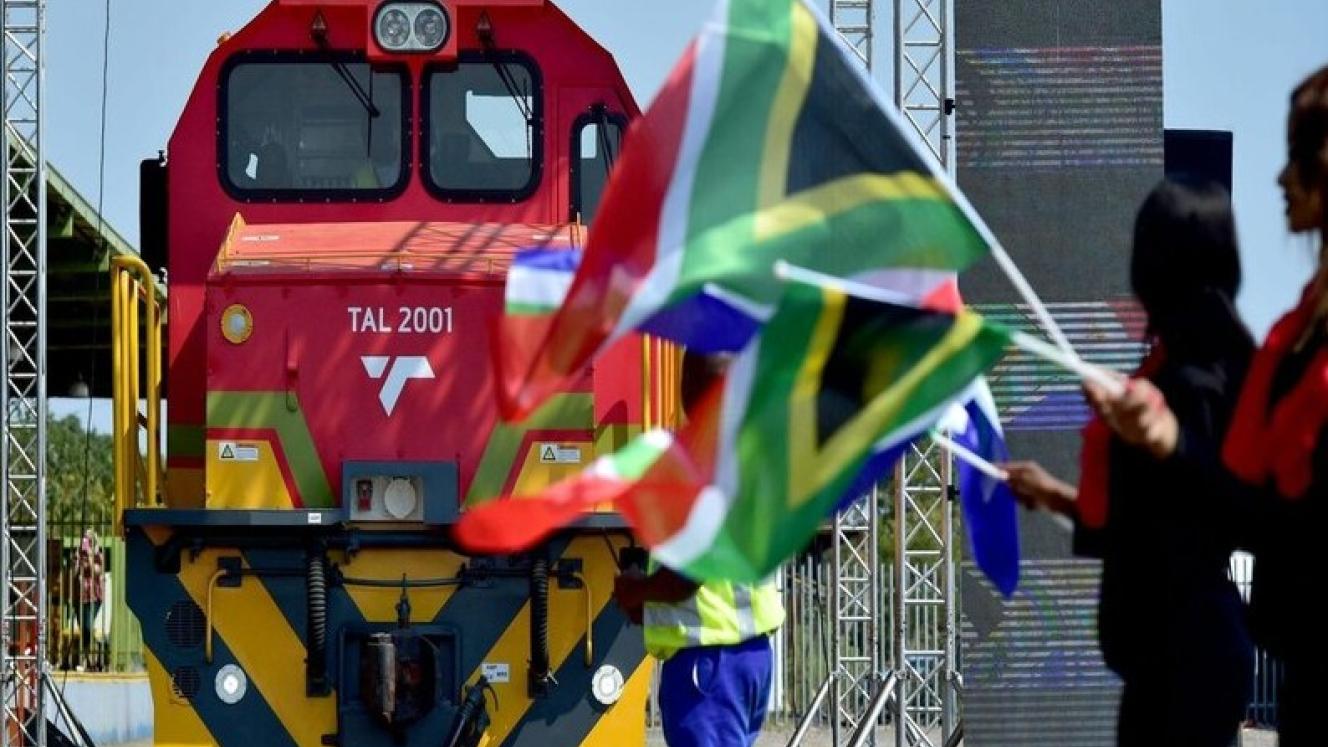
A critical element of 2025 reforms was Transnet's decisive move toward third-party access to its rail network. The Transnet Rail Infrastructure Manager (Trim), following the publication of the foundational Network Statement in late 2024, concluded the initial slot allocation process in August. Minister of Transport Barbara Creecy announced that 11 private Train Operating Companies (TOCs) had been conditionally awarded access to 41 routes across six major corridors, including the North and Iron Ore lines. This structural reform, aimed at breaking the state monopoly and attracting private capital, is projected to unlock up to R100 billion in new rolling stock investment and is expected to contribute an additional 20 million tonnes of freight to the rail network annually from the 2026/27 financial year.
By August, rail’s share of total freight payload reached 14.5%, up 3.2% year-to-date according to the Ctrack Transport and Freight Index, the best performance in years but still far below the pre-collapse average of around 22%. Security incidents and derailments continued to divert cargo to the already strained road network, where freight volumes dropped 5.8% in the first nine months.
Traxtion announced the single largest private freight rail investment in South African history – R3.4bn for new and refurbished locomotives and wagons, with deployment targeted for 2026 on key corridors.
Port of Gauteng moves to the drawing board
October saw the long-awaited White Paper for the R50bn Port of Gauteng inland port officially launched, promising a multimodal solution to the Durban–Gauteng bottleneck. Developers are projecting 50 000 direct and indirect jobs once fully operational.
Competition Commission targets shipping lines
The Competition Commission referred eight international shipping lines to the Competition Tribunal on December 3 for alleged price-fixing. The referral revolves around General Rate Increase (GRI) pricing that the lines imposed during the period 2008–2018.
Looking ahead
As the tide recedes on 2025, and we turn the rudder to travel into the New Year, we will no doubt continue to weather the stormy seas of these troubled times, but we will also begin to reap the rewards of the progress achieved over the past year.
The Pier 2 deal, new equipment, private rail billions, and third-party access reforms all take us on a journey in the right direction. But port congestion, theft and debt continue to hamper the full-scale turnaround South Africa desperately needs.