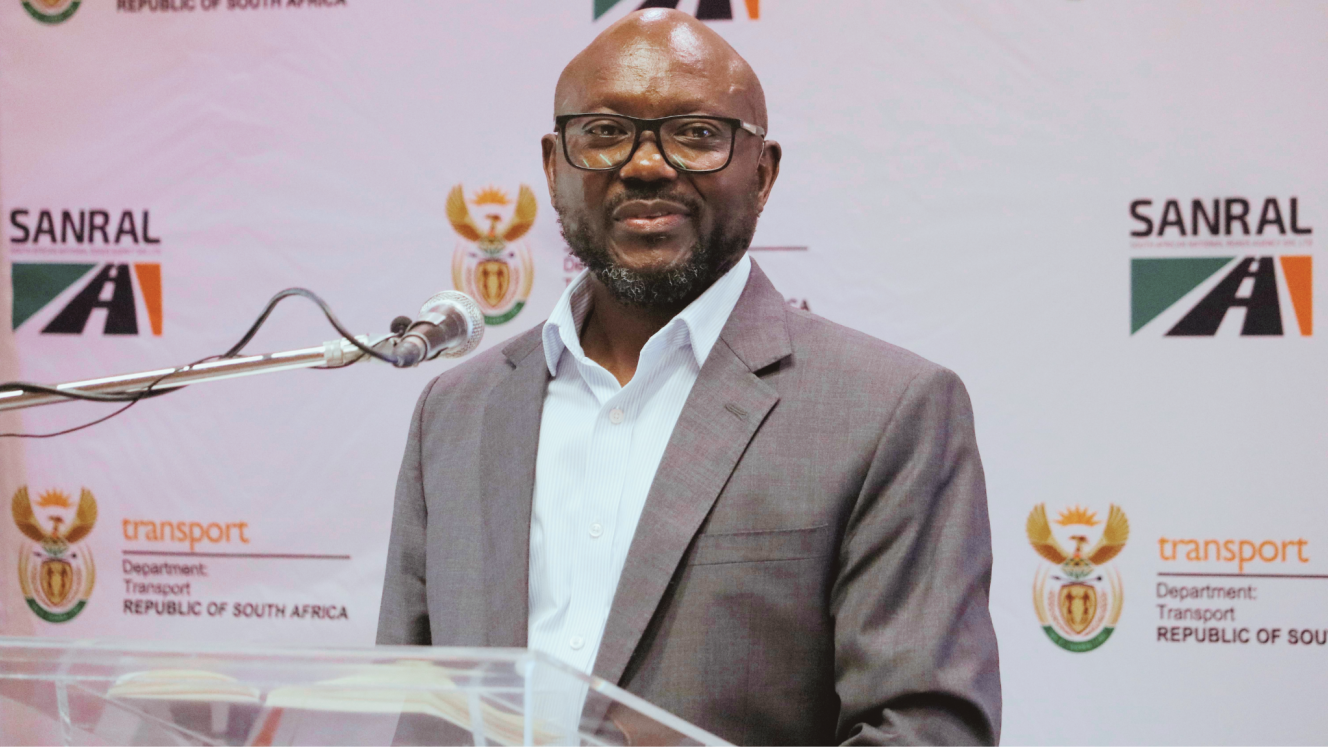
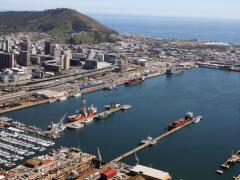
Jonathan Horn, managing director southern Africa, Maersk Line Visibility, predictability and automation – to enable planning of equipment, systems, capacity and infrastr ucture better than we do today. Direct, proactive engagement bet ween players in the supply chain where real value can be added or where exceptions occur, routine transa ction elements are fully automated. Jeremiah Naidoo, Transnetwork Logistics For the Zambian government to re-look at the road traffic act as the road compensation fees for super abnormal loads are ridiculous and this makes the road freight rate higher than a third of the transport costs. Jim Landers, Megafreight. Investment, investment … Investment in the infrastructure. ports, equipment. trains – we have seen many delays and problems which have hurt the South African economy and will result in the country being held back in the world trade arena. Jo-Ann Stevens, Namport Cross border improvements and standardisation of processes. Lawrie Bateman, director, MSC Logistics One document to move goods through southern Africa. Dirk Hoffmann, Safmarine southern Africa cluster manager To see more ports and container terminals, particularly those in Africa, privatised. The benefits of privatisation are hard to ignore. In countries such as Nigeria, where specialist port operators have been given the opportunity to operate the ports (while the country retains the port as a national asset), the benefits of privatisation have gone beyond improved port productivity and efficiencies to benefiting the economy as a whole by increasing employment and encouraging direct foreign investment, amongst others. Sue Moodley, managing director, Transport.com To have a free flowing port so that more ships can call, more containers can be discharged in a month, and as a result the economy would be boosted. Easy flow of trucks in the terminal would eliminate poor service levels to customers. It would also reduce fatigue in long-distance drivers, giving them a chance to rest for longer periods and as a result reduce the accident rate. Stephenson Ngubane, CEO Swaziland Railway ‘Regional rail integration is key’ The southern Africa rail industry needs governments’ commitment to rail issues and more public understanding about the value of rail. Regional rail integration is the most important issue moving forward – to have movement of rail freight that can go without interruption from country to country. This takes governments making commitments. Lance Pullan, GM, CSAV Group Agencies I wish for a truly paperless logistics chain in the future. Not only will this save countless tons of paper but it will also mean that the logistics chain has evolved to the point where the flow of information is seamless and there is a legal framework governing it. I am sure this will become a reality in the near future! Moses Maboi, managing director, Katlego Global Logistics A chain where there is an integration of resources allowing all service providers access so that there is no monopoly at the expense of smaller providers. Glenn Delve, marketing director, Mediterranean Shipping Company To have globally, a highly efficient landside infrastructure of road, rail and ports allowing vessels to berth and load immediately, alleviating the huge delays currently being experienced. Graham Leith Transcor Wish for the future – good roads, high bridges and less corruption. Hylton Gray, CEO Grindrod Logistics That rail potential is fully utilised. Bulk cargo should ideally be railed and not transported by road. Nicci van Niekerk, Group customs relations manager, FPT Reducing the dwell time of cargo in port terminals and throughout the logistics chain. Working collectively with cargo owners to ensure that cargo is only dispatched to the port once a shipping opportunity has been confirmed will ensure the flow of cargo in the supply chain and reduce unnecessary costs. Kate Stubbs, executive marketing, Barloworld Logistics Global visibility and total eff iciency of operations is my wish for supply chains in the future. The speed of change and volatility of the environments in which we operate make it extremely difficult to predict demand. Global visibility will enable companies, industries and countries to respond faster to change and integrated, synchronised supply chains will provide them with a platform to do so effectively and efficiently. Ron Frick, managing director, DAL Agency SA Privatisation please! I would like to see Transnet ports and railways allowing private participation as the dominance of a single operator of ports and rail by the state has made their services uncompetitive by global standards. Private participation would usher in commercial thinking and more efficient service delivery. CAPTION Photo: Shannon Van Zyl
Wish list for the FUTURE
Comments | 0
© Now Media. This content is protected by copyright and may not be adapted or republished. If you would like to discuss cooperation opportunities, please contact: editor@freightnews.co.za.