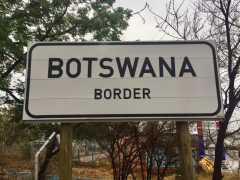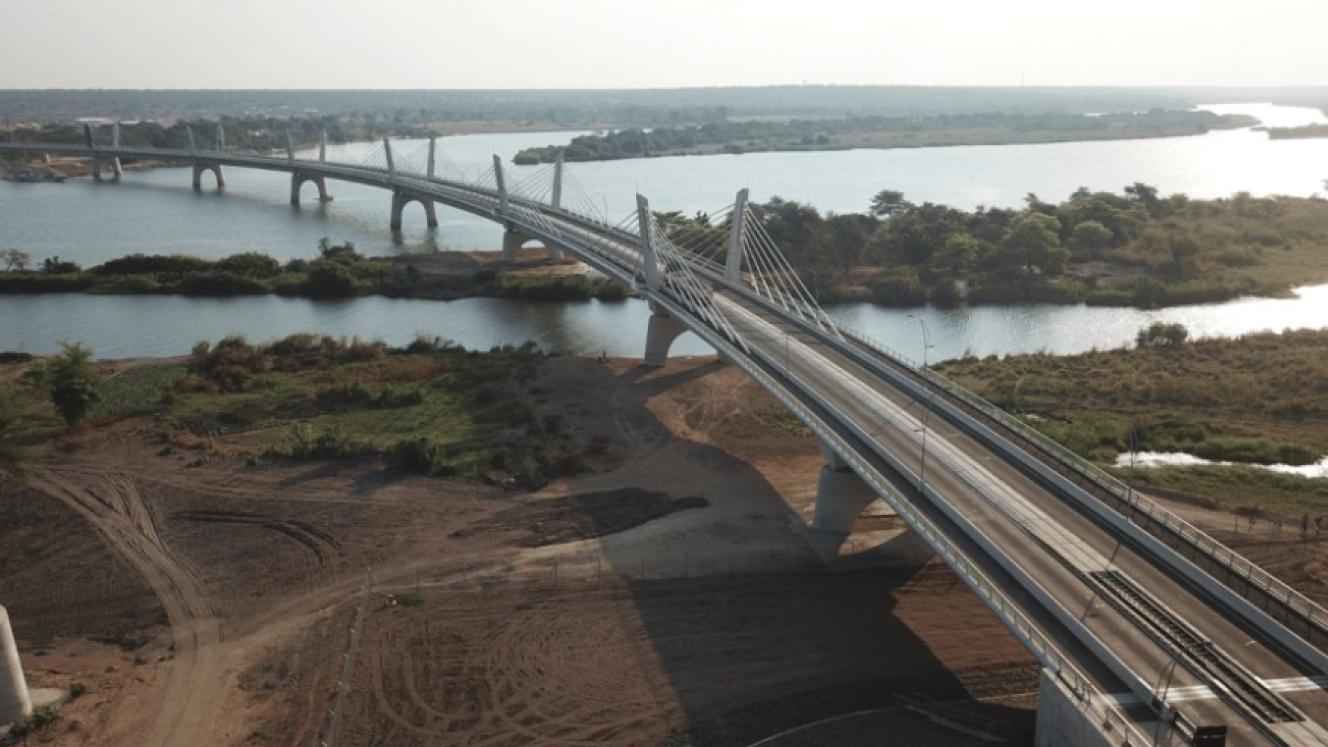
Trucks heading north through the Kazungula One-stop Border Post (OSBP) are taking up to a day to get their cargo cleared at the Zambezi crossing which, until recently, was one of the most free-flowing transits in the region.
Mike Fitzmaurice, chief executive of the Transit Assistance Bureau, said it had been about three weeks since slow processing at the OSBP had started affecting traffic.
The important link on the bypass route around Zimbabwe, used by operators trucking cargo between South Africa and the Copperbelt, has space for only 82 trucks on the Zambian side of the bridge.
“With more than 400 trucks arriving at the border every day, you soon run into issues if you can’t keep up with demand,” said Fitzmaurice, who also serves as sub-Saharan vice-president of the Union Africaine des Organisations des Transports et de la Logistique (UAOTL).
Apart from slow processing challenges experienced by authorities in Zambia, movement through the border is also held back by the inability of smaller clearing agents to afford T1 transit permits.
Because they can’t extend their bonds, authorities had to wait until bond capacity requirements were met, Fitzmaurice said.
He added that although Zambian authorities were looking at resolving slow processing delays, they could help clearing agents lacking the necessary funds to extend their bonds.
He stressed that it could take up to a day to get northbound cargo through the border.
Yesterday, a 7km queue was waiting to enter Zambia at the Kazungula crossing, while southbound traffic into Botswana was free flowing.
Delays at the OSBP are a major disadvantage for transporters who already detour around the straightest north-south line through Zimbabwe, mainly because of bad roads and non-tariff barriers.