Transnet National Ports Authority (TNPA) has commissioned a feasibility study to address surging at the Port of Cape Town. Options include moving the breakwater and the installation of several advanced systems on the quay.
According to Nozipho Mdawe, TNPA COO, this comes after an initial study by the Council for Scientific and Industrial Research (CSIR) advising the port authority to introduce surging interventions urgently.
“The Port of Cape Town has already initiated mooring line reconfigurations and will be looking into designing and installing a long waves forecasting system,” said Mdawe. “We are conducting a feasibility study with the CSIR on the possibility of installing hydraulic tensioning systems.”
Surging has been an ongoing concern at the port where heavy winds are a major problem. During the windy season between November and March the port can easily lose up to 150 hours a month due to high winds that bring cranes to a complete standstill. The port, however, has also seen increased levels of surging.
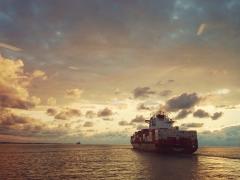
This happens in certain weather conditions when long swells in the port result in vessels rolling, heaving and surging alongside the quay while berthed, making it near impossible to service them efficiently or safely.
“We are investigating the possibility of moving the breakwater,” said Mdawe. “This could be a possible solution to the surging. It also means we will be able to turn vessels quicker. The bigger vessels coming in are finding it challenging to make the turns considering the current infrastructure we have. By moving the breakwater we are introducing a new element that not only addresses the climate challenge we have but also the bigger vessels.”