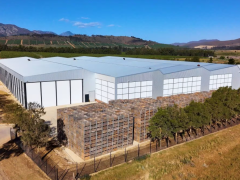
T he implementation of the latest version of Natis, along with other investments in technology, is helping to improve productivity in the port of Beira to the benefit of importers and exporters in Zimbabwe and other neighbouring countries, according to Miguel de Jenga, Cornelder de Mozambique (CdM) director: commercial. Using the technology CdM has been able to identify and eradicate bottlenecks through better planning, he says. As a result, the dwell time of imported containers has been reduced from nine days to one if all the correct documentation is in place. Security has also been upgraded through the appointment of a specialist port security company and the erection of new fencing around the port. “We are fully compliant with the (International Ship and Port Facility Security) ISPS Code, which is the global standard for port security. “Our objective is to offer a better service and to be more competitive than other ports in the region,” he says. Capital dredging of the channel will deepen it to 14 metres within the next eight to nine months, and there are plans to extend the container terminal by 2024. “By the end of this year we will be able to accommodate postPanamax vessels,” says De Jenga. Cornelder, which operates the port in a joint venture with the state rail and port company CFM, has committed itself to further investment in equipment should there be a sufficient business case. The flexibility of the port and its willingness to work with its clients was demonstrated in 2016 when it was notified by the governments of Zimbabwe and Malawi that it would need to handle more than 500 000 tons of drought relief maize in addition to the normal port volumes. With the existing grain silo being designed for 30 000 tons it was decided to convert a warehouse into a storage facility. Cornelder also invested in bulk materials handlers, tractors, bagging machines and trailers. A temporary 12 000-ton maize “bunker” was also constructed.
IMAGE