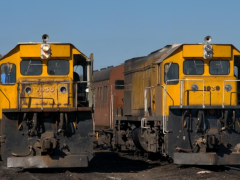
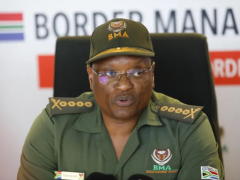
Corridor development is not a quick fix but a progressive journey with cumulative achievements over time, and if the current pace is sustained, the landscape of southern Africa’s trade corridors could look very different within the next five years. But, says transport corridor consultant Lovemore Bingandadi, this hinges on stable governments and a strong push and coordination from the SADC Secretariat. “It is no longer enough for two member states to upgrade a shared border post in isolation. All the countries linked along a corridor must implement reforms concurrently and in sync, until road, port, border posts and rail systems are fully aligned and meet the minimum standards required for efficient trade and transport.” According to Bingandadi, this begins with recognising that regional integration itself is a process – one that unfolds toward a shared end state but at different speeds for different countries. “Member states in the SADC face varying economic pressures, institutional capacities and political environments, which means they are not going to move at the same pace,” he told Freight News. “What binds them, however, are the frameworks that define the region’s transport architecture: the SADC Protocol on Transport, Communications and Meteorology and the SADC Protocol on Trade, both of which identify regional trade corridors as the primary channels for cross-border movement and economic integration.“ To address overlapping membership of Regional Economic Communities, the Tripartite of Comesa, EAC and SADC have negotiated tripartite instruments such as the Vehicle Load Management Agreement and the Multilateral Cross-Border Road Transport Agreement which are now the convergence instruments in trade and transport facilitation. He said these frameworks were reinforced by the SADC Corridor Development Strategy and the Regional Infrastructure Development Master Plan. The former adopted in 2009, mapped 18 regional corridors across the bloc. However, based on traffic flows and cargo volumes, eight of these have emerged as primary corridors – these are the North–South Corridor anchored on the Port of Durban, the Trans Kalahari, the Maputo Corridor, Beira, Nacala, Dar es Salaam (now incorporated into the Central Corridor), the Walvis Bay– Ndola–Lubumbashi Corridor, and the Lobito Corridor. “And the difference is showing: corridors with MoUs and established institutions are the ones demonstrating the fastest progress.” Asked which corridors were showing the strongest momentum, Bingandadi said the Lobito Corridor was worth watching closely. “There are strong commitments from member states, the private sector and international partners to continue developing this corridor. For the DRC and Zambia mineral belts, the Port of Lobito is the nearest port to global markets.” He said Mozambique was also moving quickly on its Maputo, Beira and Nacala corridors. “It is a country to keep one’s eye on, along with Lobito, which is going to set some important benchmarks, particularly in terms of private-sector investment in rail infrastructure. That rail revival will change corridor dynamics in the SADC. Whichever corridor revitalises its railway networks and performance first, will grab the bulk of regional trade. “Mozambique is poised for a major shift. We already have excess capacity in Nacala, which has 24/7 availability due to its depth and natural protection from the open sea. Expanding capacity in Maputo and Beira is on track and poised to grow further as dredging and other facilities are upgraded. In fact, regional transit traffic from Malawi, Zambia and the DRC that used to move through Beitbridge to Maputo or Durban has already shifted to the Beira and the Walvis Bay routes.” LV
Synchronisation key to streamlined border operations December 2025
Comments | 0
© Now Media. This content is protected by copyright and may not be adapted or republished. If you would like to discuss cooperation opportunities, please contact: editor@freightnews.co.za.