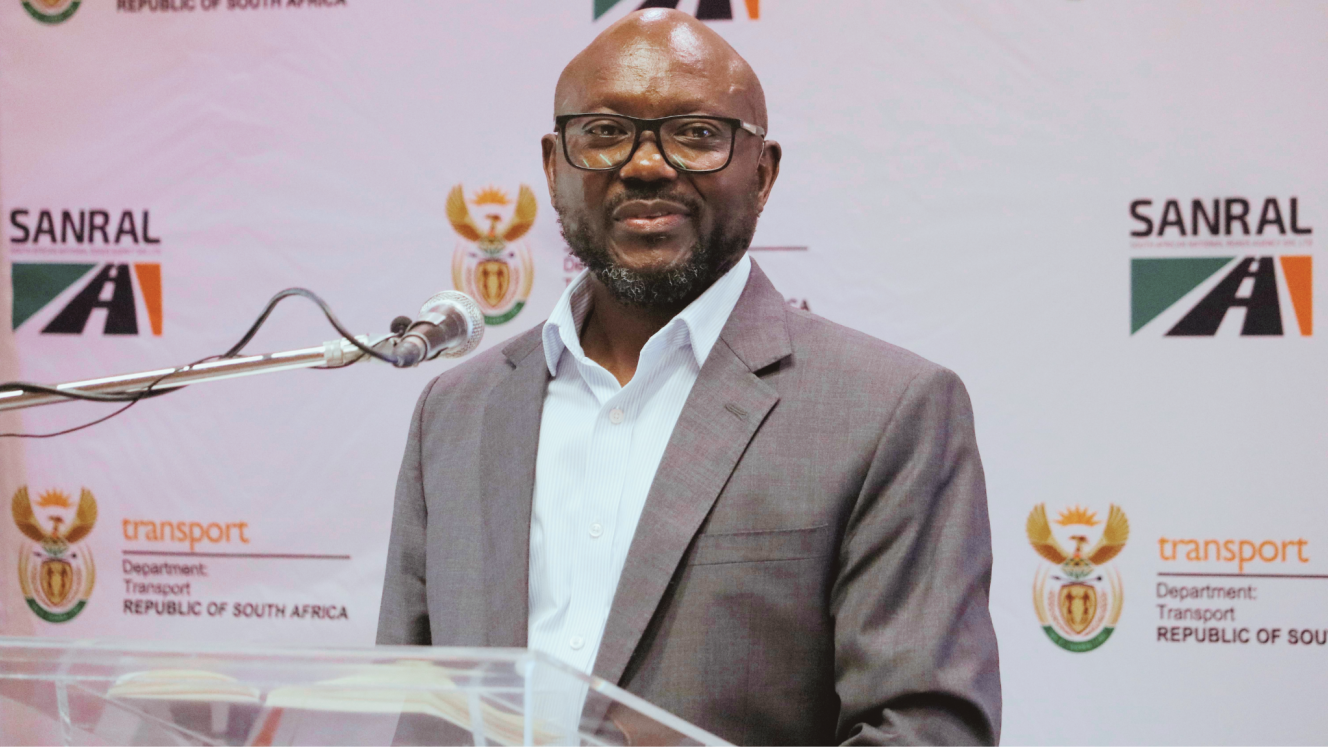
Swaziland’s government is in a financial bind this year and for the foreseeable future, as measured by the 2015 budget of R16 billion against a projected R14.6 billion in revenue. However, one way to enhance government income is to expedite customs procedures at the borders, said finance minister Martin Dlamini recently in his budget address to the Swazi parliament. “Government plans to review the Customs and Excise Act and accommodate a number of modernisation initiatives aimed at enhancing revenue collection and improving our Doing Business rank,” he said “I am pleased to observe that the Swaziland Revenue Authority (SRA) is introducing the accreditation of preferred traders. SRA will reward those taxpayers who have a proven record of tax compliance by issuing certificates of accreditation which grants faster treatment at our borders. Lessening delays in the declaration, clearance and release of goods, and the ability to prepay, will reduce the cost of doing business in Swaziland. Upgraded trade software, which allows electronic signature and documentation, will reduce barriers to trade,” he said. With over 60% of government revenue coming from Swaziland’s share of Sacu receipts, drastic measures, including new taxes, are required, Dlamini said. Sacu’s share to Swaziland declined by R560 million from R7.4 billion last year to R69.9 billion this year. “Sacu receipts are again expected to decline further in 2016/17, as Swaziland will be required to effect a sizeable repayment during 2016/17, as indicated by the Sacu secretariat,” said Dlamini. Revenue relief won’t come from South African buyers of Swazi exports. “South Africa is the destination for 63% of our exports. Growth will be sluggish at 2.3% in 2015,” said Dlamini. On a more positive note, the finance minister reported: “The VAT Refund Agreement between Swaziland and South Africa is ready. From the 1st of April 2015, residents simply declare the VAT of their purchases at any of our border posts and government receives the revenue from South Africa. This replaces the current arrangement where declaring residents are charged twice, and must retrieve refunds from South Africa, often months later. The projected additional revenue from anticipated increased declarations will be over R120 million per year, he said. INSERT & CAPTION Modernisation initiatives aim to enhance revenue collection. – Martin Dlamini
Swaziland plans to beef up border procedures
Comments | 0
© Now Media. This content is protected by copyright and may not be adapted or republished. If you would like to discuss cooperation opportunities, please contact: editor@freightnews.co.za.