Serious disruptor events have made the Suez Canal Authority (SCA) more resilient in the face of existential threats, SCA chairperson Osama Rabie has told 15th International Maritime Transport and Logistics Conference (Marlog).
The Covid-19 pandemic that wreaked havoc to global supply chains in 2020, the Ever Given ultra-large container vessel that got stuck in the Canal’s southern channel in March 2021, the start of Russia’s war in Ukraine in February 2022, and Houthi attacks on maritime traffic in the Red Sea since November 2023, had all severely compromised the waterway’s business, he said.
Speaking at Marlog in Cairo over the weekend, Rabie singled out risk in the Red Sea as one of the most destabilising impacts that the SCA had had to weather.
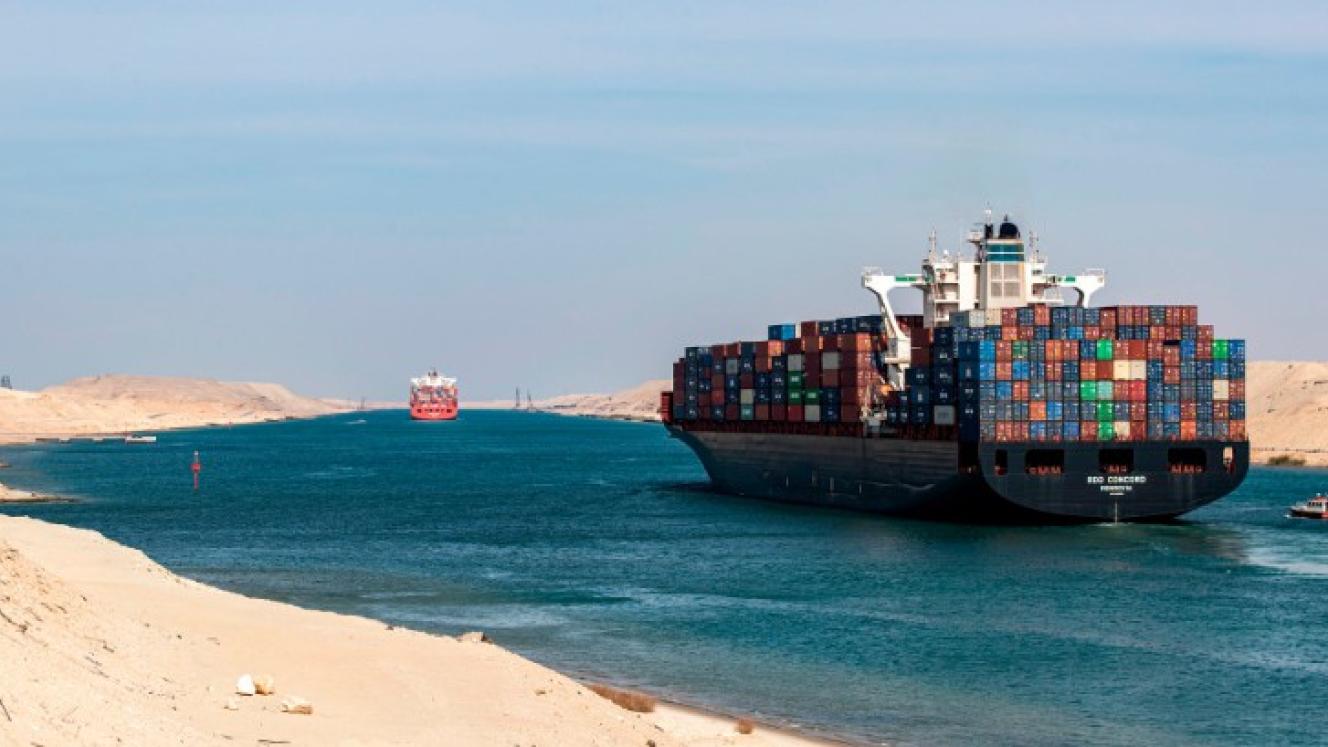
But the ceasefire between warring parties in Gaza, a direct cause of the Houthi military action in retaliation to Israel’s war on the Palestinian self-governing territory, has laid the foundation for a return of maritime traffic to the Suez since last year’s fourth quarter (Q4).
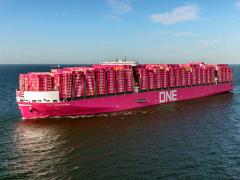
Despite initial hesitation by some lines to return to the Suez given remaining latent risk, and Xeneta sea intelligence’s chief analyst, Peter Sand, advising that re-establishing traffic through the waterway should be systematic, carrier eagerness for Suez sailings seems certain.
The return of vessel traffic to the Suez has risen 5.8% since Q4 last year, and net tonnage for the same period into January has increased by 16% year-on-year.
Revenues were up 18.5%, Rabie told MARLOG’s attendees and, since the start of the year, 1 315 ships loaded with 56 tonnes of net cargo had used the Suez for east-west voyages.
For the same Q4-January period, Suez revenues have increased from $368 million to $449 million.