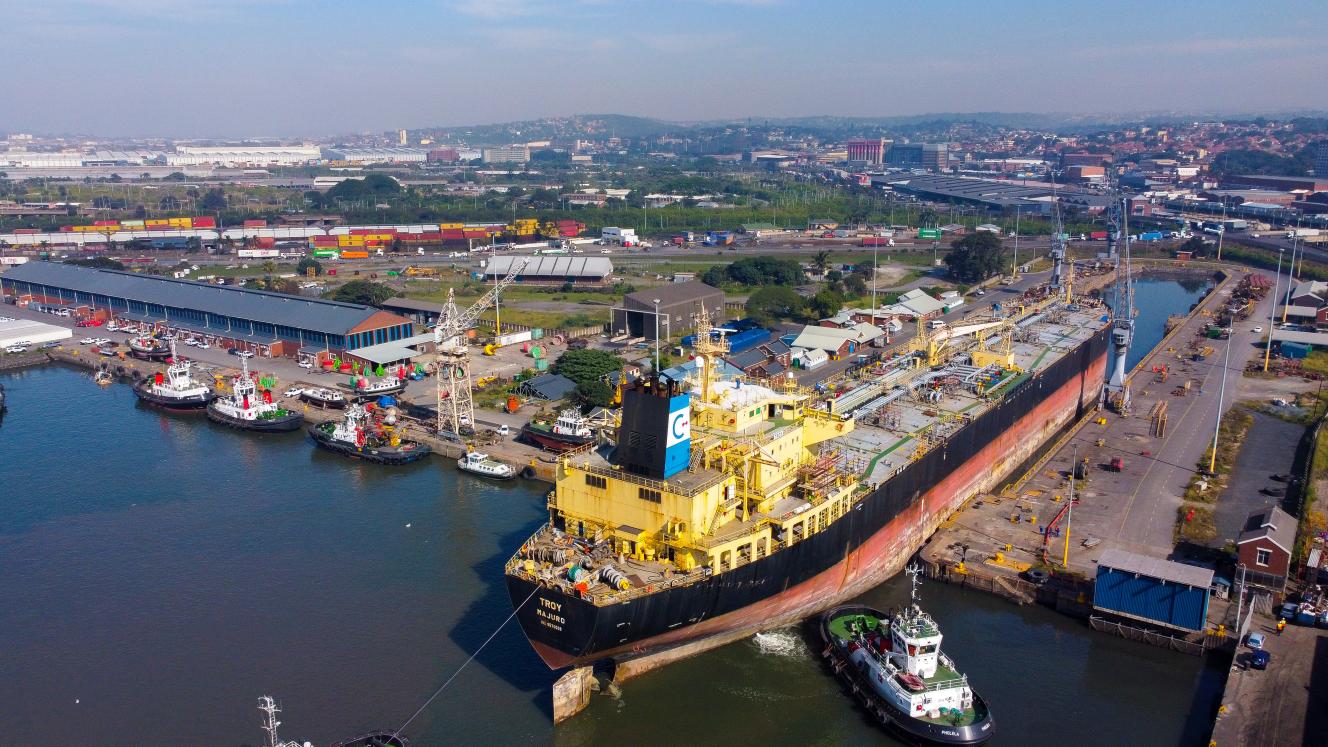
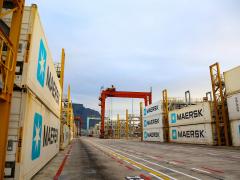
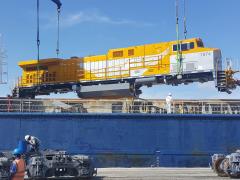
“We are open for business.” That was the message from Transnet Port Terminals CEO Karl Socikwa last week in his opening remarks at the start of the Africa Ports and Harbours conference in Johannesburg. “Words like privatisation and nationalisation tend to evoke a lot of emotion depending on what side of the line you stand – so for us it’s not about engaging in emotional and unproductive discussion but rather about finding collaborative solutions that are practically workable.” As Socikwa put meat on the bone of Transnet’s market demand strategy, he made it clear that in order to cater for the expected level of demand, Transnet could not do it alone. The traditional model where infrastructure was provided in isolation and a ‘take it or leave it’ attitude prevailed is over and the branding of the new strategy – which is based on market demand – says it all. “Our approach is to work in a very collaborative fashion with our customers and industry groupings in making sure that whatever we do will align with what our customers want. “Our customers are not just consumers of our services. They work together with us in co-creating the services. “We are collaborating with various customer groups as we roll out infrastructure – for example later this year we will be taking delivery of seven ship to shore cranes at the Durban terminal Pier 2. They’re the first of their kind on the African continent with capability of lifting four TEUs at a time. During this period we are taking out certain berths and redirecting the traffic to other terminals – and we are working very closely with our customers in terms of these changes and they have responded very positively,” he said. Part of that collaboration with customers, he added, means that they have to understand the challenges that TPT faces in being able to deliver . “And if we look at our customers – the manufacturing sector, the mining sector – we have to be alive to the problems they face. And while we confess that we don’t know it all, we want to work collaboratively with our business partners in shaping the future and ensuring that we make a meaningful impact on growing the economy.” Echoing recent comments by Public Enterprises minister Malusi Gigaba, Socikwa said that in terms of the development of the new dig-out port in Durban, he saw extensive private sector participation in collaboration with Transnet in the development of that harbour. “How that will take place will involve sitting down and discussing and debating the optimal way forward – and then rolling it out, but not in an emotive way.” So while Socikwa was short on the details of how private sector involvement would work – the message came through loud and clear. Innovative collaboration will be the order of the day as Transnet’s infrastructure overhaul gains momentum.
Socikwa sends a clear message on private sector participation
Comments | 0
© Now Media. This content is protected by copyright and may not be adapted or republished. If you would like to discuss cooperation opportunities, please contact: editor@freightnews.co.za.