Modern infrastructure alone will not unlock Africa's trade potential, with smarter border systems, digital integration and regional collaboration equally important for improving cross-border trade, according to the South African Association of Freight Forwarders (SAAFF).
The African Continental Free Trade Area (AfCFTA) was giving intra-Africa trade significant momentum, with trade expected to exceed R3.8 trillion this year, SAAFF said in a statement. By reducing trade friction, strengthening regional value chains and lowering settlement costs through the Pan-African Payment and Settlement System, AfCFTA was helping reshape trade across the continent.
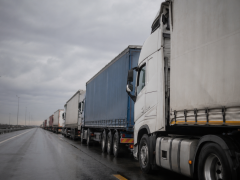
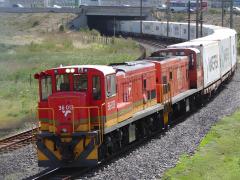
However, many African trade corridors remained inefficient, with border delays, duplicated processes and inconsistent customs procedures continuing to increase costs and reduce the competitiveness of regional supply chains, SAAFF said.
Border infrastructure only part of the solution
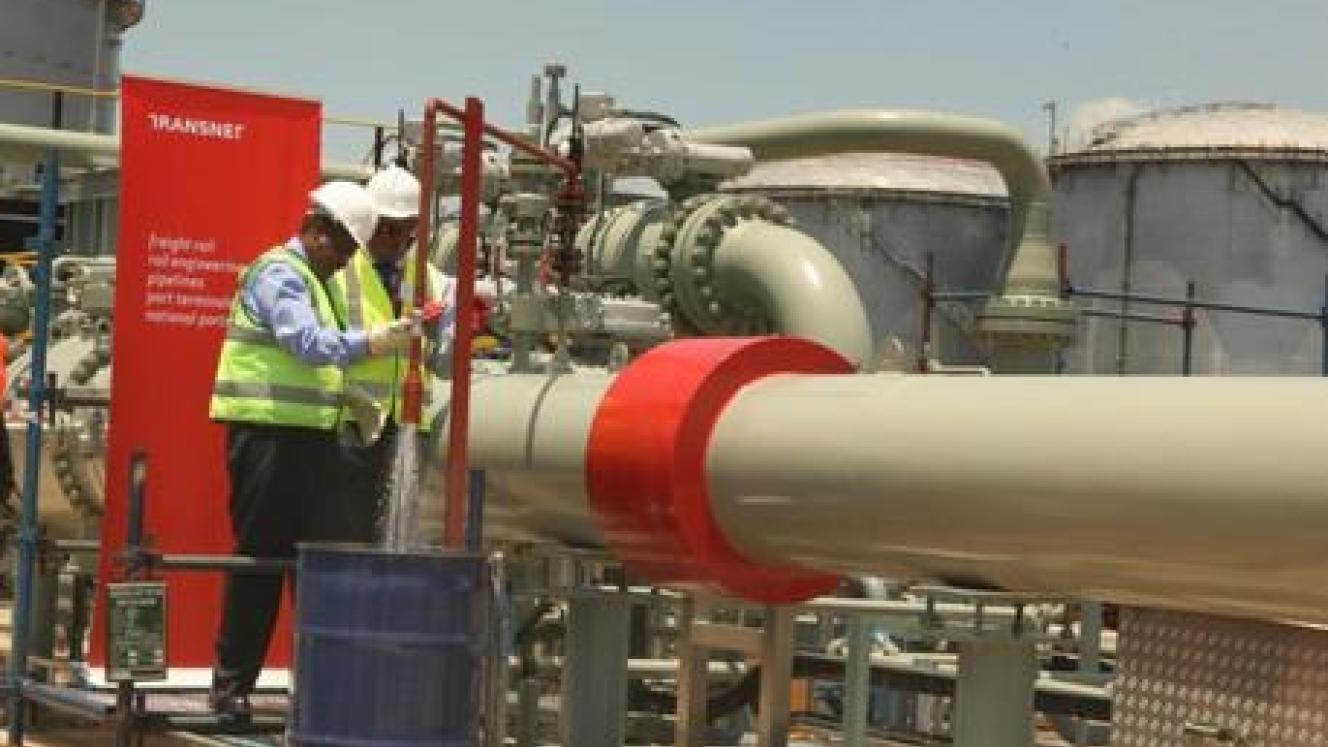
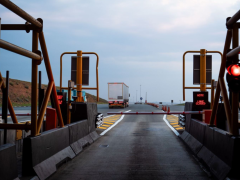
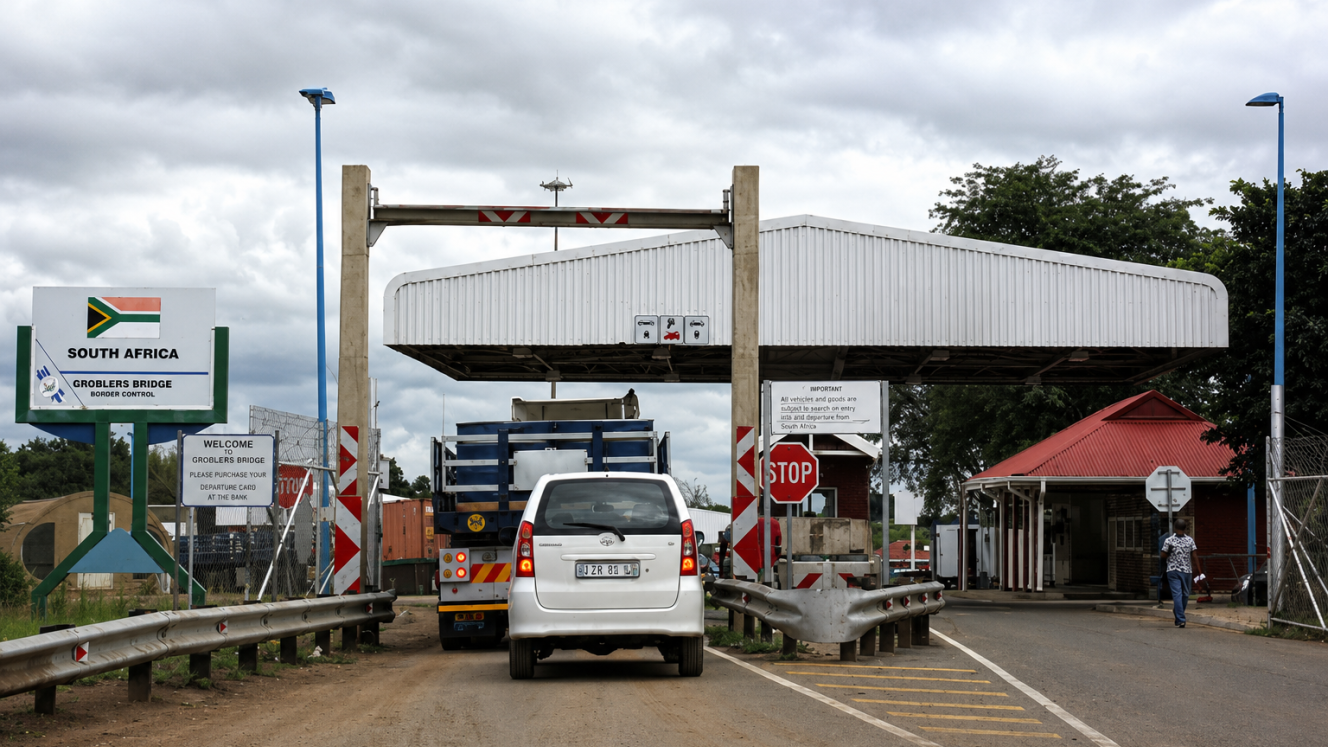
South Africa's R12.5 billion public-private partnership to modernise several major land border posts represents one of the country's most significant trade facilitation initiatives in decades, according to SAAFF executive responsible for the South African Revenue Service (SARS) and Other Government Agencies (OGA), Devlyn Naidoo.
The targeted border posts handled more than 80% of regional cross-border trade and passenger movement, making their modernisation essential to improve freight efficiency across Southern Africa, Naidoo said.
New infrastructure alone would not solve existing bottlenecks, said SAAFF. Industry was increasingly looking beyond new buildings and road upgrades towards smarter border management systems, including true One-Stop Border Post implementation, integrated digital processing between border agencies, improved freight lane management, intelligent risk profiling, enhanced inspection technology and better coordination between customs, immigration, agriculture and security authorities.
The real opportunity lay in integrating border agencies so that information flowed seamlessly across organisations instead of requiring repeated inspections and duplicated documentation, the association said.
Process reform remains the biggest challenge
Growing cooperation between the Border Management Authority (BMA) and SARS provides a positive example of this approach, according to SAAFF chief executive, Dr Juanita Maree.
The partnership enables both organisations to work together when inspecting high-risk cargo and verifying compliance without duplicating responsibilities. Rather than replacing one another, both agencies contributed their expertise to create a more coordinated and efficient border environment, said Maree.
Interoperability should be the real objective, according to SAAFF head of research and industry intelligence, Dr Jacob van Rensburg.
Instead of performing identical functions, agencies should ensure their systems, risk indicators and intervention protocols communicated effectively. From the perspective of importers and exporters, the goal should be a single, coordinated border process, regardless of how many government departments were involved, Van Rensburg said.
Inefficient processes, rather than infrastructure, continued to create unnecessary delays across African borders, international trade and customs, said consultant, Bruce Ellison.
Although digital customs systems already existed, many processes continued to run in parallel with manual procedures, creating duplication instead of efficiency. Ellison said the solution lay in digital processing, improved risk management and greater cooperation between neighbouring countries rather than simply expanding physical infrastructure.
SEZs and logistics infrastructure
Special Economic Zones (SEZs) also have an important role to play in improving regional trade, according to South African Freight and Logistics Association executive officer, Dave Logan.
AfCFTA implementation reports consistently identified transport, energy and logistics infrastructure, together with customs complexity and inconsistent regulations as major barriers to cross-border trade, said Logan. Well-designed SEZs can help overcome these challenges by combining logistics, customs services and industrial development within integrated trade hubs.
South Africa's experience with Special Economic Zones had produced mixed results, said SAAFF.
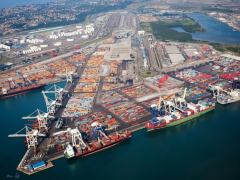
While the country's 12 SEZs have attracted more than R30 billion in investment, their full economic potential has yet to be realised, according to the association. The strongest-performing zones, including Coega, Dube TradePort and the Tshwane Automotive SEZ, share strong logistics connectivity, proximity to ports or transport corridors, clear industry focus and effective governance.
As AfCFTA continued to expand, South Africa had an opportunity to reposition its SEZs as regional logistics hubs that support African supply chains rather than serving only export markets, SAAFF said.
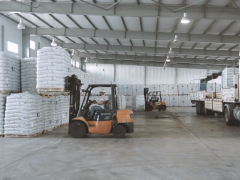
Modern logistics infrastructure was equally important to move cargo efficiently, the association said. Grade A warehouses increasingly require cold-chain capability, enhanced security, reliable back-up power, digital inventory management and end-to-end cargo traceability to meet growing customer expectations for compliance, visibility and supply-chain resilience.
One-Stop Border Posts deliver results
Integrated border management can significantly reduce delays, according to TradeMark Africa (TMA).
SAAFF said TMA had supported the development of 15 One-Stop Border Posts across East Africa, where surveyed border crossings had achieved an average 70% reduction in border crossing times. The improvements resulted not simply from new infrastructure, but from digital customs systems, interoperable technology, regional cooperation and harmonised standards between neighbouring countries.
Smarter processes alongside modern infrastructure would be essential to build faster, more competitive and more resilient African supply chains as AfCFTA continued to transform continental trade, said SAAFF.