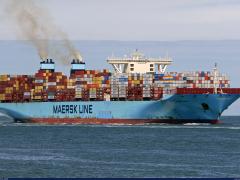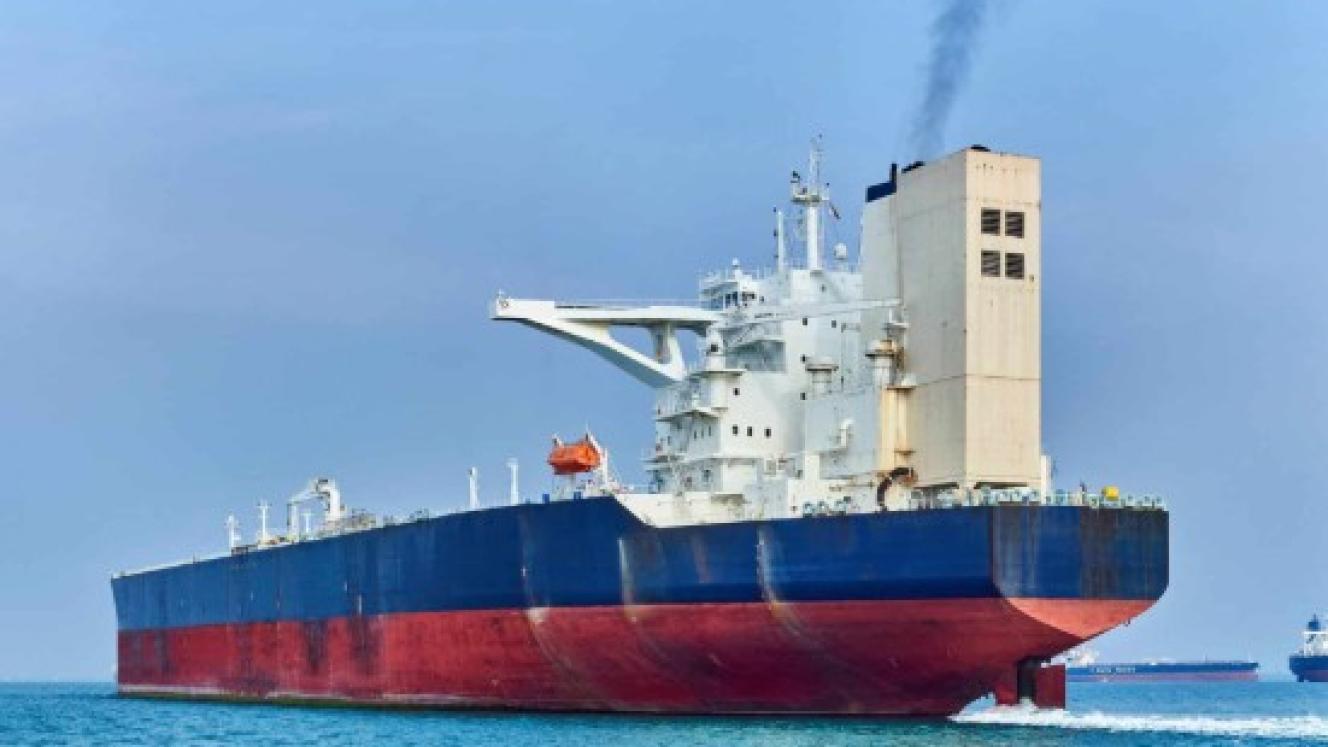
Retrofitting scrubbers on older vessels and newbuilds with exhaust gas cleaning capacity has increased to an all-time high of 42%, maritime intelligence platform Alphaliner reports.
But peer platform Safety4Sea reports that the “milestone masks a clear deceleration in adoption compared with earlier years”.
As of January 20, Alphaliner recorded 1 543 scrubber-equipped ships, representing 13.9 million TEU of global fleet capacity, equivalent to about 41.3% of current cellular capacity.
Dampened uptake for scrubber systems stripping sulphur oxide pollutants out of vessel emissions, Safety4Sea says, is the growing share of alternative-fuel shipbuildings, increasingly stringent environmental regulations and a renewed decline in the fuel price spread.
The latter favour low-sulphur fuels.
Adding context to its assessment, Safety4Sea says: “Previously, scrubber penetration rose rapidly, climbing from 20% to 40% of the total fleet in just four years between mid-2020 and mid-2024.”
But Alphaliner has highlighted that the pace of scrubber uptake, despite still being relatively high, has slowed in the face of mounting decarbonisation designs.
“Furthermore, in 2025, the price spread between heavy fuel oil and low-sulphur fuel fell for the third consecutive year, reducing the economic advantage of scrubber installations.
“In Rotterdam, the average delta declined to $56 per tonne in 2025, down from $79 per tonne in 2024 and $100 per tonne in 2023. This represents the lowest annual average since the IMO sulphur cap came into force in January 2020.”
Safety4Sea says that, in parallel to this, the “regulatory initiatives such as the EU’s FuelEU Maritime and Fit for 55 package are expected to further disadvantage scrubber-fitted vessels, as the additional energy consumption of scrubber systems increases overall emissions and associated compliance costs”.