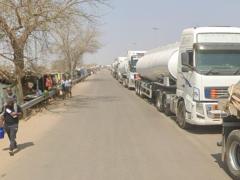
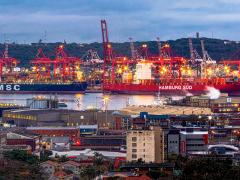
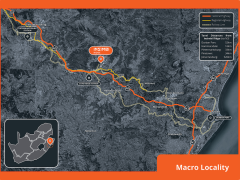
Tracking truck movements and cargo delivery while monitoring border bottlenecks and en route emergencies is becoming a crucial imperative for transport firms and shippers, who need real-time alerts of the movement of their cargo. Moving a fleet out of SA and through SADC countries, Pietermaritzburg-based logistics company Manline relies on satellite tracking to keep tabs on its fleet – with Botswana, Mozambique, Zimbabwe and Zambia its busiest routes. Manline’s satellite tracking system is manned by shift controllers and fleet trackers from the firm's Control Centre in its Pietermaritzburg head office. Data on the whereabouts of trucks and deliveries in SA’s neighbouring countries is received and disseminated from this crossborder facility. In SA, Manline’s depots are located in Isando, Van der Bjil, Germiston, Durban, Empangeni, Pietermaritzburg, Kokstad, Newcastle and East London The varied composition of the Manline fleet – flat-deck superlinks, tautliners bulk (tipper) trailers, tankers and smaller distribution vehicles – reflects the needs of customers whose cargo includes consumer goods, industrial inputs and products and agricultural goods. Regardless of their type, all vehicles are fitted with real-time satellite tracking and on-board computers. Fleet Trackers at the Control Centre monitor data movement to adjust routes and guide cargo more efficiently to its destination, while allowing greater vehicle productivity. The Control Centre team, fleet-tracking technology and flexible operational processes can lead to cost savings for its customers, says marketing co-ordinator Lauren Hughes. Manline developed its own software programme, MAX (for logistics Management and Execution) to provide 24/7 internet-based data to shippers who require real-time information on their cargo. “Customers receive status reports via SMS messages, fax, e-mail or secure web interface,” said Hughes.
Satellite tracking reassures into-Africa shippers
Comments | 0
© Now Media. This content is protected by copyright and may not be adapted or republished. If you would like to discuss cooperation opportunities, please contact: editor@freightnews.co.za.