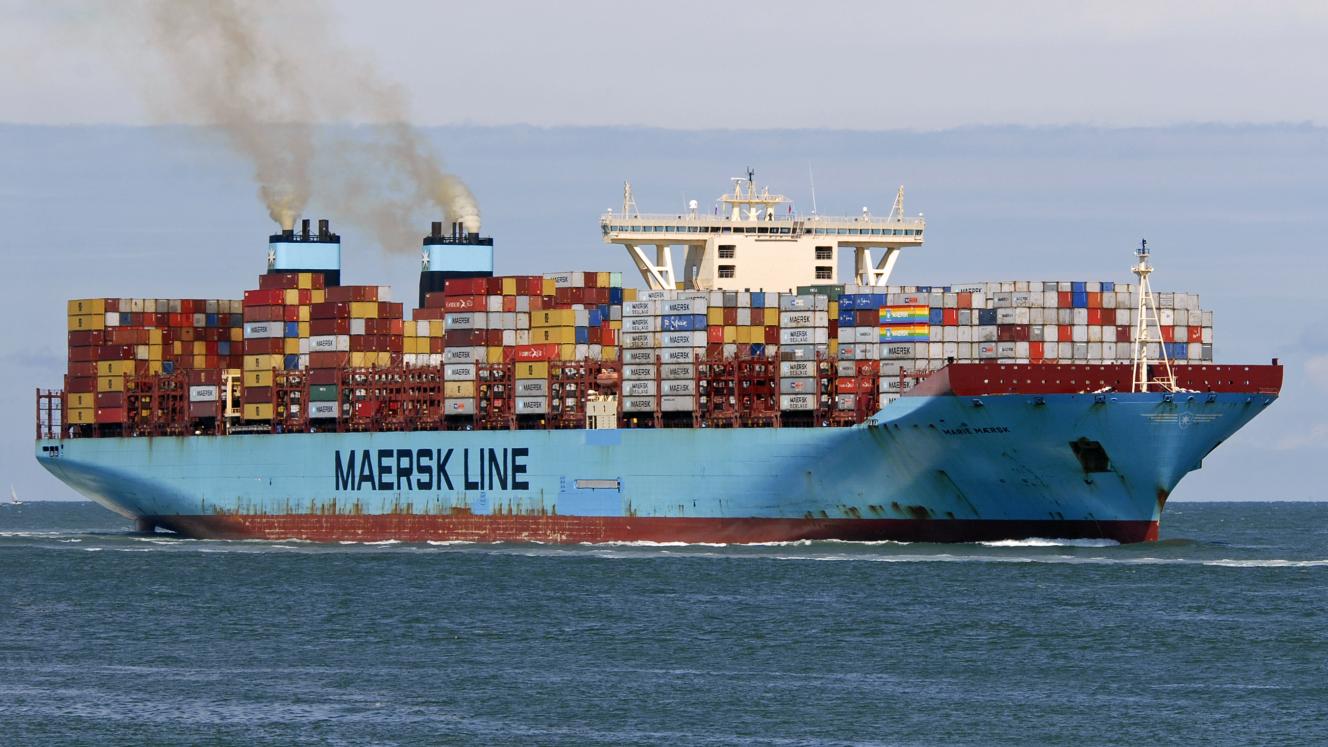
One area in which South Africa is improving its competitiveness is in its connectivity to the rest of the world through its ports. South Africa is ranked 29th globally by the United National Conference on Trade and Development’s (Unctad) Liner Shipping Connectivity Index (LSCI), which measures how well countries are connected to global shipping networks. The country’s score has improved from 23.13 in 2004 to 32.07 in 2009. The score rose by 3.58 between 2008 and 2009. Amongst the country’s neighbours, Namibia ranked highest at 69th, with its score improving by 7.33 points between 2004 and 2009. Mozambique is ranked 85th, with an improvement of 2.74 points between 2004 and 2009. Angola is 75th, with a growth of 1.64 points. According to the report, developing countries which have significantly improved their LSCI ranking since 2004 include Djibouti (following the development of a new container port under international operation), Republic of Korea (which has seen major port investments in Inchon and Pusan), Lebanon (benefiting from port reforms since 2006), Malaysia (strengthening its position by providing liner companies with dedicated container terminals as well as creating an emphasis on crane and vessel productivity), Morocco (moving up in the ranking since 2007 thanks to a new international transhipment facility in Tangier), Oman (with the opening of new container facilities) and the United Arab Emirates. China has the highest LSCI, followed by Hong Kong, Singapore, the Netherlands and the Republic of Korea. The 2009 results also reflect the impact of the economic crisis. Between July 2008 and July 2009, the number of ships, their total 20 foot equivalent unit (TEU) carrying capacity, the number of services and the number of companies have all decreased. Only the maximum vessel size has continued to increase as new and larger vessels are being delivered by the world’s shipyards. Many of these larger ships then replace smaller vessels, leading to a significant reduction in the average number of vessels per country. For the first time since Unctad has been recording the data, the average container-carrying capacity TEU assigned per country has fallen.
SA’s port connectivity ranks high
Comments | 0
© Now Media. This content is protected by copyright and may not be adapted or republished. If you would like to discuss cooperation opportunities, please contact: editor@freightnews.co.za.