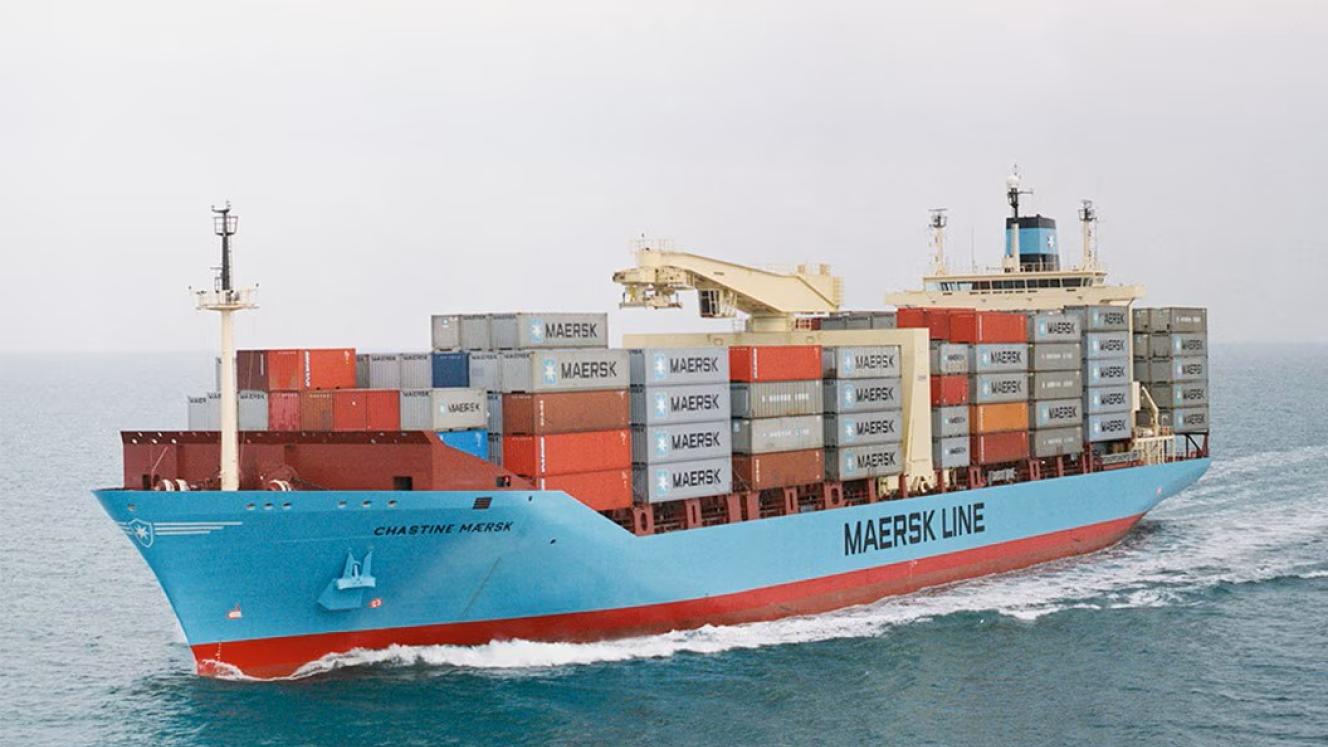
Most problems arise with consolidated cargo EFFORTS TO salvage the SAbound cargo from the wrecked container ship, MSC Napoli, are going ahead slowly but surely. This after the 275-metre long vessel of some 62 000-tonnes, and carrying containers from Europe to SA in January, suffered damage to her hull in severe gale force nine winds – and was deliberately grounded in Lyme Bay off the coast of Dorset in the UK. Since the incident, the salvors have already cleared all the containers stacked above deck and have removed 81 containers from the underdeck cargo – leaving about 970 containers still to be retrieved. And the news for SA cargo owners and insurance underwriters is somewhat better at this stage. According to Andrew Robinson, maritime specialist at Durban lawyers Deneys Reitz, the figures he had available to him showed that about 0% of the cargo in the 81-TEUs already recovered from the holds is salvageable. “This,” he told FTW, “because a lot of it was packed in such a way as to survive the elements – like drummed cargo – and other resistant products like steel plate.” But the bad news of the moment is that the main delays in re-shipping the salvaged cargo on to SA are being experienced by people with consolidated cargoes. The problem is that the consolidators have to deconsolidate the containers, assess the salvageability of the cargoes, and then reconsolidate the saved goods for onward movement to SA. It’s not only a clumsy sentence to say, according to Robinson, but a slowmoving procedure – with many of the consignments in consols uninsured, and cargo owners having to be traced and persuaded to pay the necessary salvage guarantee before the goods can be reshipped. But MSC is playing its part in making cargo details more available. “If the cargo was being shipped in an MSC container, and against an MSC bill of lading, cargo owners can track the location of their consignment on the shipping line’s website,” Robinson said.
Salvors clear above-deck Napoli cargo
Comments | 0
© Now Media. This content is protected by copyright and may not be adapted or republished. If you would like to discuss cooperation opportunities, please contact: editor@freightnews.co.za.