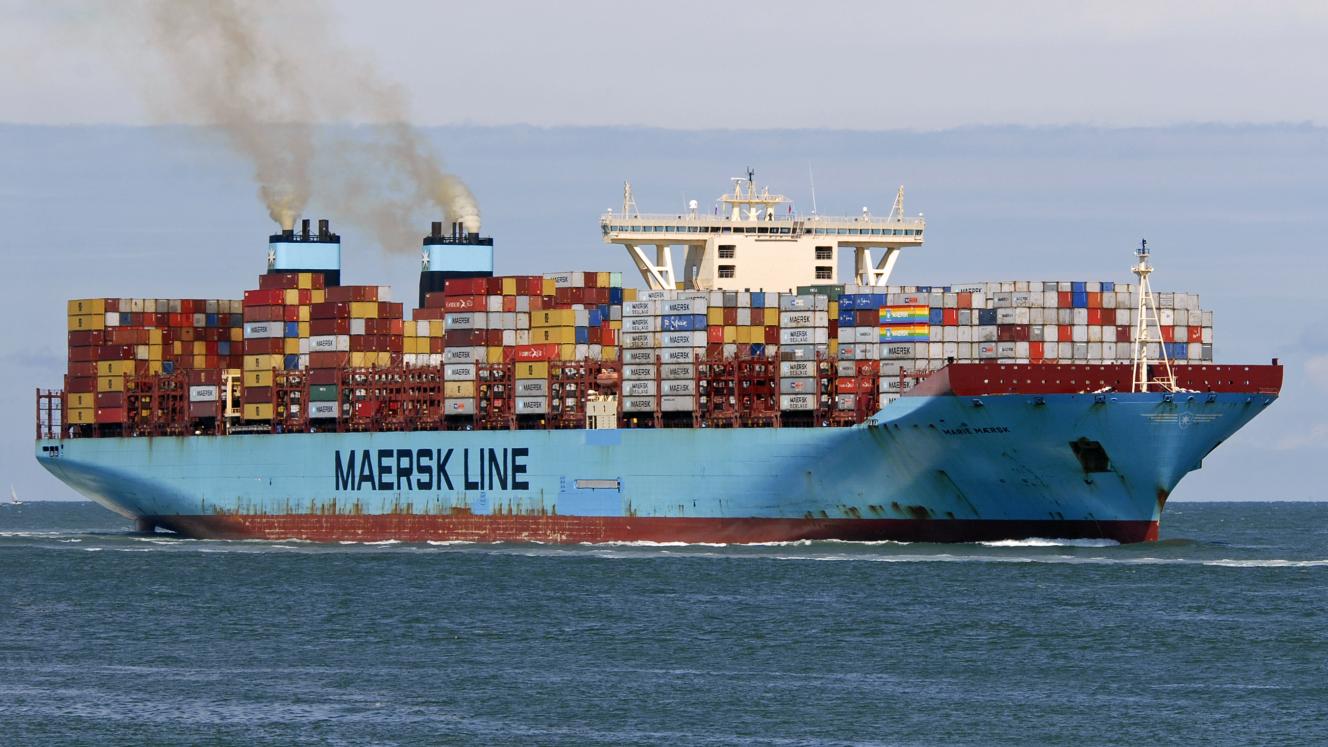
SA is unlikely to see any effects from this year’s expected El Nino weather phenomenon, according to an expert FTW source. The potential El Nino, which could wreak havoc on global crops – and has in the past disrupted shipping patterns and raised freight costs as shippers have often had to shift to longer-haul perishable sources – is unlikely to have any impact on the SA perishable export market, he added. This cyclical event – which has occurred every two to seven years and is associated with warmerthan- average years – has gained a reputation for bringing drought to the Asia-Pacific region and heavier-than-usual rains to South America. And, if you believe the Australian forecasters at the Bureau of Meteorology – who have usually been right in previous years – there’s at least a 70% chance of the event developing this year. The bureau’s climate models indicate that, while there has been a slowing in Pacific Ocean warming and some easing in the outlook, an El Nino can be expected to develop by spring, which begins in September. And the international press has already started reporting hard-luck stories from a number of important perishable producers and exporters. The Australians, as the world’s fourth-largest wheat exporter, have just cut their production forecast from a March estimate of 24.8 million tonnes to 24.6m tonnes, with forecasts of drier growing conditions. Similar drought conditions have headlined in India’s press, where its main source of irrigation, monsoon rainfall, is forecast by the India Meteorological Department to be below normal this year. Malaysia, the world’s second-largest producer/ exporter of palm oil has also been crying about lower rainfall, and predicting output being cut by up to 12%-15%. But, said our perishable shipping source, the climatic effects are confined to the Pacific Ocean regions, so no damage to local crop outputs will result from the movement of the El Nino weather front. And, he added, the historical experience gained by perishable shippers, buyers and the shipping industry is now so extensive that little impact can be expected there either. “The market forces and logistics are so well defined,” he told FTW, “that people will therefore find ways round it. It’s not as it was in periods of 20+ years ago.” He also pointed out that shipping lines had wellpractised alternatives to cover the loss of any affected sources of perishable cargoes. “I don’t think it will have a disastrous effect on the shipping link in the supply chain,” he said. Not that you can play it down. “But information moves so fast nowadays that people won’t be short on their shelves. There’s both a f lexibility of product and of the shipping industry.” He did feel, however, that El Nino could give Africa – including especially SA – alternative market opportunities. “But only if the Chilean, Peruvian and Brazilian people don’t react quickly enough,” he added. FTW has also been informed that the likes of the massive AP Moller shipping group have studied this matter in some depth, and that the major lines are all likely to have contingency plans devised, should this year’s El Nino have a significant effect on any perishable source markets. “The buyers too are equally prepared to move to alternative sources should El Nino hit their traditional Winter or Spring supply areas,” our expert concluded. INSERT Buyers are prepared to move to alternative sources should El Nino hit their traditional winter or spring supply areas.
SA ‘unlikely’ to suffer El Nino fall-out
Comments | 0
© Now Media. This content is protected by copyright and may not be adapted or republished. If you would like to discuss cooperation opportunities, please contact: editor@freightnews.co.za.