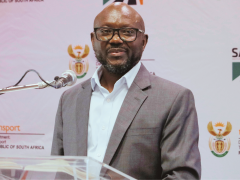
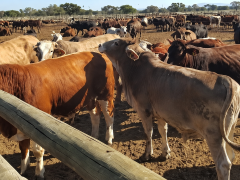
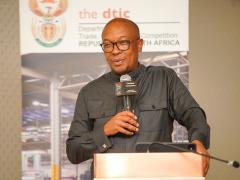
Over the past four years, South Africa’s road network has deteriorated, with 66% of the country’s gravel roads being classified according to world’s best practice as “poor” and “very poor” respectively. This was the bleak news delivered by CEO of the South African National Roads Agency (Sanral), Nazir Alli, at the Special Interest Group (SIG) Transport Forum last Thursday. He noted that the agricultural trade in particular was “very dependent” on gravel roads for goods movements. Paved roads were classified slightly better with just under 10% of roads classified in the two lowest categories – a major improvement on the 2008 figure of 19.8%. The global norm is 10%, according to Alli, who added that this picture could change for provincial gravel as well as national paved roads if further upgrade investments were not made. “And where will the money come from?” was Alli’s rhetorical question, pointing out that only 3 128 kilometres of the country’s 750 000 kilometres of road were tolled (less than 2%). He noted that this was low in comparison to global best practices. According to the World Bank, the average tolled network per country typically comprises less than 5% of the road network. Alli said that to close the R197.4-billion backlog in road upgrades in South Africa, the fuel levy would need to almost double, requiring an additional R2.15 per litre of fuel on top of the current R2.24. He further noted that simply sustaining the road network would require an additional R1.35 levy per litre. The R12 billion required to expand the capacity of the national road network over the next ten years would necessitate increasing the fuel levy by R0.65. “The bottom line is – there just isn’t sufficient capital to maintain the country’s roads,” said Alli. INSERT & CAPTION There just isn’t sufficient capital to maintain the country’s roads. – Nazir Alli
SA roads in dire straits
Comments | 0
© Now Media. This content is protected by copyright and may not be adapted or republished. If you would like to discuss cooperation opportunities, please contact: editor@freightnews.co.za.