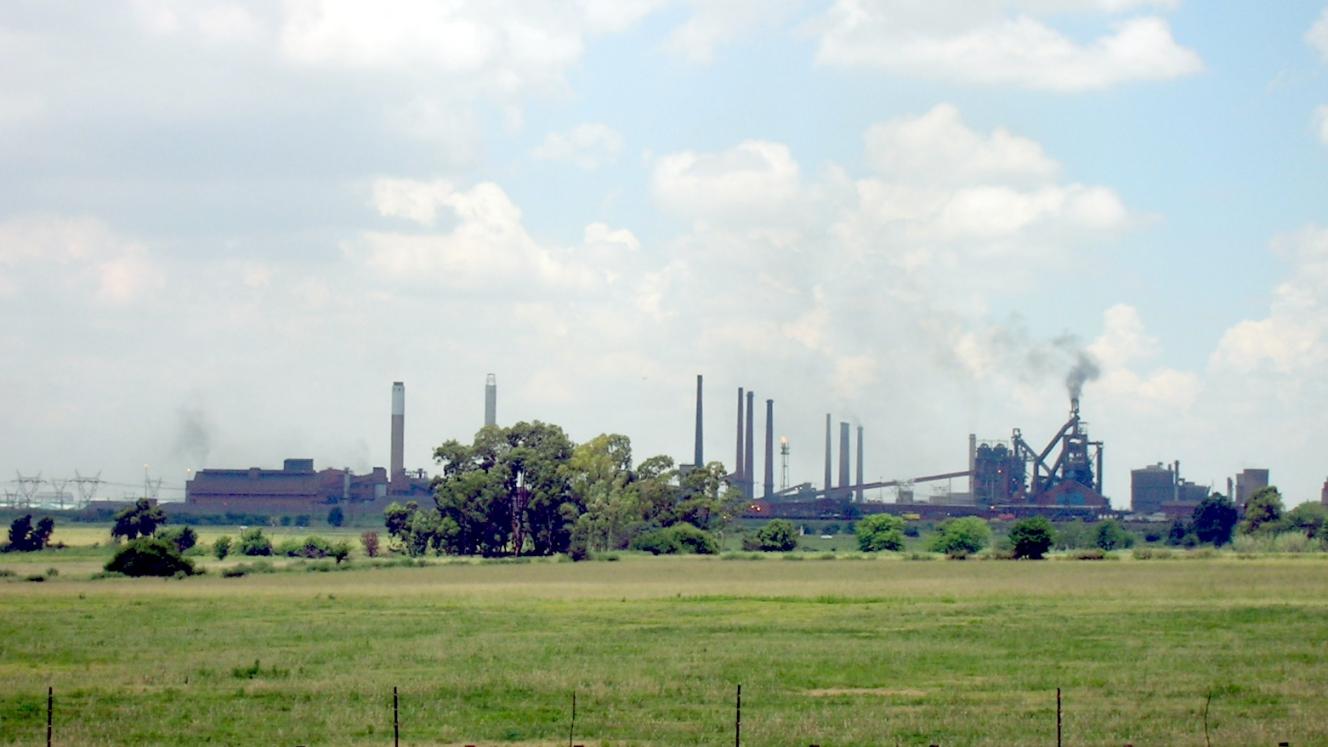
South African manufacturing production fell 4.3% year on year in May, dragged down by declines in food and beverages, metals and machinery, and wood and paper products.
Food and beverage production decreased by 6.4%, while basic iron and steel, non-ferrous metal products, metal products and machinery declined by 5.6%, preliminary data from Statistics South Africa (Stats SA) showed.
Production of wood and wood products, paper, publishing and printing fell by 11%.
Seasonally adjusted manufacturing production decreased by 1% in the three months ended May compared with the previous three months, with six of the ten manufacturing divisions recording declines.
The weakness in manufacturing output could weigh on economic growth in the second quarter, FNB senior economist Thanda Sithole said.
“While production rebounded modestly on a month-on-month basis after seasonal adjustments, the broader trend remains weak, with output over the three months to May pointing to a likely drag from the manufacturing sector on second-quarter GDP growth,” Sithole said.
Transport equipment sales rise
The motor vehicles, parts and accessories and other transport equipment division recorded stronger sales despite the broader manufacturing downturn.
Seasonally adjusted sales increased by 12.8% to R123.2 billion in the three months ended May compared with the previous three months, Stats SA data showed.
Production in the division increased by 3% month on month in May on a seasonally adjusted basis.
Production of bodies for motor vehicles, trailers and semi-trailers rose by 8.7%, motor vehicle production increased by 6.9% and other transport equipment output increased by 4.2%.
However, production of motor vehicle parts and accessories declined by 3.4%.
Despite the short-term recovery pockets, Sithole cautioned that factory operational constraints remained deeply rooted. Manufacturers continued to face elevated production costs, the effects of the recent Middle East conflict and persistent domestic infrastructure constraints, Sithole said.
“Looking ahead, the outlook remains challenging,” he said.