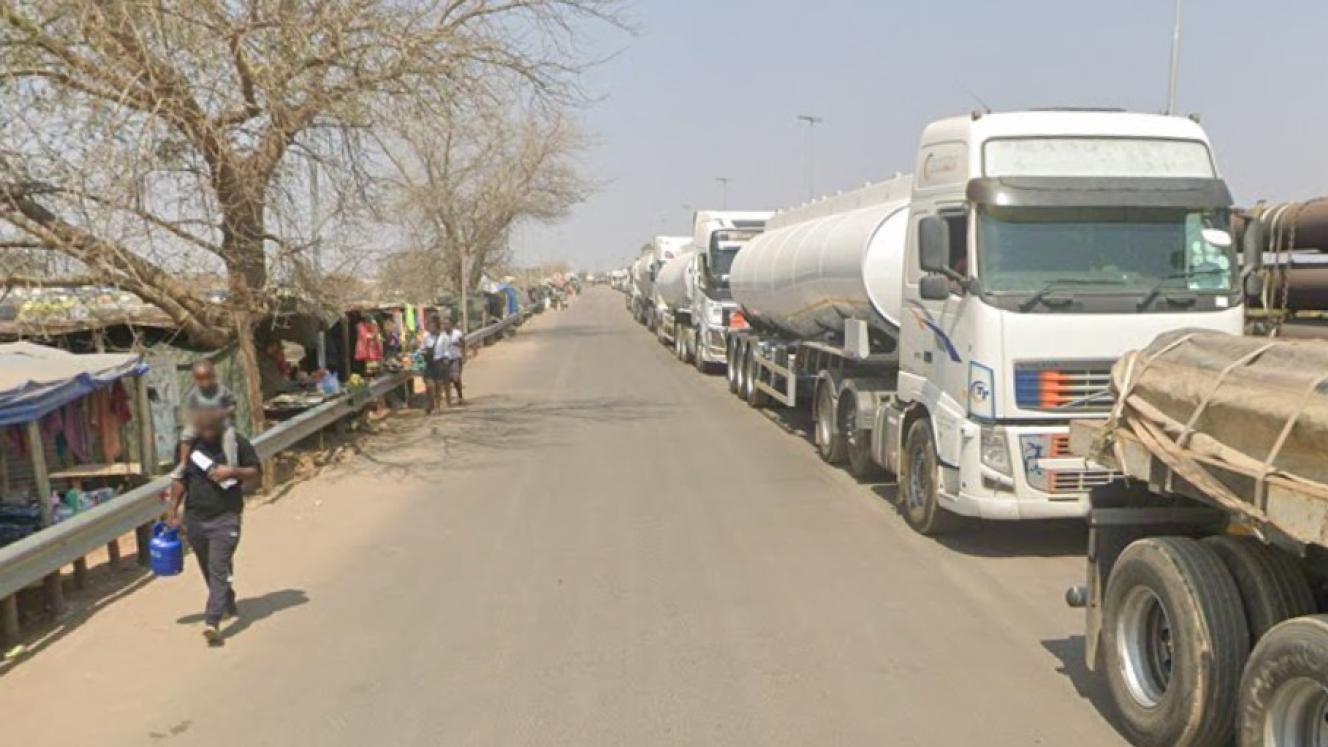
A study of regional integration of road and rail facilities is currently being conducted, designed to develop the corridors linking up SA with surrounding neighbouring states in the Southern African Development Community (SADC), according to Siyabonga Gama, CEO of Transnet Freight Rail (TFR). The initial steps on this programme, he told the recent African Renaissance conference in Durban, have specific areas of focus. These range from uni-gauge (1067mm), which provides flexibility for SADC rail growth as an existing interconnected system, to the restoration of rail infrastructure to agreed standards. The programme will also focus on axle loading, bridge and tunnel structures and the creation of ‘borderless’ corridors and minimum maintenance standards. But, Gama noted, there was a regional integration challenge – with a distinct regional imbalance existing at the present time. “Currently Africa trade flows are dominated by freight from landlocked SADC countries to SA ports,” he said. SADC countries’ over-reliance on single commodities for export is an additional problem as are low volumes of intra-regional freight conveyed for trade between SADC countries. Then there’s the problem of rail and ports infrastructure and skills development. The primary corridor of note in the study is the major intra-regional link between East and Southern Africa, the North-South Corridor – a key trading route in sub-Saharan Africa. This corridor extends from the Copperbelt in the Katanga Province in the DRC and northern Zambia to the port of Dar es Salaam in Tanzania to the north-east, and to the SA ports in the south. “With increased mining activity and growth in general trade along this strategic route,” said Gama, “infrastructure rehabilitation has become a matter of extreme urgency.”
Road/rail integration a key focus on North-South corridor
Comments | 0
© Now Media. This content is protected by copyright and may not be adapted or republished. If you would like to discuss cooperation opportunities, please contact: editor@freightnews.co.za.