Government has set 2029/30 logistics reform targets for rail volumes, port productivity, infrastructure investment and border efficiency, but road freight will remain central because it still moves 80%-84% of South Africa’s cargo.
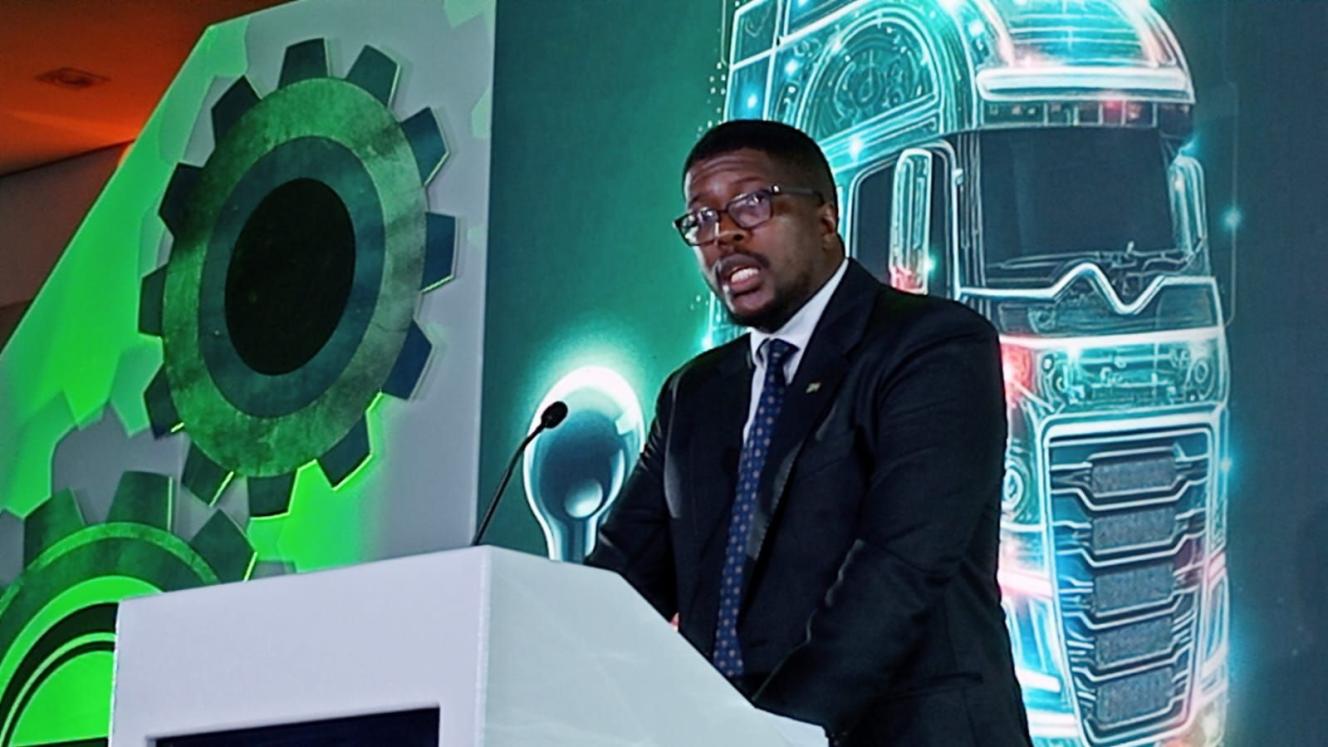
Deputy Minister of Transport, Mkhuleko Hlengwa, told delegates at the Road Freight Association (RFA) Convention 2026, which was held in Zimbali this weekend, that a thriving logistics network was critical to national success.
“We would all agree that an efficient and functioning transport sector that moves people and goods safely, speedily and affordably across the length and breadth of our country is the key to a successful economy,” Hlengwa said.
He acknowledged the severe operational constraints across the maritime, road and rail freight supply chain. “These bottlenecks have included the following, among others: a lack of rail capacity and efficiency, port congestion, customs clearance delays and border post delays,” he said.
Surging road cargo volumes are adding significant pressure to crucial transport networks. Around the Port of Durban alone, nearly 8 900 freight vehicles use main access roads daily, while heavy vehicles make up 34.7% of total traffic on sections of the N3 corridor.
Hlengwa said the National Logistics Crisis Committee was currently tackling cross-cutting issues, including locomotive failures, cable theft, power disruptions and port equipment breakdowns.
To address these hurdles, the department has established six medium-term targets for 2029/30. These include the Freight Road to Rail Migration Plan (FRMP), which aims to increase the volume of freight handled on the Transnet rail network to 250 million tonnes, and achieve the international standard of 30 gross crane moves per hour at ports.
R16.8 billion in public investment had already been approved through the Budget Facility for Infrastructure to invest in port and rail infrastructure, and applications for a further R23.6bn were currently being developed, Hlengwa said.
Private sector participation is also expanding, following the announcement of the first 11 private train operating companies aiming to move up to 24 million tons of freight per annum from April next year.
While the FRMP plan seeks to move long-haul bulk commodities to rail, the reform agenda cannot focus on rail alone. Road transport continued to move between 80% and 84% of South Africa’s cargo by tonnage, he said.
“Road freight flexibility and reliability remain crucial for maintaining fast factory production processes and e-commerce distribution, often outweighing the cost or capability benefits of rail, and on that basis, commit ourselves to ensuring effective last-mile development of infrastructure and operational services.”
The state is targeting road maintenance and congestion at border posts. This has included the SA National Roads Agency Limited (SANRAL) taking over provincial roads, and portions of municipal infrastructure grants being directed toward road maintenance to fix potholes and upgrade feeder roads, Hlengwa said.
“Since 2013, provincial governments have transferred 13 000 kilometres of provincial roads to SANRAL for management and maintenance. This is not a sustainable long-term strategy and will ultimately impact SANRAL’s ability to maintain the national road network without introducing widespread tolling.”
To resolve the gridlock at the Lebombo border post, where traffic has surged to 1 800 trucks daily, South African and Mozambican officials had co-located at the border and within the Kilometre 7 facility, successfully lowering processing times, he said.
However, Hlengwa stressed that the government could not successfully execute its logistics turnaround in isolation. “The department fully recognises that policy alone will not deliver reform. Partnership with industry and labour is essential,” Hlengwa said.