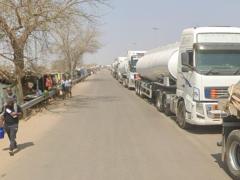
Traffic authorities agree that road and rail networks continue to be the backbone of the South African economy, and therefore it remains imperative that they are protected and preserved. Which makes stringent laws around the transportation of abnormal loads and heavy project cargo necessary. According to the Department of Transport the damage to roads caused by heavy-vehicle overloading runs into hundreds of millions of rand while safety of all road users must be guaranteed at all times. Gavin Kelly, technical and operations manager of the Road Freight Association, says legislation around the allowed travel time of especially large abnormal loads remains contentious. “The amount of work that is to be done and the amount of time open to operators to move goods from manufacturers and the ports to customers remains an issue.” Many of these vehicles are only allowed to travel in daylight and not in peak traffic time. Edna Mamonyane of the Johannesburg Metro Police says this is mainly because it is safer to travel in the day, while it also allows for well-rested drivers. “Drivers must rest to be able to function at their optimum level. They are responsible for heavy vehicles with valued cargo on board and already they cannot react quickly just due to the size of the vehicle. How much more of a danger if you have a tired person operating these vehicles?” Her advice to operators is not to take chances – either with their drivers or with the loads. “Overloading remains a problem for traffic officials and we are very strict in policing it. It is dangerous should the driver of the truck lose control, but also causes much damage to the infrastructure.” Kelly maintains that very few incidents occur where road users are unhappy with heavy load operators or even large project cargo. “Obviously one could not move this during peak hour traffic, but we are moving these large loads with the least amount of negative effect on standard traffic flows.”
Restricted hours for project loads remains a contentious issue
Comments | 0
© Now Media. This content is protected by copyright and may not be adapted or republished. If you would like to discuss cooperation opportunities, please contact: editor@freightnews.co.za.