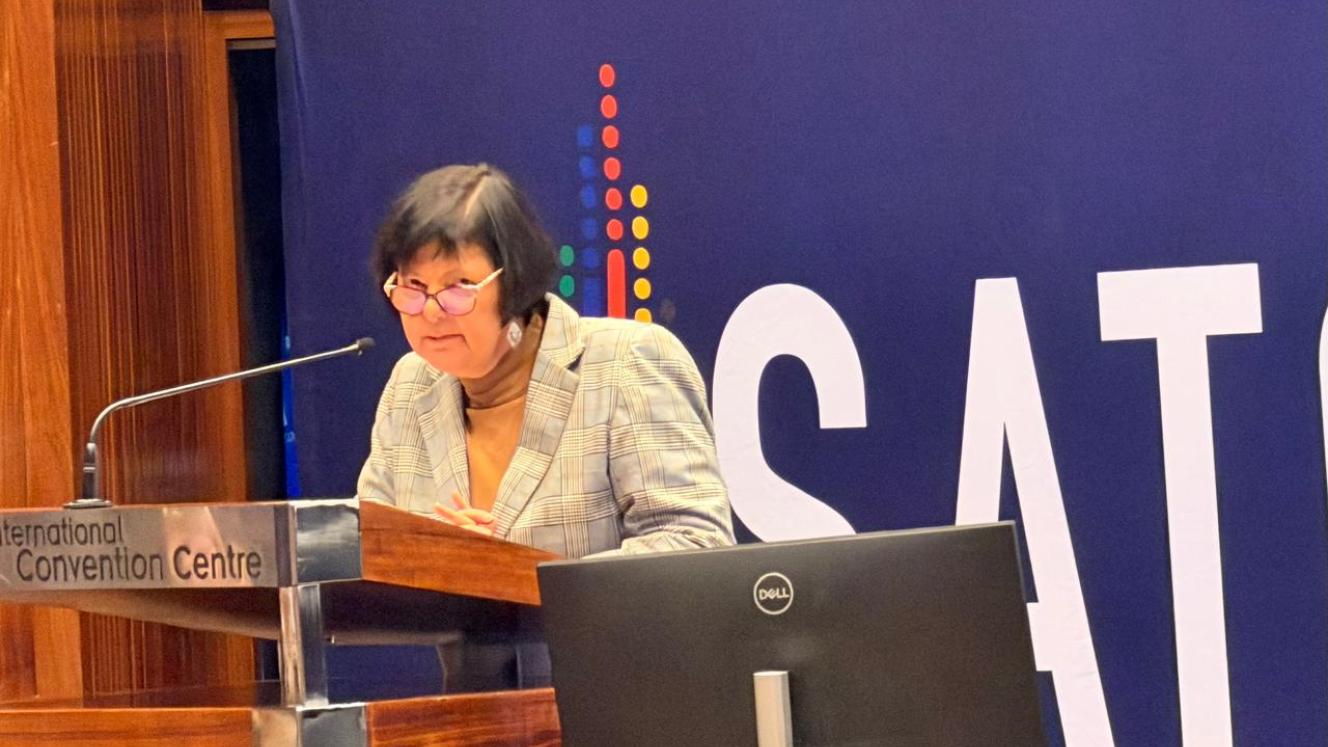
Three major freight private sector participation (PSP) projects would go to market during the current financial year as planned, with government's rail and port reform programme remaining on track, Transport Minister Barbara Creecy announced at the Southern African Transport Conference in Pretoria on Monday.
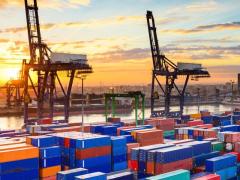
The projects cover the Ngqura Manganese Export Corridor, Richards Bay Dry Bulk Terminal and a container project, and form part of broader reforms to expand private sector participation in South Africa's freight rail and port system. Creecy said rail and port reform remained at the centre of government's transport agenda as it sought to rebuild the country's logistics system and improve competitiveness.
Government's private sector participation programme gained momentum in January 2025 when Transnet unveiled plans to concession selected rail corridors and port terminals to private operators as part of efforts to improve operational performance, attract investment and increase freight volumes. Read more in "Transnet reveals aggressive private sector ambitions."
In May this year, Creecy confirmed during her Budget Vote that the freight PSP projects remained central to government's logistics reform programme. At the time, she said a pipeline of projects was advancing alongside the approval of 11 private train operating companies (TOCs), with government targeting 250 million tonnes of freight on the Transnet rail network by 2030.
This week, Creecy reiterated that the 11 TOCs approved in March were expected to begin operating on the national rail network from April 2027. The operators would contribute towards government's target of moving 250 million tonnes of freight on the Transnet rail network by 2030, she said.
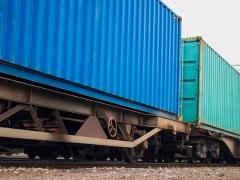
She said the rail reform programme, guided by the National Rail Policy and National Freight Logistics Roadmap, was intended to re-establish rail as the backbone of South Africa's freight logistics system.
"A strategic shift from road to rail is essential in our current local and global circumstances. Increased utilisation of rail transport enhances road safety, decreases congestion on our roads, reduces wear-and-tear of road surfaces, and, critically, is responsible for lower CO₂ emissions," Creecy said.