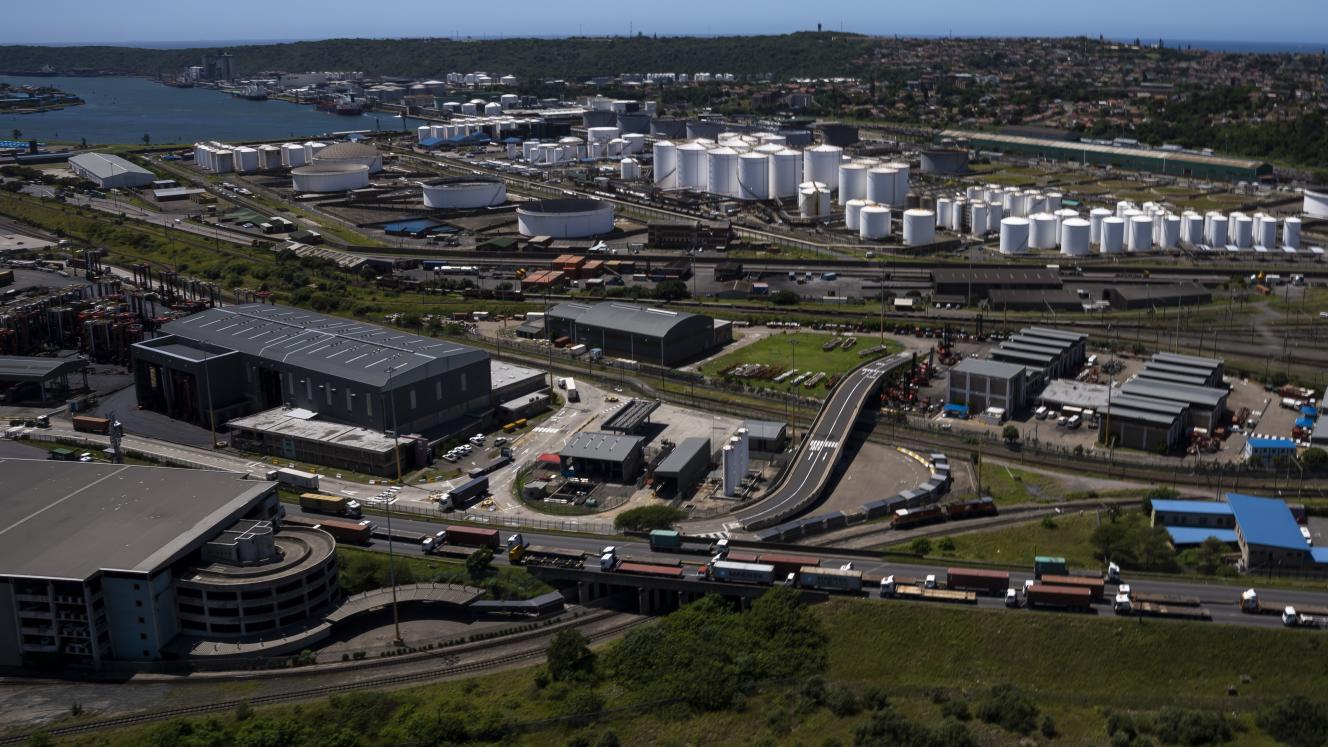
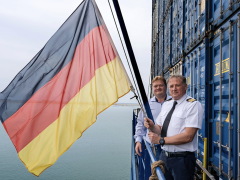
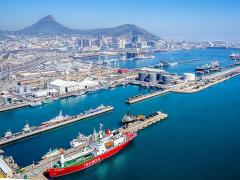
Fears over the impact of the massive refurbishment project at the Port of Durban have been allayed as contingency plans are proving to be successful. According to Roy Ramdiyal, regional manager for Safmarine in KwaZulu-Natal, Swaziland and Botswana, there were serious concerns over the loss of quay space at container terminals 1 and 2 where deepening and strengthening had to take place and what the impact would be on operations. “The plans put in place during the upgrades so far have been working very well and the effect of the renovations has not been as bad as was expected,” he said. “No doubt the lower container volumes over the first quarter of the year played a role in this, but the introduction of additional equipment, new straddle carriers and increased labour resourcing has assisted in improving productivity.” Efficiency at the Port of Durban, however, remains one of the greatest challenges. Due to its configuration and location, Pier 1 is a particularly high focus area. “It is the most susceptible to wind delays and congestion,” said Ramdiyal. “Regular meetings are held with the port management to understand the constraints and assist wherever possible to mitigate delays and congestion. An example of this is the recent discussions between the port, shipping line and the Citrus Growers’ Association regarding the improved productivity for export reefer containers that has resulted in the port deploying reach stackers to handle reefer containers at Pier 1.” Ramdiyal said it was essential that stakeholders in the port worked together to ensure productivity remained high as it was not only the responsibility of terminal and port operators. “Shipping lines also play an important role in keeping port congestion and delays to a minimum by ensuring they meet their berthing windows and provide the port with as accurate as possible time of arrivals and operational information to assist in planning.” He said in this regard Safmarine had deployed staff alongside its vessels, matching the port shifts, to assist and monitor the productivity for improved turntimes of their vessels. “Our customers can also assist in improving the port’s performance through better utilisation of the import free time and export stacking period ie, by also using the 1st and 2nd free stack days and accepting or delivering outside the usual office hours.” INSERT & CAPTION Our customers can also assist in improving the port’s performance through better utilisation of the import free time and export stacking period. – Roy Ramdiyal CAPTION Improving turnaround time … Safmarine has deployed staff alongside its vessels, matching the port shifts, to assist and monitor the productivity.
Port productivity - it's a team effort
Comments | 0
© Now Media. This content is protected by copyright and may not be adapted or republished. If you would like to discuss cooperation opportunities, please contact: editor@freightnews.co.za.