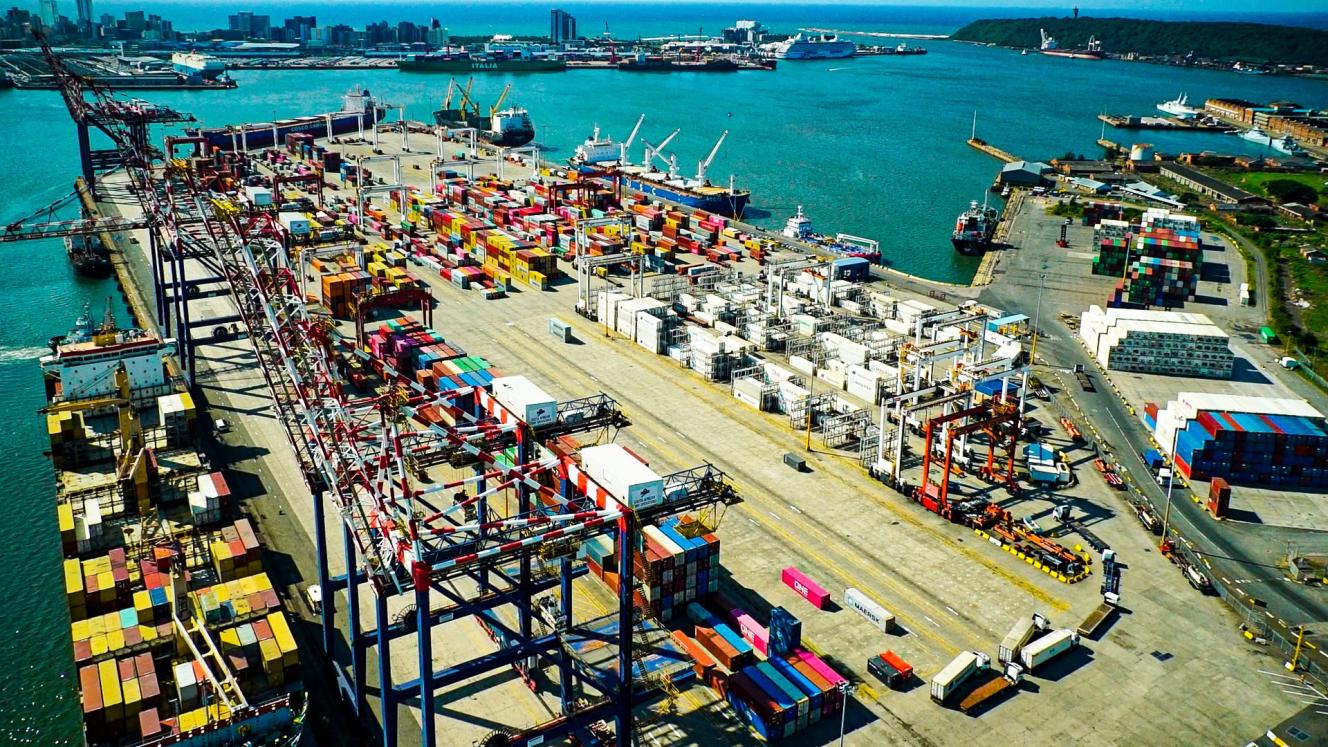
Contaminated and adulterated diesel raises the cost of transporting goods throughout much of Africa. Dirty fuels dumped in Africa reduce engine efficiency and accelerate wear. According to 2024 data from the European Fuel Manufacturers Association, oil companies were still exporting fuels with a sulphur content as high as 1 500 parts per million (ppm), far exceeding the European standards that are capped at 10 ppm. The shipping of dirty fuels to Africa not only contributes to air pollution and poses severe health risks to people but also violates two international environmental treaties: the Bamako Convention which bans the import of hazardous waste, including “all substances banned for health or environmental reasons in the country of manufacture” into Africa, and the Basel Convention, which prohibits the export of hazardous waste, as defined in the importing countries, according to the UN Environment Programme (Unep). Benelux countries committed in March 2025 to provide cleaner fuels. According to Unep, the Netherlands banned the export of “toxic fuels” through Dutch ports in 2023, followed by Belgium in 2024. In addition to increasing their carbon footprint, hauliers also have to use older-generation engines as the more efficient Euro 6 or Euro 7 versions will choke up as they require low-sulphur diesel (10 ppm), while African limits range from 50 ppm in Tunisia to 10 000 ppm in Congo (Brazzaville), according to GenSet HQ. High-sulphur content damages modern diesel engines, particulate filters and catalytic converters, leading to repair costs that can exceed 20-30% of fleet operating budgets. But progress is being made. The East Africa Community was the first sub-region in the African continent to transition to low-sulphur fuels in January 2015. The community consists of Burundi, the Democratic Republic of Congo, Kenya, Rwanda, South Sudan, Uganda and Tanzania. This transition resulted in the implementation of standards allowing a maximum sulphur content of 50 ppm in diesel. However, 10 ppm is not yet widely available despite the early successes. Another major problem facing hauliers is adulterated diesel, which is often mixed with paraffin. According to the South African Revenue Service (Sars), over the past decade, countries along the Maputo Corridor (South Africa, Swaziland and Mozambique) have become primary targets of the illicit fuel trade, which is driven by organised criminal networks that smuggle and illegally adulterate fuel. Importers declaring fuel amounting to 40 000 litres or less have been found to be moving up to 60 000 litres. Sars has also detected a national trend where many of the fuel-storage and distribution depots are involved in the adulteration of all fuel products, especially through illegal mixing of diesel with paraffin. Fuel adulteration costs the fiscus approximately R3.6 billion per year, according to statistics by the International Trade Administration Commission, Sars says in a statement. In some cases, adulterated diesel identified by Sars during a random testing exercise had up to 68% paraffin content. ER
Poor fuel quality drives up freight costs
Comments | 0
© Now Media. This content is protected by copyright and may not be adapted or republished. If you would like to discuss cooperation opportunities, please contact: editor@freightnews.co.za.